 Back
BackMicrobial Life: Prokaryotes and Protists – Structure, Diversity, and Evolution
Study Guide - Smart Notes
 Tailored notes based on your materials, expanded with key definitions, examples, and context.
Microbial Life: Prokaryotes and Protists
Introduction to Microbial Life
Microorganisms, including prokaryotes and protists, are abundant and play essential roles in both the environment and human health. Disruptions in our microbial communities can increase susceptibility to diseases and contribute to various health conditions.
Prokaryotes
Diversity and Ubiquity of Prokaryotes
Prokaryotes are single-celled organisms lacking a nucleus and are found in nearly every environment on Earth. Their collective biomass far exceeds that of eukaryotes, and they have a profound impact on ecosystems and human health. Prokaryotes are classified into two domains: Bacteria and Archaea.
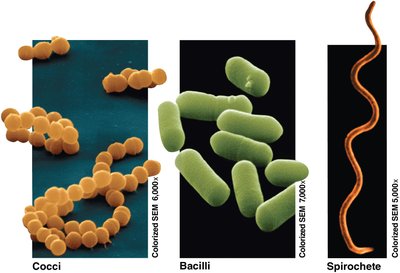
Prokaryotic Cell Shapes
Microscopic examination reveals three common shapes of prokaryotic cells, which are important for identification:
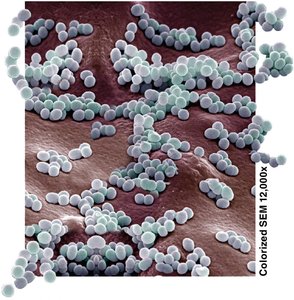
Cocci: Spherical cells
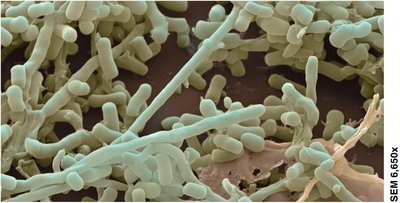
Bacilli: Rod-shaped cells
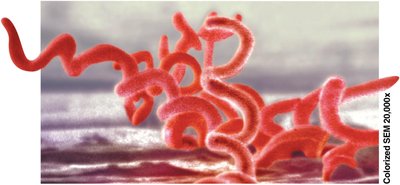
Spiral: Includes spirilla (short, rigid) and spirochetes (long, flexible)
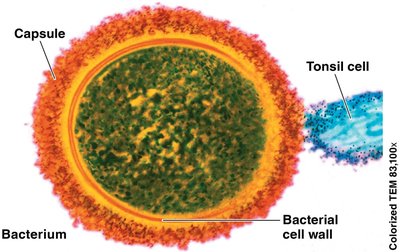
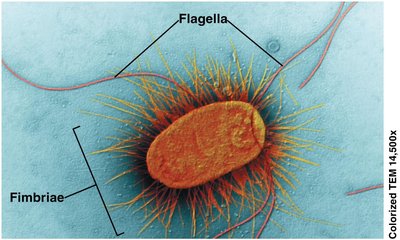
External Features of Prokaryotes
Prokaryotes possess several external structures that contribute to their success:
Cell Wall: Provides structural support and protection. Gram-positive bacteria have thick peptidoglycan layers, while gram-negative bacteria have thinner walls and an outer membrane.
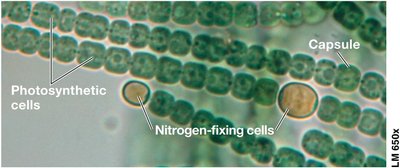
Capsule: A sticky layer that helps cells adhere to surfaces and evade the immune system.
Flagella: Used for movement.
Fimbriae: Hair-like projections for attachment to surfaces.
Genetic Material in Prokaryotes
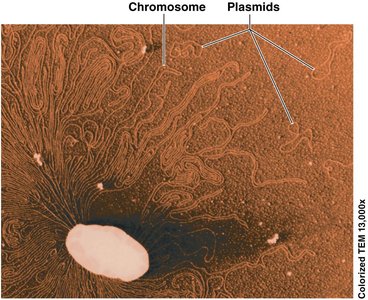
Prokaryotic cells contain a single, circular chromosome and may also have plasmids—small, independently replicating DNA molecules that often carry advantageous genes, such as antibiotic resistance.
Adaptation and Survival Mechanisms
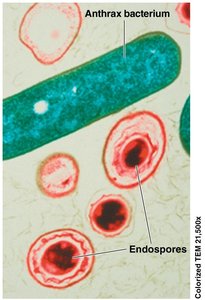
Prokaryotes can rapidly adapt to environmental changes due to their fast reproduction and genetic variation. Some form endospores, which are dormant, tough structures that allow survival in harsh conditions.
Nutritional Diversity in Prokaryotes
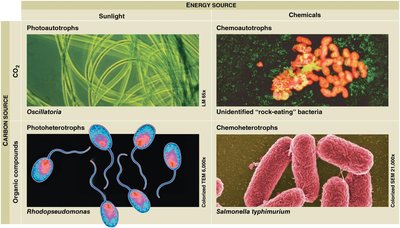
Prokaryotes display remarkable nutritional diversity, allowing them to thrive in diverse environments. They are classified by their energy and carbon sources:
Photoautotrophs: Use sunlight and CO2 (e.g., cyanobacteria)
Chemoautotrophs: Use inorganic chemicals and CO2
Photoheterotrophs: Use sunlight and organic compounds
Chemoheterotrophs: Use organic compounds for both energy and carbon
Nutritional Mode | Energy Source | Carbon Source |
|---|---|---|
Photoautotroph | Sunlight | CO2 |
Chemoautotroph | Inorganic chemicals | CO2 |
Photoheterotroph | Sunlight | Organic compounds |
Chemoheterotroph | Organic compounds | Organic compounds |
Biofilms
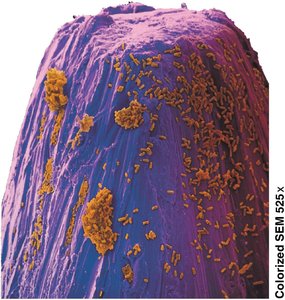
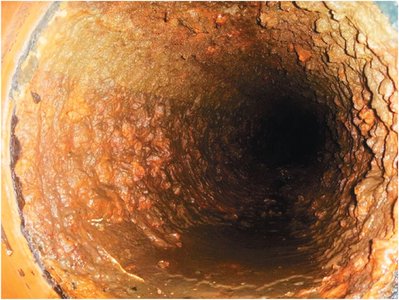
Prokaryotes can form biofilms, which are complex, surface-attached communities of microorganisms. Biofilms are highly organized and can be difficult to eradicate, causing medical and environmental problems.
Prokaryotes in Environmental Cleanup
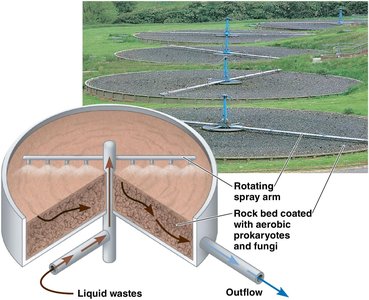
Bioremediation is the use of organisms, especially prokaryotes, to remove pollutants from the environment. Prokaryotes are used in sewage treatment and other waste management processes.
Domains of Prokaryotic Life: Bacteria and Archaea
Molecular genetics has revealed that prokaryotes are divided into two main domains: Bacteria and Archaea. Archaea are often more closely related to eukaryotes than to bacteria.
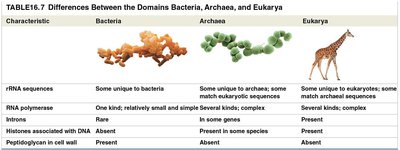
Key Differences Between Bacteria, Archaea, and Eukarya
Characteristic | Bacteria | Archaea | Eukarya |
|---|---|---|---|
rRNA sequences | Some unique to bacteria | Some unique to archaea; some match eukaryotic sequences | Some unique to eukaryotes; some match archaeal sequences |
RNA polymerase | One kind; relatively small and simple | Several kinds; complex | Several kinds; complex |
Introns | Rare | In some genes | Present |
Histones associated with DNA | Absent | Present in some species | Present |
Peptidoglycan in cell wall | Present | Absent | Absent |
Archaea: Life in Extreme Environments
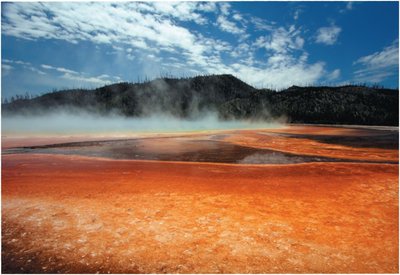
Archaea include organisms that thrive in extreme conditions:
Extreme halophiles: Salt lovers
Extreme thermophiles: Heat lovers
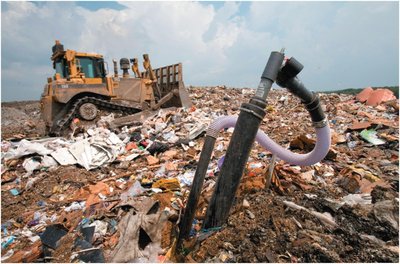
Methanogens: Thrive in anaerobic environments and produce methane
Bacterial Diversity
Bacteria are divided into several groups based on genetic sequences:
Proteobacteria: All gram-negative, diverse metabolism
Gram-positive bacteria: Thick cell walls, many are important in medicine
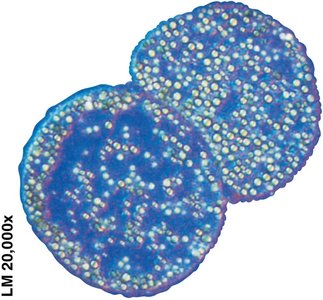
Cyanobacteria: Only prokaryotes with plant-like, oxygen-generating photosynthesis
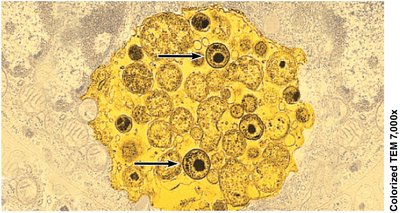
Chlamydias: Live inside eukaryotic host cells
Spirochetes: Spiral-shaped, some are pathogens
Pathogenic Bacteria
Some bacteria cause disease by producing toxins:
Exotoxins: Proteins secreted by bacteria
Endotoxins: Lipid components of the outer membrane of gram-negative bacteria, released upon cell death
Examples include Staphylococcus aureus (exotoxins) and Clostridium botulinum (botulinum toxin).
Protists
Diversity of Protists
Protists are mostly unicellular eukaryotes found in aquatic or moist environments. They can be:
Autotrophic (algae)
Heterotrophic (protozoans)
Mixotrophic (capable of both photosynthesis and heterotrophy)
Protist Supergroups
Protist diversity is organized into four supergroups:
SAR: Includes stramenopiles, alveolates, and rhizarians
Excavata: Includes organisms with an "excavated" feeding groove
Unikonta: Includes amoebozoans, fungi, and animals
Archaeplastida: Includes red algae, green algae, and land plants
SAR Supergroup
The SAR supergroup encompasses a wide range of protist diversity:
Stramenopila: Diatoms, brown algae, water molds
Alveolata: Dinoflagellates, ciliates, certain parasites
Rhizaria: Foraminiferans, radiolarians
Excavata
Members of Excavata often have modified mitochondria and include parasitic species such as Giardia and Trichomonas vaginalis, as well as mixotrophs like Euglena.
Unikonta
Unikonts include amoebozoans (amoebas, slime molds) and are closely related to fungi and animals.
Archaeplastida
Archaeplastida includes red algae, green algae, and land plants. Green algae can be unicellular, colonial, or multicellular, and many have complex life cycles involving alternation of generations.
Evolution of Multicellularity
Multicellularity evolved independently in several eukaryotic lineages, including brown algae, fungi, animals, red and green algae, and plants. This evolutionary step allowed for increased complexity and specialization of cells.
