 Back
Molecules and Fundamentals of Biology: High-Yield Study Notes
Study Guide - Smart Notes
 Tailored notes based on your materials, expanded with key definitions, examples, and context.
Molecules and Fundamentals of Biology
Biological Chemistry
Biological chemistry forms the foundation of all living systems, focusing on the structure and interactions of matter at the molecular level.
Matter: Anything that occupies space and has mass.
Element: A pure substance with specific properties that cannot be broken down further.
Atom: The smallest unit of an element retaining its chemical properties.
Molecule: Two or more atoms bonded together.
Intramolecular forces: Forces within a molecule (e.g., covalent bonds).
Intermolecular forces: Forces between molecules, affecting physical properties.
Monomers: Single molecules that can join to form polymers.
Polymers: Chains of monomers linked together.
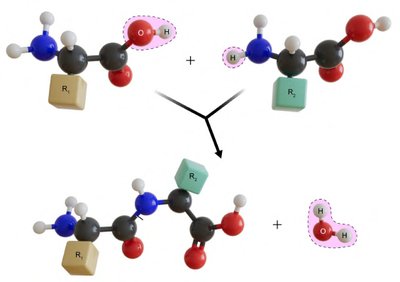
Dehydration (condensation) reaction: Joins monomers by removing water.
Hydrolysis: Breaks covalent bonds by adding water.
Carbohydrates
Carbohydrates serve as fuel and structural support, composed of carbon, hydrogen, and oxygen (CHO).
Monosaccharides: Simple sugars (e.g., ribose, glucose, fructose).
Disaccharides: Two monosaccharides joined by a glycosidic bond (e.g., sucrose, lactose, maltose).
Polysaccharides: Long chains of monosaccharides (e.g., starch, glycogen, cellulose, chitin).
Proteins
Proteins are essential macromolecules composed of amino acids (CHON) and perform a wide range of functions in cells.
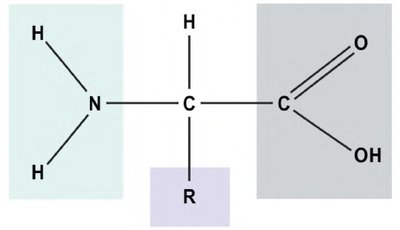
Amino acids: Monomers of proteins, each with a central carbon, amino group, carboxyl group, hydrogen, and unique R-group.
Peptide bonds: Covalent bonds formed by dehydration reactions between amino acids.
Polypeptides: Chains of amino acids.
Protein structure:
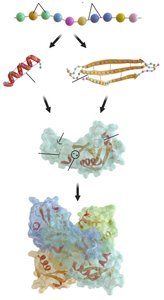
Primary: Sequence of amino acids.
Secondary: Hydrogen bonding forms α-helices and β-pleated sheets.
Tertiary: 3D folding due to R-group interactions (hydrophobic, disulfide, ionic, hydrogen bonds).
Quaternary: Multiple polypeptide chains assemble into one protein.
Denaturation: Loss of higher-order structure and function due to heat, pH, or chemicals; primary structure remains intact.
Protein Functions
Storage: Amino acid reserves.
Hormones: Signaling molecules.
Receptors: Cell membrane proteins for signal transduction.
Structure: Support tissues (e.g., collagen, keratin).
Immunity: Antibodies.
Enzymes: Catalyze biochemical reactions.
Enzymes and Catalysis
Enzymes are biological catalysts that speed up reactions by lowering activation energy without being consumed.
Active site: Region where substrate binds.
Induced fit theory: Active site molds to fit substrate upon binding.
Ribozyme: RNA molecule with catalytic activity.
Cofactor: Non-protein helper (coenzyme = organic, metal ions = inorganic).
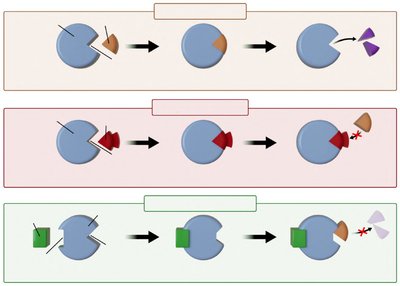
Enzyme regulation: Feedback inhibition, competitive and noncompetitive inhibition.
Enzyme Kinetics
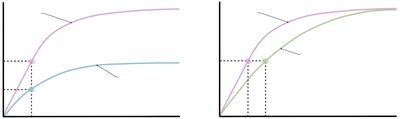
Vmax: Maximum reaction velocity.
KM: Substrate concentration at 1/2 Vmax.
Competitive inhibition: Increases KM, Vmax unchanged.
Noncompetitive inhibition: KM unchanged, Vmax decreases.
Lipids
Lipids are hydrophobic molecules with diverse functions, including energy storage, membrane structure, and signaling.
Triacylglycerol (triglyceride): Glycerol backbone + 3 fatty acids (ester linkages).
Saturated fatty acids: No double bonds, solid at room temperature.
Unsaturated fatty acids: One or more double bonds, liquid at room temperature.
Phospholipids: Glycerol + 2 fatty acids + phosphate group; amphipathic, form bilayers.
Cholesterol: Amphipathic, precursor to steroids, vitamin D, bile acids.
Lipoproteins: Transport lipids in blood.
Waxes, carotenoids, sphingolipids, glycolipids: Specialized lipid types with structural or signaling roles.
Nucleic Acids
Nucleic acids (DNA and RNA) store and transmit genetic information.
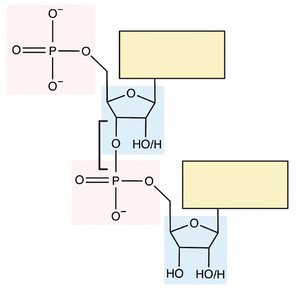
Nucleoside: Five-carbon sugar + nitrogenous base.
Nucleotide: Nucleoside + phosphate group.
Phosphodiester bonds: Link nucleotides in a chain (5' phosphate to 3' hydroxyl).
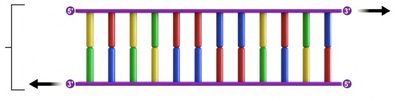
DNA: Double helix, antiparallel strands, deoxyribose sugar.
RNA: Single-stranded, ribose sugar.
Biological Hypotheses and Theories
Key theories explain the origin and evolution of life:
Primordial Earth: Reducing atmosphere, formation of organic molecules, protobionts, and first cells.
Miller-Urey experiment: Demonstrated abiotic synthesis of amino acids under early Earth conditions.
Modern cell theory: All life is cellular, cells arise from pre-existing cells, DNA stores genetic info, metabolism occurs in cells.
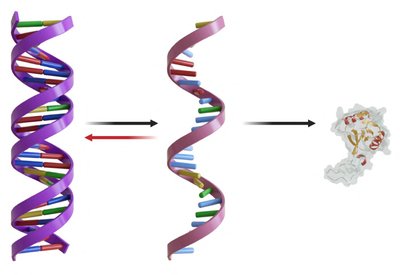
Central dogma: Information flows from DNA → RNA → protein.
RNA world hypothesis: Early life used RNA for genetic storage and catalysis.
Endosymbiotic theory: Eukaryotic organelles (mitochondria, chloroplasts) originated from engulfed prokaryotes.
Additional info:
Key biological prefixes, roots, and suffixes are essential for understanding terminology (see original notes for comprehensive table).
