 Back
BackMutations and Genetic Variation: Mechanisms, Effects, and Detection
Study Guide - Smart Notes
 Tailored notes based on your materials, expanded with key definitions, examples, and context.
Mutations and Genetic Variation
Definitions and Basic Concepts
Genetic variation refers to the genetic differences that exist among individuals in a population at a particular point in time. The genotype is the genetic makeup of a cell or organism, while the phenotype is an individual’s observable characteristics, such as height, eye color, weight, and color blindness. Mutations are any heritable changes in the genetic material, and they are a primary source of genetic variation.
Wild type: The typical form of a gene or organism as it occurs in nature.
Mutant strain: An organism or cell with a mutation differing from the wild type.
Effect of Genotype on Phenotype
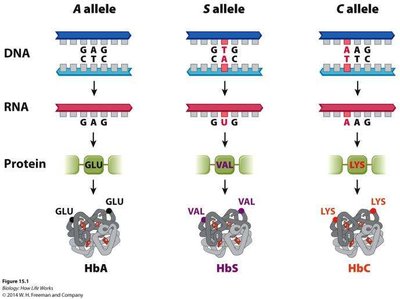
The genotype directly influences the phenotype by determining the sequence of DNA, which is transcribed into RNA and then translated into protein. Changes in the DNA sequence (mutations) can alter the resulting protein and thus the phenotype.
Types of Mutations and Their Effects
Neutral mutations: Have no effect on the organism and are often found in noncoding DNA.
Beneficial mutations: Provide an advantage to the organism, such as resistance to disease.
Harmful mutations: Can cause diseases or disorders.
Examples of Mutation Effects
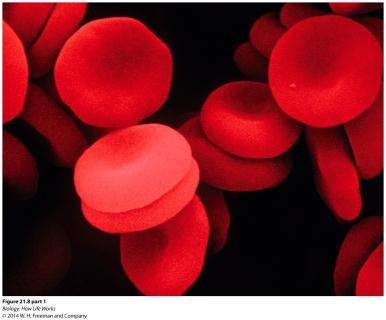
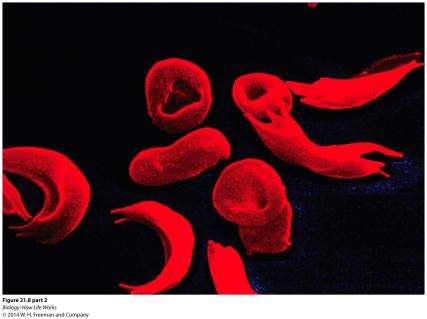
Mutations in the hemoglobin gene can lead to sickle cell anemia, which affects the shape and function of red blood cells.
Genetic Variation Mechanisms
Variable Number of Tandem Repeats (VNTR)
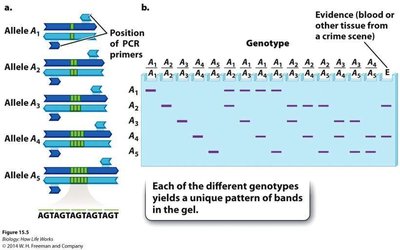
VNTRs are short sequences of DNA that are repeated a variable number of times in the genome. They are used in DNA fingerprinting and genetic studies.
Restriction Fragment Length Polymorphism (RFLP)
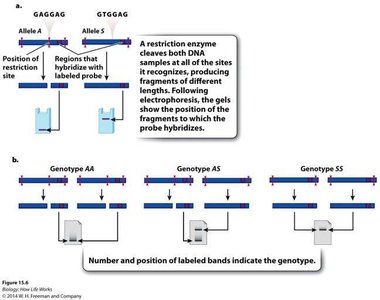
RFLP is a technique that uses restriction enzymes to cut DNA at specific sites, resulting in fragments of different lengths. These fragments can be separated by gel electrophoresis to identify genetic differences.
Single Nucleotide Polymorphism (SNP)
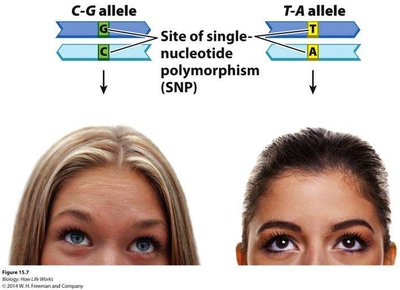
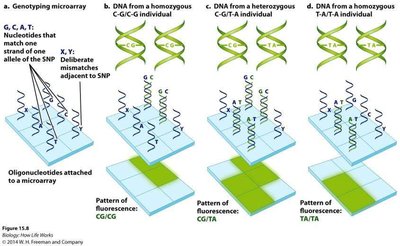
SNPs are single base pair changes in the DNA sequence. They are the most common type of genetic variation among people and can affect traits or disease susceptibility.
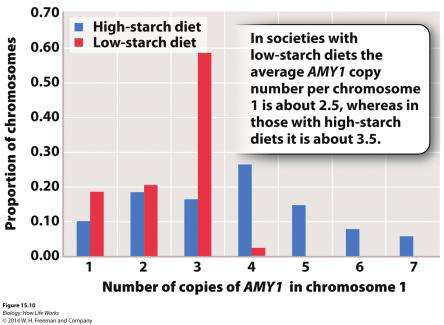
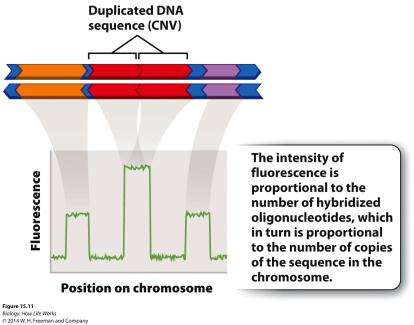
Copy Number Variation (CNV)
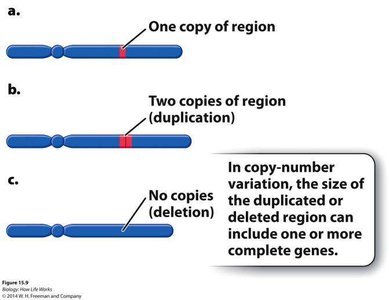
CNVs are variations in the number of copies of a particular gene or DNA region. They can include duplications or deletions and may affect gene dosage and phenotype.
Chromosomal Mutations
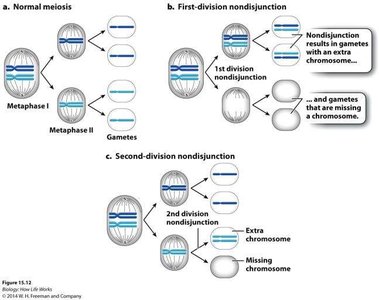
Nondisjunction
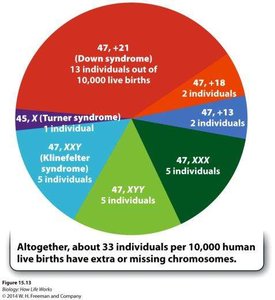
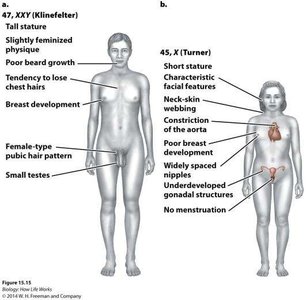
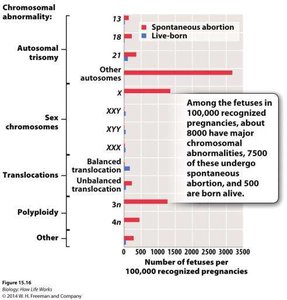
Nondisjunction is the failure of chromosomes to separate properly during meiosis, resulting in gametes with extra or missing chromosomes. This can lead to disorders such as Down syndrome, Turner syndrome, and Klinefelter syndrome.
Polyploidy
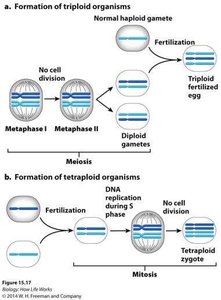
Polyploid organisms have more than two sets of chromosomes. This can occur through errors in cell division and is common in plants.
Translocations
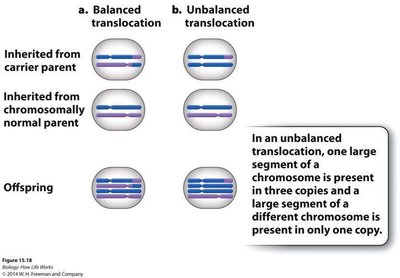
Translocations involve the rearrangement of parts between nonhomologous chromosomes. They can be balanced (no genetic material lost) or unbalanced (genetic material lost or gained).
Mutation Rates and Mechanisms
Mutation Rates
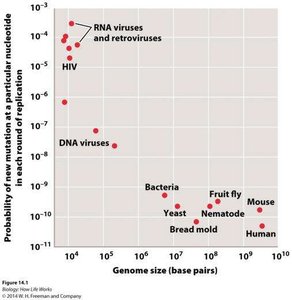
Mutation rates vary among organisms and depend on cell type (somatic vs. germ cells), nucleotide hotspots, and differences between sexes. The rate can be measured per DNA replication cycle or per organismal generation.
Somatic Mutations and Cancer
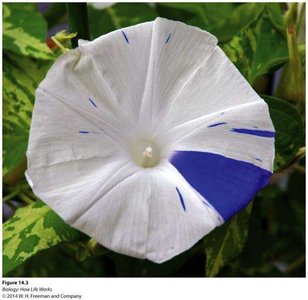
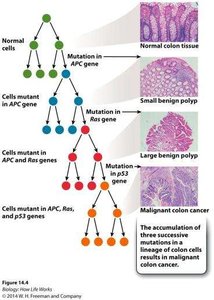
Somatic mutations occur in body cells and can lead to cancer if they affect genes involved in cell growth and division. Multiple mutations in the same cell lineage are required for cancer development.
How Mutations Arise and Are Repaired
Spontaneous vs. Induced Mutations
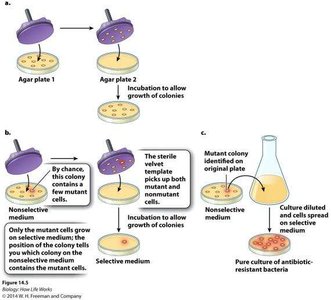
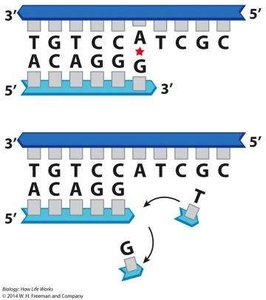
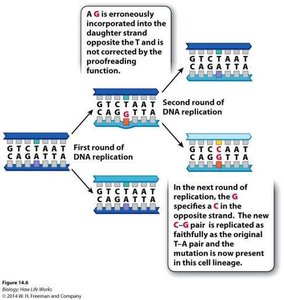
Mutations can arise spontaneously due to errors in DNA replication or be induced by mutagens such as X-rays, UV light, and chemicals.
DNA Repair Mechanisms
Proofreading: DNA polymerases check and correct errors during replication.
Mismatch repair: Enzymes fix errors missed by DNA polymerases.
Base excision repair: Removes incorrect bases and their sugar from the strand.
Nucleotide excision repair: Recognizes and repairs multiple mismatched bases in a region.
Small Scale Mutations
Point Mutations
Point mutations are the most frequent mutation type and involve a change in a single nucleotide. They can be synonymous (silent), nonsynonymous (missense), or nonsense mutations.
Frameshift Mutations
Insertions or deletions of 1 or 2 bases disrupt the reading frame, leading to frameshift mutations. This alters the downstream amino acid sequence and can have severe effects.
Transposable Elements
Transposons and Transposable Elements
Transposons are DNA segments capable of moving from one location in the genome to another, causing rearrangement of genetic material. They were discovered by Barbara McClintock in corn and can be beneficial or harmful.
Large Scale Mutations
Insertions, Deletions, Duplications, and Inversions
Large scale mutations involve changes in chromosome structure, such as insertions, deletions, duplications, and inversions. These can lead to gene families through duplication and divergence.
Summary Table: Types of Mutations
Type | Scale | Effect | Example |
|---|---|---|---|
Point Mutation | Small | Single nucleotide change | Sickle cell anemia |
Frameshift | Small | Disrupts reading frame | Cystic fibrosis |
Insertion/Deletion | Large | Chromosomal rearrangement | Gene duplication |
Translocation | Large | Chromosome segment exchange | Balanced/unbalanced translocation |
Polyploidy | Large | Extra chromosome sets | Triploid plants |
Additional info:
Mutation rates are generally low in humans but higher in viruses, especially RNA viruses.
DNA repair mechanisms are essential for maintaining genetic stability and preventing disease.
Transposable elements contribute to genome evolution and diversity.
