 Back
Mutations, Meiosis, and Mendelian Inheritance: Core Concepts in Genetics
Study Guide - Smart Notes
 Tailored notes based on your materials, expanded with key definitions, examples, and context.
Mutations and Information Flow
Definition and Types of Mutations
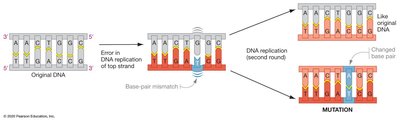
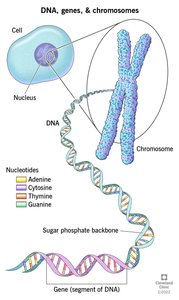
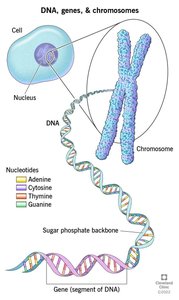
Mutations are any permanent changes in an organism’s DNA sequence. They are a primary source of genetic variation and can affect the flow of genetic information from DNA to RNA to protein.
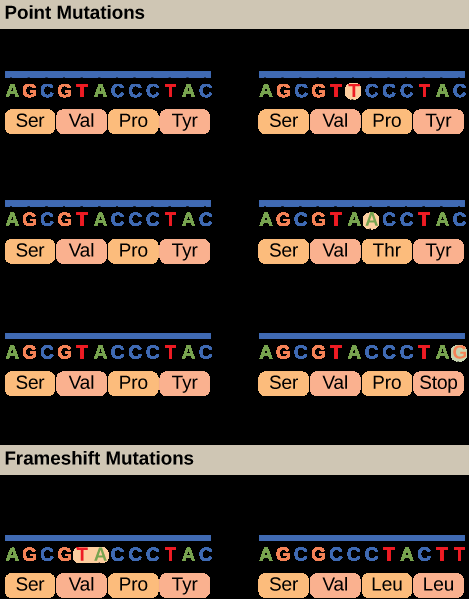
Point Mutation: Alters the sequence of one or a small number of base pairs. These can change codons in mRNA, potentially altering the amino acid sequence of proteins.
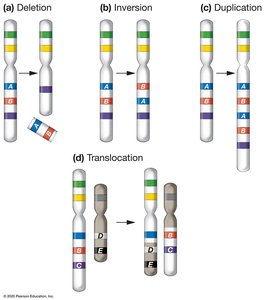
Chromosome Mutation: Involves larger-scale changes that affect the structure or number of chromosomes.
Impact of Mutations on Proteins
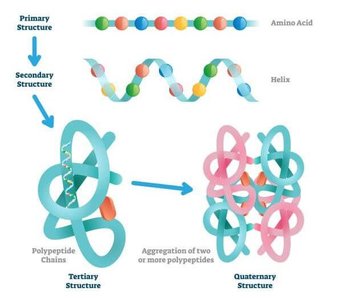
Mutations can change the amino acid sequence of proteins, which may alter protein folding and function. The effect depends on the nature and location of the mutation:
No change in amino acid sequence: Protein shape and function remain unchanged (neutral mutation).
Small change in amino acid sequence: Protein shape and function may be slightly altered (can be beneficial, neutral, or deleterious).
Large change in amino acid sequence: Protein shape is significantly altered, often resulting in loss of function (usually deleterious).
Categories of Mutation Effects
Beneficial: Increase the ability of an organism to survive and reproduce.
Neutral: No effect on survival or reproduction.
Deleterious: Decrease the ability of an organism to survive and reproduce.
Most point mutations are slightly deleterious or neutral.
Chromosomal Mutations
Chromosomal mutations can involve deletions, duplications, inversions, or translocations of chromosome segments. These mutations can also be beneficial, neutral, or deleterious depending on their impact on gene function.
Information Flow: From DNA to Protein
Central Dogma of Molecular Biology
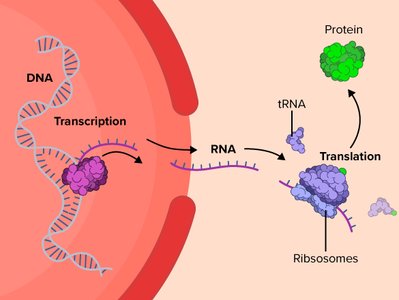
The central dogma describes the flow of genetic information: DNA is transcribed into RNA, which is then translated into protein. The genetic code determines how nucleotide sequences specify amino acid sequences in proteins.
Transcription: DNA is used as a template to synthesize RNA.
Translation: RNA is decoded by ribosomes to build a protein.
Genotype and Phenotype
The genotype is the genetic makeup of an organism, while the phenotype is the observable physical or biochemical characteristics. DNA sequences determine genotype, which in turn influences phenotype through the production of proteins.
Meiosis: The Production of Gametes
Overview of Meiosis
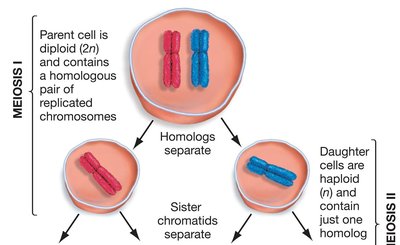
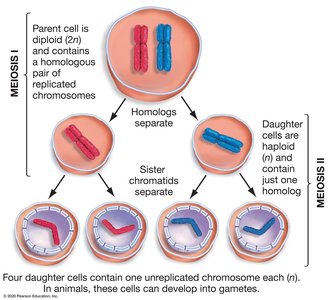
Meiosis is a specialized type of cell division that reduces the chromosome number by half, producing haploid gametes (sperm and egg cells) from diploid cells. This process is essential for sexual reproduction and genetic diversity.
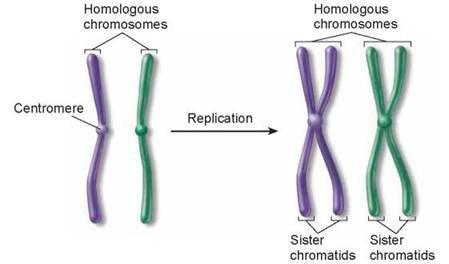
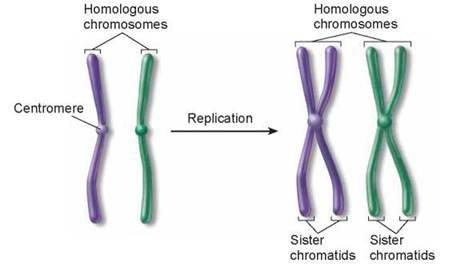
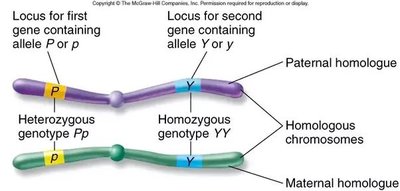
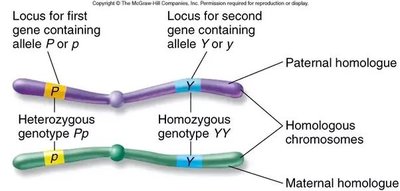
Homologous chromosomes: Chromosomes of the same size and shape, carrying the same genes but possibly different alleles.
Diploid (2n): Cells with two sets of chromosomes.
Haploid (n): Cells with one set of chromosomes.
Stages of Meiosis
Meiosis consists of two sequential divisions:
Meiosis I: Homologous chromosomes are separated into two haploid daughter cells.
Meiosis II: Sister chromatids are separated, resulting in four haploid cells, each with one copy of each chromosome.
Mendelian Inheritance Patterns
Principle of Segregation
Each individual has two alleles for each gene, which segregate during gamete formation so that each gamete receives only one allele. This explains the inheritance of single traits.
Principle of Independent Assortment
Alleles of different genes assort independently of one another during gamete formation, leading to genetic variation in offspring.
Homozygous vs. Heterozygous Genotypes
Homozygous: Two identical alleles for a gene (e.g., AA or aa).
Heterozygous: Two different alleles for a gene (e.g., Aa).
Dominant and Recessive Alleles
Dominant allele: Expressed in the phenotype when present in either homozygous or heterozygous form.
Recessive allele: Expressed in the phenotype only when present in homozygous form.
Mendel’s Experiments
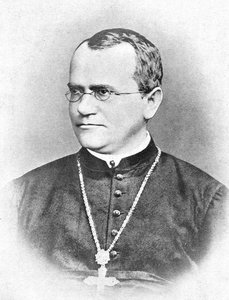
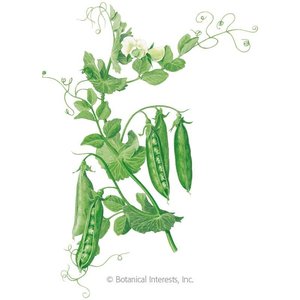
Gregor Mendel’s experiments with garden peas established the foundational principles of inheritance. He used plants with easily distinguishable traits and controlled matings to test hypotheses about trait inheritance.
Summary Table: Types of Mutations and Their Effects
Type of Mutation | Definition | Effect on Protein | Possible Impact |
|---|---|---|---|
Point Mutation | Change in a single base pair | May change one amino acid | Beneficial, neutral, or deleterious |
Frameshift Mutation | Insertion or deletion not in multiples of three | Changes reading frame, alters many amino acids | Usually deleterious |
Chromosomal Mutation | Large-scale changes (deletion, duplication, inversion, translocation) | May affect many genes | Beneficial, neutral, or deleterious |
Additional info: These notes integrate foundational concepts from chapters on gene expression, mutations, meiosis, and Mendelian genetics, providing a comprehensive overview for exam preparation.
