 Back
BackNervous and Endocrine Systems: Homeostasis and Human Physiology
Study Guide - Smart Notes
 Tailored notes based on your materials, expanded with key definitions, examples, and context.
Overview of Nervous and Endocrine Systems
Introduction to Homeostasis and System Interactions
The nervous and endocrine systems are essential for maintaining homeostasis in the human body. These systems coordinate physiological processes by responding to internal and external stimuli, ensuring the stability of the body's internal environment.
Nervous System: Provides rapid, short-term responses to stimuli via nerve impulses.
Endocrine System: Releases hormones into the bloodstream for slower, long-term regulation.
Nervous System Structure and Function
Neurons and Nerve Impulse Transmission
Neurons are specialized cells responsible for transmitting electrical signals throughout the body. The myelin sheath insulates axons, increasing the speed of impulse transmission.
Action Potential: A rapid change in membrane potential that travels along the axon. It follows the all-or-none response, meaning a threshold must be reached for the impulse to fire.
Intensity of Response: Determined by the frequency of action potentials, not their size.
Synaptic Transmission: Neurotransmitters such as acetylcholine, norepinephrine, and cholinesterase mediate signal transfer across synapses.
Central and Peripheral Nervous Systems
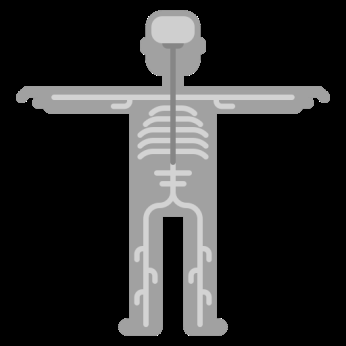
The nervous system is divided into the central nervous system (CNS) and the peripheral nervous system (PNS). Each has distinct structures and functions in regulating voluntary and involuntary activities.
CNS: Includes the brain (cerebral hemispheres, lobes, cerebellum, pons, medulla oblongata, hypothalamus) and spinal cord.
PNS: Comprises the somatic (voluntary) and autonomic (involuntary) systems, including sympathetic and parasympathetic divisions.
Reflex Arcs and Nerve Organization
Reflex arcs are simple neural pathways that mediate automatic responses to stimuli, such as the patellar (knee-jerk) reflex. Neurons are organized into nerves, which can be sensory, motor, or mixed.
Components of a Reflex Arc: Sensory receptor, sensory neuron, interneuron, motor neuron, effector.
Examples: Patellar reflex, pupillary reflex.

Sensory Systems
Structure and Function of the Eye
The human eye is a complex organ that detects light and enables vision. Key structures include:
Cornea, Lens: Focus light onto the retina.
Sclera, Choroid: Provide structure and nourishment.
Retina: Contains photoreceptors (rods and cones) for light detection.
Fovea Centralis: Area of sharpest vision.
Pupil, Iris: Regulate light entry.
Optic Nerve: Transmits visual information to the brain.
Structure and Function of the Ear
The ear detects sound and maintains balance. Major parts include:
Pinna, Auditory Canal: Collect and channel sound waves.
Tympanum, Ossicles: Transmit vibrations to the cochlea.
Cochlea, Organ of Corti: Convert vibrations into nerve impulses.
Auditory Nerve: Sends signals to the brain.
Semicircular Canals: Detect rotational movement for balance.
Eustachian Tube: Equalizes pressure.
Other Sensory Receptors
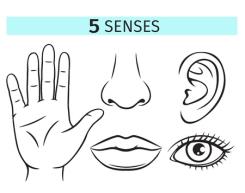
Humans sense their environment through various receptors:
Olfactory Receptors: Detect odors.
Taste Receptors: Detect chemicals in food.
Proprioceptors: Sense body position and movement.
Skin Receptors: Detect touch, pressure, temperature, and pain.
Endocrine System and Homeostasis
Hormonal Regulation
The endocrine system maintains homeostasis by releasing hormones that regulate metabolism, growth, and other physiological processes. Hormones are secreted by glands and travel through the bloodstream to target organs.
Examples of Endocrine Glands: Pituitary, thyroid, adrenal, pancreas.
Feedback Mechanisms: Negative and positive feedback loops control hormone levels.

Scientific Investigation and Societal Implications
Development of Scientific Knowledge
Scientific understanding of the nervous and endocrine systems advances through hypothesis formation, experimentation, and evidence-based explanations. This process is essential for developing treatments for neurological diseases and understanding the effects of environmental factors.
Neurological Diseases: Conditions such as Alzheimer's and Parkinson's disease have biological bases that inform treatment strategies.
Photoperiod and Adaptation: Light exposure affects human physiology, with adaptations seen in populations living in regions with limited sunlight.
Technological and Experimental Approaches
Technological advances provide solutions to sensory and neurological disorders. Experimental investigations help elucidate the effects of drugs, chemicals, and neurotoxins on nervous system function.
Corrective Technologies: Glasses, contact lenses, hearing aids, and cochlear implants address sensory deficits.
Neurotoxins and Antidotes: Understanding the action of toxins (e.g., snake venom, botulin) leads to the development of effective antidotes.
Experimental Skills and Analysis
Designing and Conducting Experiments
Students are encouraged to formulate questions, design experiments, and analyze data related to sensory physiology and neurological function.
Investigate heat, cold, pressure, and touch receptors.
Measure reflex responses and sensory discrimination.
Use microscopes to observe neurons and synapses.
Data Analysis and Communication
Analyzing experimental data and applying scientific models are crucial for understanding physiological processes. Effective communication and teamwork are essential for collaborative scientific inquiry.
Use SI units and significant digits in data reporting.
Work collaboratively to investigate and present findings on neurological disorders.
