 Back
Nutrient Cycles: Carbon, Nitrogen, and Water in the Biosphere
Study Guide - Smart Notes
 Tailored notes based on your materials, expanded with key definitions, examples, and context.
Nutrient Cycles
Earth's Major Systems and Nutrient Cycling
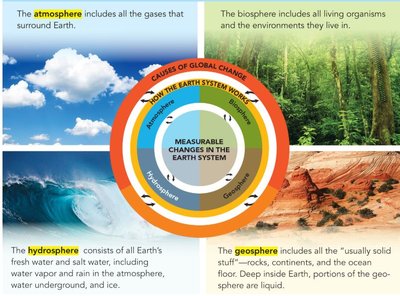
Living organisms depend on the cycling of essential nutrients through Earth's major systems: the biosphere, hydrosphere, atmosphere, and geosphere. These systems interact to support life and regulate environmental conditions.
Biosphere: The part of Earth where life exists, including all living organisms and their environments.
Hydrosphere: All water on Earth, including lakes, oceans, ice, and water underground.
Atmosphere: The layer of gases surrounding Earth, such as O2 and CO2.
Geosphere: The solid, rocky part of Earth, including rocks, continents, and ocean floors.
Carbon Cycle
Overview of the Carbon Cycle
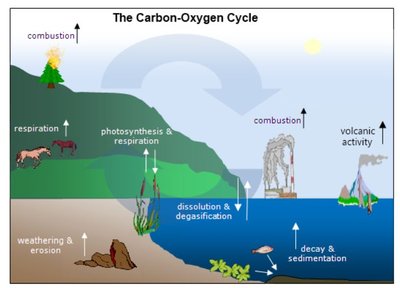
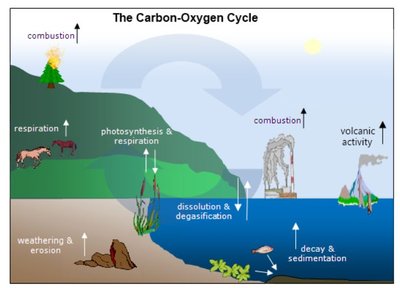
The carbon cycle describes the continuous movement of carbon between organic and inorganic reservoirs. Carbon is a fundamental element in carbohydrates, lipids, proteins, and nucleic acids, making it essential for life. The cycle involves the transfer of carbon among rocks, water, sediments (inorganic reservoirs), and living organisms (organic reservoirs).
Carbon Sources vs. Carbon Sinks
Processes that release carbon into the atmosphere are called carbon sources, while those that remove carbon from the atmosphere are called carbon sinks. Understanding these processes is crucial for studying global climate change and ecosystem dynamics.
Carbon Sources: Release carbon into the air (e.g., respiration, combustion).
Carbon Sinks: Hold carbon and keep it from entering the air (e.g., photosynthesis, sedimentation).

Major Carbon Source Processes
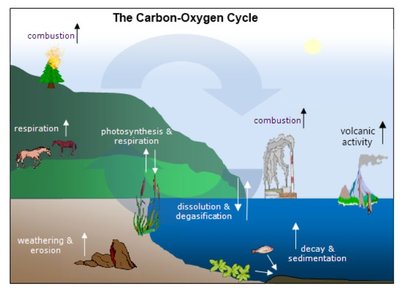
Several processes contribute to the release of carbon into the atmosphere:
Cellular Respiration: Organisms use oxygen to produce energy, releasing CO2.
Decomposition: Breakdown of organic matter releases CO2.
Combustion: Burning of organic material (natural or human-caused) releases CO2.
Degasification: Release of CO2 from water into the air.
Weathering/Erosion: Breakdown of rocks releases carbon.
Volcanic Activity: Eruptions release carbon gases.
Major Carbon Sink Processes
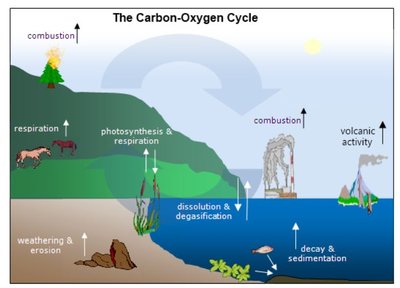
Processes that remove carbon from the atmosphere include:
Photosynthesis: Plants use CO2 to make sugars, removing it from the air.
Sedimentation: Carbon is buried as sediments settle out of water.
Dissolution: CO2 dissolves into water bodies.
Nitrogen Cycle
Nitrogen Cycle Overview
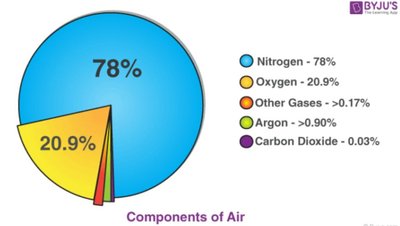
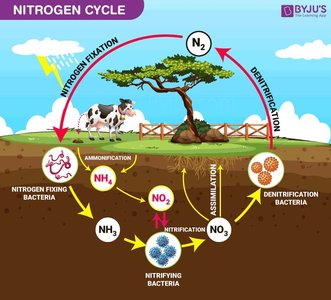
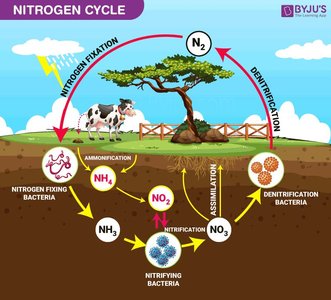
Nitrogen is vital for the synthesis of proteins, nucleic acids, and ATP. Although nitrogen gas (N2) makes up about 78% of the atmosphere, most organisms cannot use it directly. The nitrogen cycle moves nitrogen between the atmosphere, soil, and living things, primarily driven by bacteria through five key processes.
Nitrogen Fixation
Nitrogen fixation is the process by which nitrogen-fixing bacteria in the soil convert unusable nitrogen gas (N2) into usable ammonia (NH3). Lightning can also fix small amounts of nitrogen.
Key Point: Ammonia produced can be absorbed by some plants.
Example: Legume plants have symbiotic bacteria in their roots that fix nitrogen.
Nitrification
Nitrification is the process by which nitrifying bacteria convert ammonia into nitrate (NO3-), which plants can absorb through their roots.
Key Point: Nitrate is a major form of nitrogen used by plants.
Assimilation
Assimilation is the process by which plants absorb nitrates and incorporate them into essential biological molecules. Consumers obtain nitrogen by eating plants.
Key Point: Nitrogen enters food webs through assimilation.
Ammonification (Decomposition)
Ammonification is the process by which decomposer microorganisms break down organic nitrogen compounds from dead plants, animals, and waste into ammonia, recycling nitrogen into the soil.
Key Point: Decomposition is essential for nutrient recycling.
Denitrification
Denitrification is the process by which denitrifying bacteria convert nitrates back to nitrogen gas, returning it to the atmosphere and closing the cycle.
Key Point: Maintains atmospheric nitrogen balance.
Human Impact on the Nitrogen Cycle
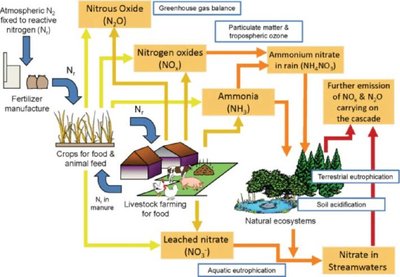
Human activities such as fertilizer use and fossil fuel combustion alter the nitrogen cycle. Fertilizers add synthetic nitrates to soil, speeding up plant growth but causing eutrophication—excess nutrients in water bodies leading to algal blooms and oxygen depletion. Burning fossil fuels releases nitrogen oxides, contributing to smog and acid rain.
Key Point: Eutrophication can harm aquatic ecosystems.
Key Point: Nitrogen oxides are major air pollutants.
Water Cycle
Overview of the Water Cycle
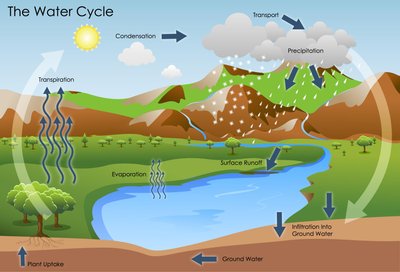
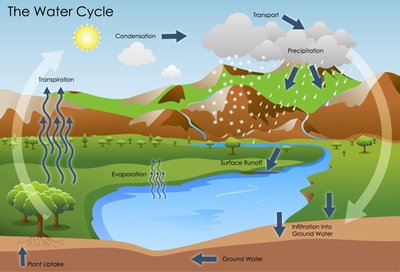
Water is essential for all living organisms, acting as a universal solvent, regulating temperature, and providing habitats. The water cycle describes the continuous movement of water within and between Earth's atmosphere, hydrosphere, geosphere, and biosphere.
Evaporation
Evaporation is the process by which liquid water changes into a gas, moving water from the hydrosphere to the atmosphere. This process is driven by solar energy.
Key Point: Evaporation is a major pathway for water entering the atmosphere.
Transpiration
Transpiration is the evaporation of water from plant leaves through stomata, moving water from the biosphere to the atmosphere.
Key Point: Plants play a significant role in the water cycle.
Condensation
Condensation is the process where water vapor cools and changes back into liquid droplets, forming clouds. Water moves from the atmosphere to the hydrosphere.
Key Point: Condensation is necessary for precipitation.
Precipitation
Precipitation is the process in which water released from clouds falls to Earth as rain, snow, sleet, or hail, moving water from the atmosphere to the geosphere and hydrosphere.
Key Point: Precipitation replenishes water in ecosystems.
Surface Runoff & Infiltration
Surface runoff is water that flows over land, returning water to rivers and lakes. Infiltration is the process by which surface water soaks into the ground, becoming groundwater. Groundwater is stored underground in rock and soil layers.
Key Point: Runoff and infiltration are crucial for water distribution.
Summary Table: Major Nutrient Cycles
Cycle | Main Reservoirs | Key Processes | Human Impact |
|---|---|---|---|
Carbon Cycle | Atmosphere, Biosphere, Geosphere, Hydrosphere | Photosynthesis, Respiration, Combustion, Sedimentation | Fossil fuel burning, Deforestation |
Nitrogen Cycle | Atmosphere, Soil, Biosphere | Nitrogen fixation, Nitrification, Assimilation, Ammonification, Denitrification | Fertilizer use, Fossil fuel burning |
Water Cycle | Atmosphere, Hydrosphere, Geosphere, Biosphere | Evaporation, Transpiration, Condensation, Precipitation, Runoff, Infiltration | Water pollution, Overuse of groundwater |
