 Back
BackNutrition and Digestion: Biomolecules, Vitamins, Minerals, and Digestive Systems
Study Guide - Smart Notes
 Tailored notes based on your materials, expanded with key definitions, examples, and context.
Biomolecules and Nutrition
Monomers of Major Biomolecules
Biomolecules are essential for life and are broken down into their basic building blocks, or monomers, during digestion.
Carbohydrates: Monosaccharides (simple sugars such as glucose)
Proteins: Amino acids
Lipids: Glycerol and fatty acids
Saturated vs. Unsaturated Fats
Fats are classified based on the presence of single or double bonds in their fatty acid chains.
Saturated fats: Contain only single bonds; usually solid at room temperature (e.g., butter).
Unsaturated fats: Contain one or more double bonds; usually liquid at room temperature (e.g., oils). Considered the "good fat" due to health benefits.
Water in the Body
Water is vital for numerous physiological processes and constitutes 55–60% of the human body.
Functions include: chemical reactions in cytoplasm, digestion, waste elimination, blood volume maintenance, temperature regulation, and skin moisture.
Recommended intake: 8 cups per day to replace water lost through urine, sweat, and respiration.
Vitamins
Vitamins are organic molecules required in small amounts for essential metabolic functions, growth, and development. They are classified as fat-soluble or water-soluble.
Fat-soluble vitamins: A, D, E, K. Stored in fat tissue, not easily eliminated, risk of toxicity in high doses.
Water-soluble vitamins: B, C. Not stored in the body, excess excreted in urine.
Vitamin | Key Function | Example Source |
|---|---|---|
Vitamin A | Vision, healthy skin and bones | Fruit |
Vitamin B1 | Carbohydrate metabolism, muscle tone | Beans |
Vitamin C | Bones, teeth, gums, blood vessels, immune system | Fruit |
Vitamin D | Calcium absorption, bone formation | Fish |
Vitamin E | Strengthens red blood cell membranes | Fruit |
Minerals
Minerals are inorganic elements required for metabolic processes and tissue formation or repair.
Calcium, phosphorus: Bone formation (dairy products)
Sodium: Nerve impulse transmission, muscle contraction (salt)
Iron: Component of hemoglobin for oxygen transport (red meat)
Magnesium: Found in dark, leafy greens
Potassium: Found in grains
Healthy Eating and Energy Balance
Maintaining a healthy body mass requires balancing energy intake with energy output. Canada’s Food Guide provides recommendations for servings, sizes, and types of food.
Variables affecting balance: physical activity, amount of food, types of food.
Body Mass Index (BMI)
BMI is an estimate of body fat based on height and weight.
Formula:
Not always reliable for all individuals (e.g., athletes).
Eating Disorders
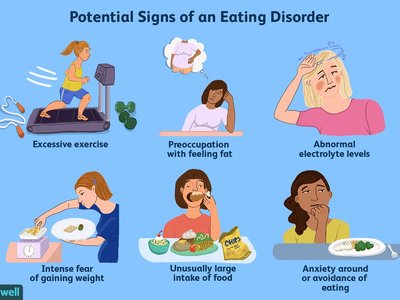
Eating disorders are psychological conditions that can have serious physical health consequences.
Obesity: Excessive body fat, risk factors include genetics, diet, inactivity.
Anorexia: Severe dieting, excessive exercise, distorted body image, risk of starvation.
Bulimia: Binge-purge behavior, awareness of abnormality, risk of electrolyte imbalance.
Treatment involves behavioral and nutritional therapy, and continuous support.
Digestive Systems and Digestion
Introduction to Digestion
Digestion is the process of breaking down food into small particles and absorbing nutrients into the bloodstream for cellular use.
Main Steps in Digestion
Ingestion: Taking in nutrients.
Digestion: Physical and chemical breakdown of food into smaller molecules.
Absorption: Transfer of digested nutrients from the digestive system to the bloodstream.
Egestion: Removal of undigested waste from the body.
Specialized Digestive Systems in Simple Animals
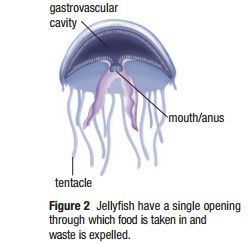
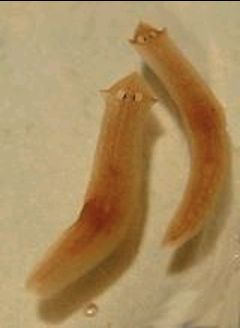
Simple animals, such as jellyfish and flatworms, possess a gastrovascular cavity—a single opening for both ingestion and egestion.
Food is taken directly into the cavity and broken down by chemicals.
Nutrients are absorbed through the cavity walls.
Examples: Jellyfish, flatworms.
A Complete Digestive System
More complex animals have a complete digestive tract with two openings (mouth and anus), allowing for unidirectional movement of food and specialized regions for digestion and absorption.
Example: Earthworm digestive tract includes mouth, pharynx, esophagus, crop, gizzard, intestine, and anus.
Human Digestive System
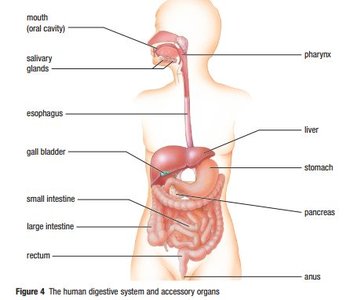
The human digestive system is a complete gastrointestinal (GI) tract, approximately 7–9 meters long, where digestion and absorption occur.
Major organs: mouth, pharynx, esophagus, stomach, small intestine, large intestine, rectum, anus.
Accessory organs: salivary glands, liver, gall bladder, pancreas.
Integration with Other Body Systems
The digestive system interacts with other organ systems for optimal function:
Muscular and skeletal systems: Enable food capture and ingestion.
Circulatory system: Transports oxygen and nutrients to and from digestive organs.
Nervous and endocrine systems: Regulate digestive processes.
Respiratory system: Provides oxygen for cellular metabolism.
