 Back
BackNutrition and Digestion: Structure, Function, and Evolutionary Adaptations
Study Guide - Smart Notes
 Tailored notes based on your materials, expanded with key definitions, examples, and context.
Nutrition and Digestion
Introduction to Nutrition and Digestion
Nutrition and digestion are fundamental biological processes that enable animals to obtain energy and essential nutrients from their environment. Understanding the structure and function of the digestive system is crucial for evaluating dietary choices and maintaining health.
Obesity is a significant health issue, with over a third of American adults affected.
Sound dietary decisions require knowledge of digestive anatomy and physiology.
Animal Feeding Mechanisms
Types of Diets and Feeding Strategies
Animals exhibit diverse diets and feeding mechanisms, reflecting evolutionary adaptations to their ecological niches.
Herbivores (e.g., cattle, gorillas) consume mainly plants and algae.
Carnivores (e.g., lions, spiders) eat other animals.
Omnivores (e.g., humans, crows) eat both plants and animals.
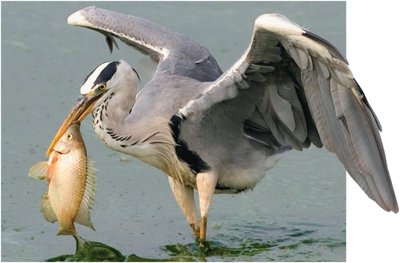
Four major feeding mechanisms:
Suspension feeders: Filter food particles from the environment.
Substrate feeders: Live in or on their food source.
Fluid feeders: Suck nutrient-rich fluids from hosts.
Bulk feeders: Ingest large pieces of food.
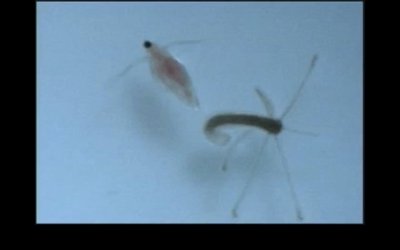
Overview of Food Processing
Stages of Food Processing
Food processing in animals occurs in four main stages, each essential for extracting and utilizing nutrients.
Ingestion: Taking in food.
Digestion: Mechanical and chemical breakdown of food.
Absorption: Uptake of nutrient molecules into body cells.
Elimination: Removal of undigested material.
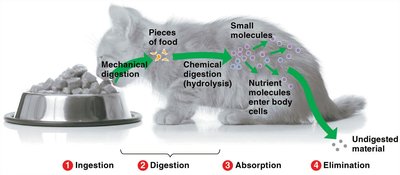
Chemical digestion is necessary because animals cannot directly use macromolecules in food; these must be broken down into smaller components.
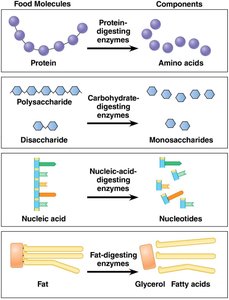
Digestive Compartments and Evolutionary Adaptations
Specialized Compartments for Digestion
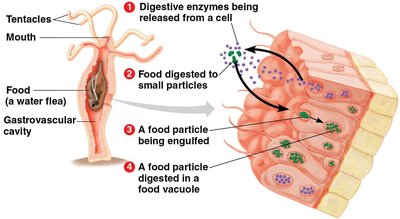
Most animals digest food in specialized compartments, which prevent self-digestion and increase efficiency.
Gastrovascular cavity: Single opening (e.g., cnidarians, flatworms).
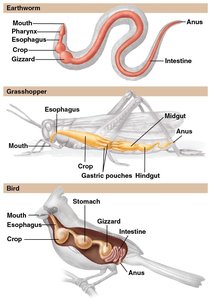
Alimentary canal: Tube with separate mouth and anus, allowing for specialized regions (e.g., most animals).
The Human Digestive System
Structure and Function
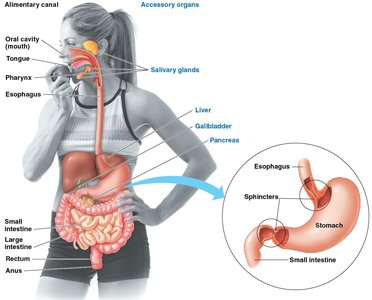
The human digestive system consists of the alimentary canal and accessory organs, each with specialized roles in processing food.
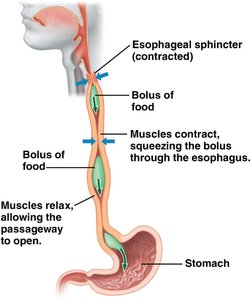
Food is ingested in the mouth, moved by the tongue to the pharynx, and propelled by peristalsis through the alimentary canal.
Sphincters regulate movement between compartments.
Final digestion and absorption occur in the small intestine; undigested material is expelled via the anus.
Digestion in the Oral Cavity
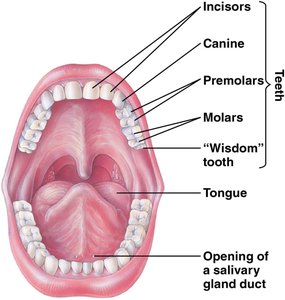
Both mechanical and chemical digestion begin in the mouth.
Teeth cut, grind, and smash food.
The tongue shapes food into a bolus and moves it to the pharynx.
Swallowing and Movement to the Stomach
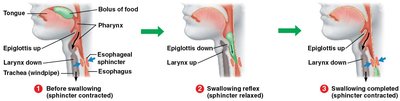
Swallowing is a coordinated reflex that directs food into the esophagus and prevents entry into the trachea.
The epiglottis closes the trachea during swallowing.
Peristalsis moves the bolus through the esophagus to the stomach.
The Heimlich Maneuver
The Heimlich maneuver is a first-aid procedure used to dislodge food blocking the airway during choking by forcefully elevating the diaphragm.

Stomach Function and Gastric Juice
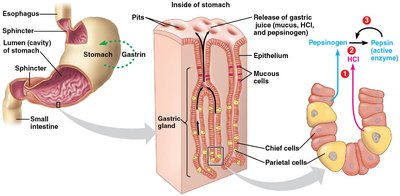
The stomach stores food and initiates protein digestion using gastric juice, which contains pepsinogen, hydrochloric acid (HCl), and mucus.
HCl converts pepsinogen to pepsin, which digests proteins.
Digestive Disorders: Acid Reflux and Ulcers
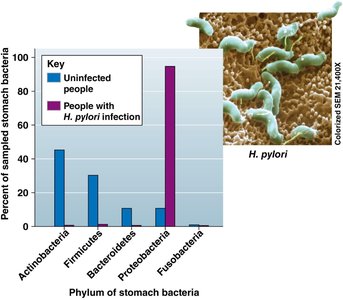
Acid reflux and gastric ulcers are common digestive ailments. Ulcers are often caused by Helicobacter pylori infection.
The Small Intestine: Chemical Digestion and Absorption
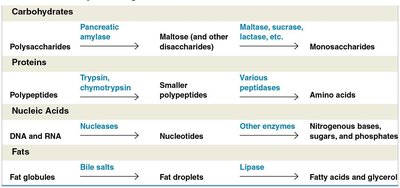
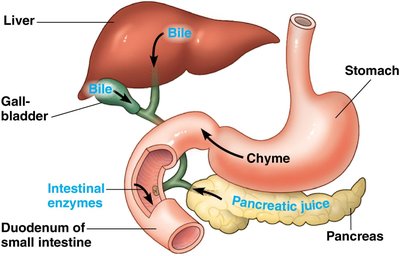
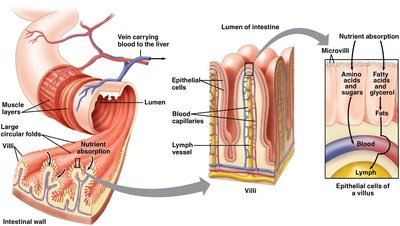
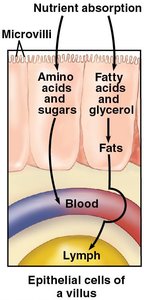
The small intestine is the primary site for chemical digestion and nutrient absorption. Enzymes from the pancreas and intestinal wall, along with bile from the liver, facilitate digestion.
Bile emulsifies fats, aiding enzyme action.
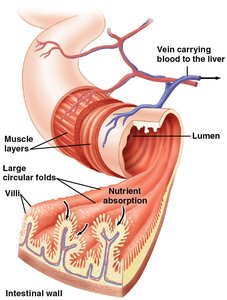
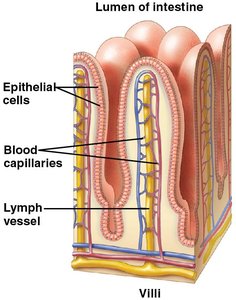
Villi and microvilli increase surface area for absorption.
Food Type | Enzyme(s) | End Products |
|---|---|---|
Carbohydrates | Pancreatic amylase, maltase, sucrase, lactase | Monosaccharides |
Proteins | Trypsin, chymotrypsin, peptidases | Amino acids |
Nucleic Acids | Nucleases, other enzymes | Nitrogenous bases, sugars, phosphates |
Fats | Bile salts, lipase | Fatty acids, glycerol |
Liver Function in Digestion
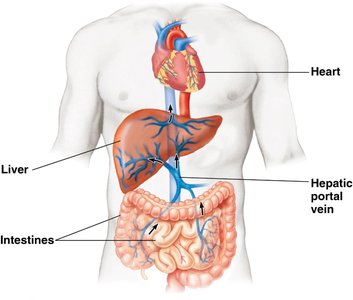
The liver processes and detoxifies blood from the intestines, regulates nutrient levels, and synthesizes blood proteins.
The Large Intestine: Water Reclamation and Feces Formation
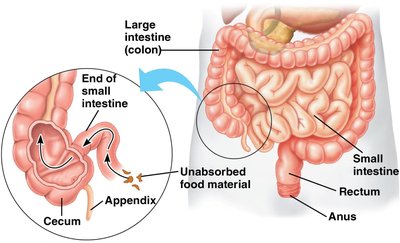
The large intestine absorbs water and vitamins produced by bacteria, compacts feces, and stores them until elimination.
The cecum and appendix are located at the junction with the small intestine.
Diarrhea and constipation result from imbalances in water absorption.
Evolutionary Adaptations of Digestive Systems
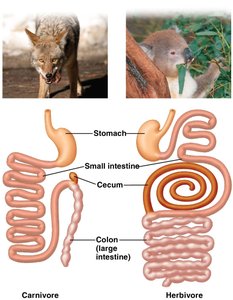
The structure of the digestive tract reflects dietary adaptations. Herbivores often have longer alimentary canals and specialized compartments for cellulose digestion.
Nutrition: Energy and Essential Nutrients
Energy Requirements and Metabolic Rate
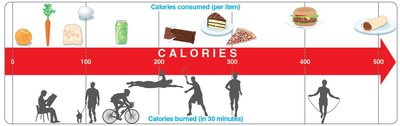
Animals require chemical energy, raw materials for biosynthesis, and essential nutrients. Metabolic rate includes basal metabolic rate (BMR) and energy for activities.
Essential Nutrients
Essential nutrients cannot be synthesized by the animal and must be obtained from the diet. These include essential fatty acids, amino acids, vitamins, and minerals.
Essential fatty acids: e.g., linoleic acid, found in seeds and vegetables.
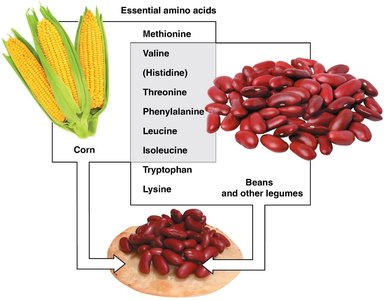
Essential amino acids: e.g., methionine, lysine; found in meats, eggs, and legumes.
Vitamins and Minerals
Vitamins are organic molecules required in small amounts, often as coenzymes. Minerals are inorganic nutrients with diverse physiological roles.
Vitamin | Sources | Function/Notes |
|---|---|---|
Vitamin B1 (thiamine) | Pork, legumes, whole grains | Deficiency causes beriberi |
Vitamin C (ascorbic acid) | Citrus fruits, broccoli | Deficiency causes scurvy |
Vitamin D | Fortified dairy, sunlight | Bone formation; deficiency causes rickets |
Vitamin K | Green vegetables, colon bacteria | Blood clotting |
Mineral | Sources | Function/Notes |
|---|---|---|
Calcium | Dairy, green vegetables | Bone formation, nerve function |
Iron | Meats, eggs, legumes | Hemoglobin component; deficiency causes anemia |
Iodine | Seafood, iodized salt | Thyroid hormones; deficiency causes goiter |
Food Labels and Nutritional Information
Food labels provide information on serving size, calories, and nutrient content, aiding in dietary planning.
Malnutrition and Dietary Deficiencies
Malnutrition results from insufficient intake of nutrients or calories. Protein deficiency is the most common cause worldwide.
Obesity and Evolutionary Perspectives
Obesity is defined by a high body mass index (BMI) and is influenced by lifestyle and evolutionary factors. The hormone leptin, produced by adipose tissue, regulates appetite, but most obesity is not due to leptin deficiency.
Diet and Disease Risk
Diet influences the risk of cardiovascular disease and cancer. LDL cholesterol increases risk, while HDL may be protective. Dietary guidelines recommend maintaining a healthy weight, eating fruits and vegetables, choosing whole grains, and limiting processed meats and alcohol.
Summary
Understanding the structure and function of the digestive system, the importance of essential nutrients, and the impact of diet on health is fundamental for biology students and essential for making informed dietary choices.
