 Back
Organic Compounds and Biological Macromolecules
Study Guide - Smart Notes
 Tailored notes based on your materials, expanded with key definitions, examples, and context.
Organic Chemistry and Carbon Compounds
Introduction to Organic Compounds
Organic chemistry is the study of molecules containing carbon, which forms the backbone of all biological macromolecules. The unique properties of carbon allow it to form a variety of stable bonds, making it essential for life.
Organic Compounds: Molecules that contain carbon atoms bonded to other elements, most commonly hydrogen, oxygen, and nitrogen.
Valence Electrons: Carbon has 4 valence electrons, allowing it to form up to 4 covalent bonds with other atoms.
Bond Types: Carbon can form single, double, or triple bonds, contributing to the diversity of organic molecules.
Common Bonds: Carbon most frequently bonds with hydrogen, oxygen, and nitrogen.
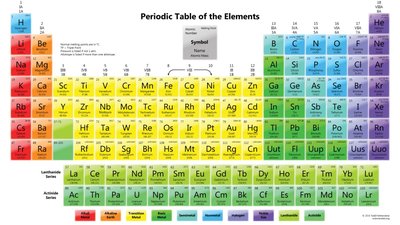
Energy Storage: Energy is stored in the carbon-hydrogen (C–H) bond, which is important for biological energy transfer.
Hydrocarbons
Hydrocarbons are the simplest organic molecules, consisting only of carbon and hydrogen. They serve as the foundation for more complex organic molecules.
Methane (CH4): The simplest hydrocarbon, consisting of one carbon atom bonded to four hydrogen atoms.
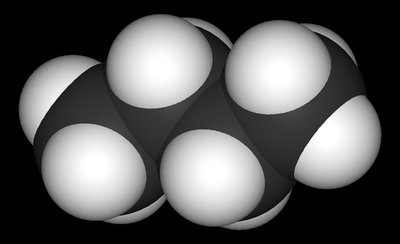
Other Examples: Propane (C3H8), Butane (C4H10).
Properties of Carbon Molecules
The properties of organic molecules depend on their shape and the functional groups attached to the carbon skeleton.
Molecular Shape: Determines the function and reactivity of the molecule.
Functional Groups: Specific groups of atoms that confer characteristic chemical properties to organic molecules.
Functional Groups
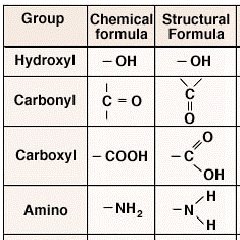
Functional groups are clusters of atoms that influence the chemical behavior of organic molecules. They are critical in the structure and function of biological macromolecules.
Group | Chemical Formula | Structural Formula |
|---|---|---|
Hydroxyl | –OH | –OH |
Carbonyl | C=O | O // C |
Carboxyl | –COOH | O // C–OH |
Amino | –NH2 | –N | H | H |
Biological Macromolecules
Types of Biological Macromolecules
Biological macromolecules are large, complex molecules essential for life. They are classified into four major groups:
Carbohydrates: Sugars and starches that provide energy and structural support.
Proteins: Polymers of amino acids that perform a wide range of functions, including catalysis (enzymes) and structural roles.
Lipids: Fats and oils used for long-term energy storage and membrane structure.
Nucleic Acids: DNA and RNA, which store and transmit genetic information.
Monomers and Polymers
Macromolecules are formed by linking smaller units called monomers into long chains called polymers.
Monomer: A single base unit (e.g., glucose, amino acid, nucleotide).
Polymer: A long chain of monomers joined together (e.g., starch, protein, DNA).
Polymerization: Dehydration Synthesis and Hydrolysis
Polymers are assembled and disassembled through two key chemical reactions:
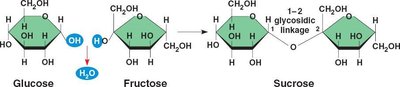
Dehydration Synthesis (Condensation): Monomers are joined together by removing a molecule of water, forming a covalent bond.
Hydrolysis: Polymers are broken down into monomers by the addition of water, breaking the covalent bond.
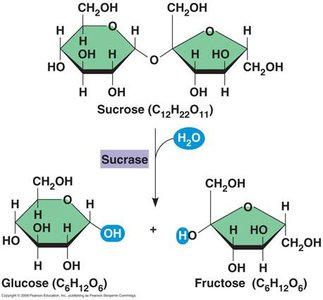
Examples and Applications
Carbohydrates: Starch is a polymer of glucose monomers, used by plants for energy storage.
Proteins: Enzymes are proteins that catalyze biochemical reactions.
Lipids: Fats are composed of glycerol and fatty acids, important for energy storage and membrane structure.
Nucleic Acids: DNA and RNA are polymers of nucleotides, essential for genetic information storage and transfer.
Additional info: The diversity of organic molecules is due to the versatility of carbon and the variety of functional groups that can be attached to the carbon skeleton. This allows for the complexity necessary for biological structure and function.
