 Back
Origin of Organic Molecules, Carbohydrates, and Lipids
Study Guide - Smart Notes
 Tailored notes based on your materials, expanded with key definitions, examples, and context.
Origin of Organic Molecules Before Life
Abiotic Synthesis of Organic Molecules
The formation of organic molecules before the emergence of life is a foundational concept in biology. Scientists hypothesize that simple organic compounds formed through natural processes on the early Earth, providing the building blocks for life.
Atmospheric Synthesis: Early Earth's atmosphere, rich in water vapor, methane, ammonia, and hydrogen, could have facilitated the synthesis of organic molecules through energy sources such as lightning or UV radiation.
Hydrothermal Vents: Submerged volcanoes and deep-sea hydrothermal vents may have provided the necessary conditions for organic synthesis, including heat and mineral catalysts.
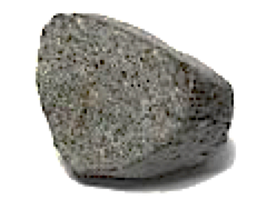
Extraterrestrial Sources: Organic compounds, including amino acids, have been found in meteorites, suggesting that some building blocks of life may have arrived from space.
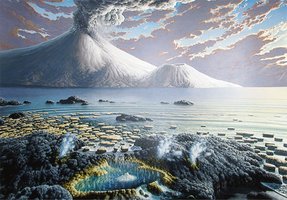
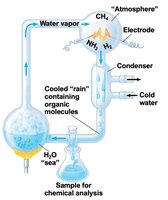
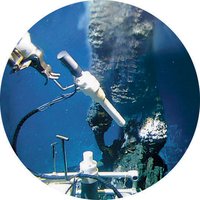
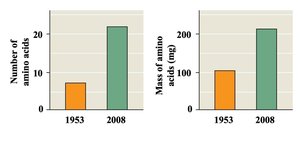
The Miller-Urey Experiment
The Miller-Urey experiment (1953) simulated early Earth conditions and demonstrated that a variety of organic molecules, including amino acids, could be synthesized abiotically. Later experiments (2008) using volcanic conditions produced even greater yields of amino acids.
Key Finding: Organic molecules can form under prebiotic conditions, supporting the hypothesis of abiotic synthesis as a precursor to life.
Macromolecules and Polymerization
Definition and Types of Macromolecules
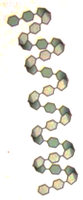
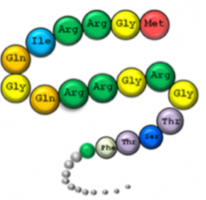
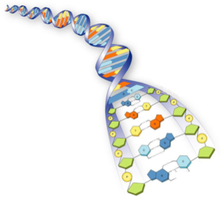
Macromolecules are large, complex molecules essential for life. They are typically polymers, which are long chains made by linking smaller units called monomers. The main biological macromolecules are:
Polysaccharides (carbohydrates)
Proteins
Nucleic acids (DNA, RNA)
Lipids (not true polymers)
Polymerization: Dehydration and Hydrolysis
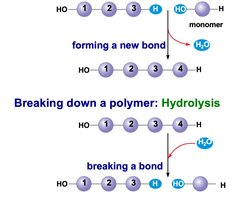
Polymers are synthesized by dehydration reactions, where a water molecule is removed to form a new bond. Polymers are broken down by hydrolysis, where water is added to break bonds between monomers.
Dehydration Reaction: Joins monomers by removing H2O.
Hydrolysis: Breaks polymers into monomers by adding H2O.
Carbohydrates
Overview and Functions
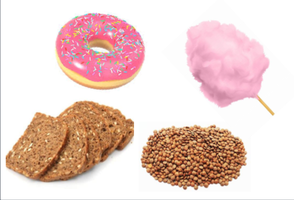
Carbohydrates are organic molecules that serve as fuel and building material. They include sugars and their polymers.
Monosaccharides: Simple sugars (e.g., glucose)
Disaccharides: Two monosaccharides joined together (e.g., sucrose)
Polysaccharides: Long chains of monosaccharides (e.g., starch, cellulose, glycogen)
Monosaccharides: Structure and Classification
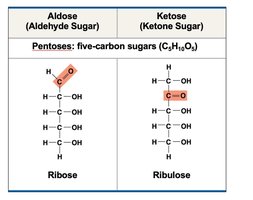
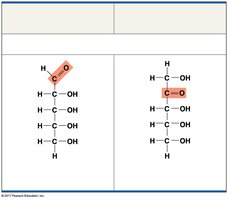
Monosaccharides are the simplest carbohydrates, usually with the formula (CH2O)n. Glucose (C6H12O6) is the most common. They are classified by:
Location of the carbonyl group: Aldose (aldehyde group) or ketose (ketone group)
Number of carbons: Trioses (3C), pentoses (5C), hexoses (6C)
Isomerism in Monosaccharides
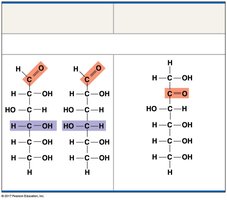
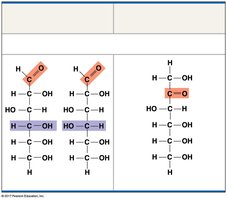
Monosaccharides can exist as structural isomers (same formula, different structure) and geometric isomers. For example, glucose, galactose, and fructose are all C6H12O6 but differ in structure.
Properties of Glucose
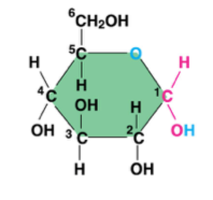
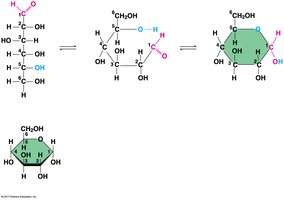
Glucose is an organic molecule with hydroxyl and carbonyl functional groups, making it polar and water-soluble. In aqueous solutions, many monosaccharides form ring structures.
Formation of Disaccharides
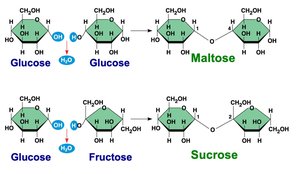
Disaccharides are formed by joining two monosaccharides via a dehydration reaction, producing a glycosidic bond. Examples include maltose (glucose + glucose) and sucrose (glucose + fructose).
Polysaccharides: Structure and Function
Polysaccharides are polymers of sugars with diverse functions:
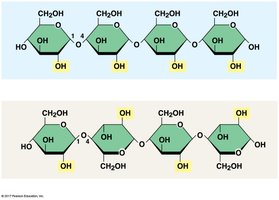
Starch: Energy storage in plants; composed of α-glucose monomers
Glycogen: Energy storage in animals (muscles and liver)
Cellulose: Structural component of plant cell walls; composed of β-glucose monomers
Digestibility of Polysaccharides
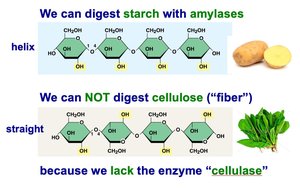
Humans can digest starch using amylase enzymes but cannot digest cellulose due to the lack of cellulase. Some herbivores rely on symbiotic microorganisms to break down cellulose.
Lipids
Overview and Types
Lipids are a diverse group of hydrophobic molecules, not true polymers. They are mainly hydrocarbons and include fats (triglycerides), phospholipids, and steroids.
Fats (Triglycerides): Structure and Formation
Fats are composed of glycerol (a 3-carbon alcohol) and three fatty acids (long hydrocarbon chains with a carboxyl group). They are formed by dehydration reactions, creating ester linkages between the carboxyl group of fatty acids and the hydroxyl groups of glycerol.
Function: Energy storage, insulation, and protection
Energy Content of Fats
Fats are highly calorific because they store a large amount of energy in their hydrocarbon bonds.
Saturated, Unsaturated, and Trans Fats
Fatty acids can be:
Saturated: No double bonds; solid at room temperature
Unsaturated: One or more double bonds; liquid at room temperature
Trans fats: Artificially hydrogenated fats; associated with health risks such as heart disease
Summary Table: Functional Differences of Major Polysaccharides
Polysaccharide | Function | Location |
|---|---|---|
Starch | Energy storage | Plants |
Glycogen | Energy storage | Animals (muscle, liver) |
Cellulose | Structural (cell wall) | Plants |
Additional info: Lipids also include phospholipids (major component of cell membranes) and steroids (such as cholesterol and hormones), but these are not covered in detail in this section.
