 Back
BackL10 Biodiversity
Study Guide - Smart Notes
 Tailored notes based on your materials, expanded with key definitions, examples, and context.
Kingdom Animalia
General Characteristics
The animal kingdom is the most complex group of organisms, characterized by several unique features that distinguish them from other life forms. Animals are essential for ecosystem health and human society.
Heterotrophic: Animals obtain nutrition by consuming other organisms and digesting food using enzymes.
Multicellular: Composed of multiple cells with specialized functions.
Eukaryotic: Cells contain a nucleus and membrane-bound organelles.
Motile: Most animals can move at some stage of their life cycle.
Sensory Ability: Animals possess specialized sensory organs to detect environmental changes.
No Cell Wall: Unlike plants and fungi, animal cells lack a rigid cell wall.
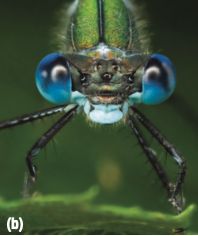
Importance of Animals
Sources of food and products (meat, silk, pearls, etc.)
Maintain ecosystem health (pollinators, decomposers, etc.)
Companionship (pets)
Classification and Phylogeny
Major Divisions Among Animals
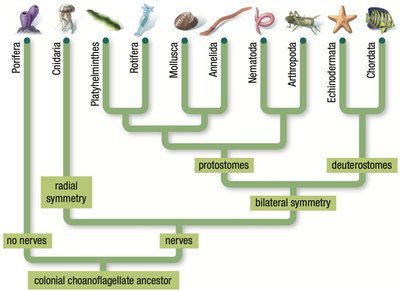
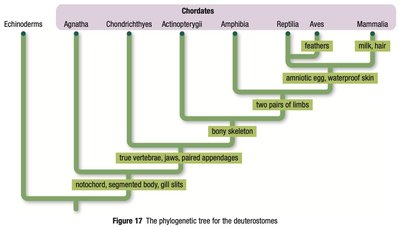
Animals are classified based on evolutionary relationships and developmental characteristics. The phylogenetic tree illustrates the major animal phyla and their evolutionary connections.
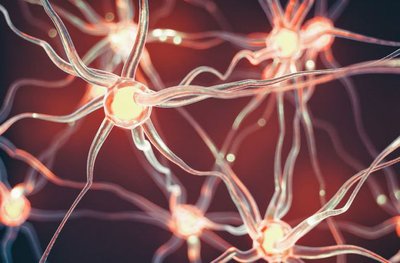
Development of Nerves: Specialized cells (neurons) coordinate movement and sensory functions.
Body Symmetry: Animals exhibit different types of symmetry, which is a key classification feature.
Body Symmetry
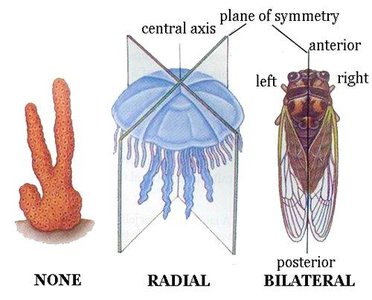
Symmetry refers to the arrangement of body parts around a central axis or midline.
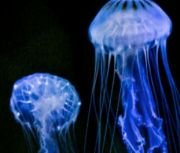
Radial Symmetry: Body parts arranged around a central axis (e.g., jellyfish).
Bilateral Symmetry: Body divided into left and right mirror-image halves, with dorsal (back) and ventral (belly) surfaces (e.g., humans).
No Symmetry: Some animals, like sponges, lack symmetry.
Major Animal Phyla
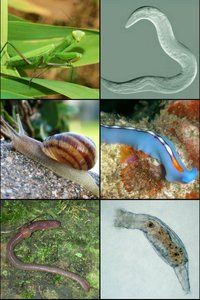
Porifera: Sponges, lack true tissues and symmetry.
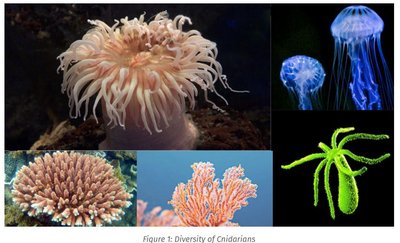
Cnidaria: Jellyfish, corals, sea anemones; exhibit radial symmetry and specialized stinging cells.
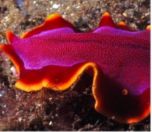
Platyhelminthes: Flatworms, simple bilateral symmetry.
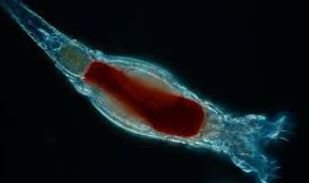
Rotifera: Microscopic aquatic animals.
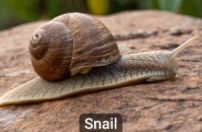
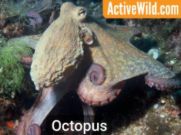
Mollusca: Snails, clams, octopuses; soft-bodied, often with a shell.
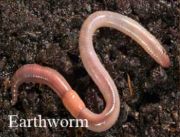
Annelida: Segmented worms like earthworms.
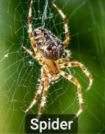
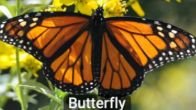
Arthropoda: Insects, spiders, crustaceans; jointed limbs and exoskeleton.
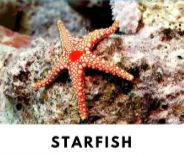
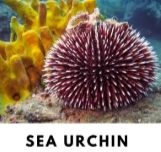
Echinodermata: Starfish, sea urchins; radial symmetry as adults.
Chordata: Vertebrates and some invertebrates; possess a notochord.
Protostomes vs. Deuterostomes
Bilaterally symmetrical animals are divided into two major branches based on embryonic development:
Protostomes: Mouth forms before anus during development (e.g., arthropods, mollusks, annelids).
Deuterostomes: Anus forms before mouth (e.g., chordates, echinoderms).
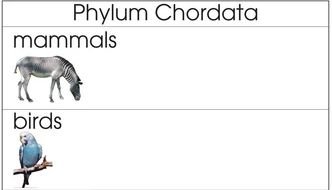
Chordates vs. Non-Chordates
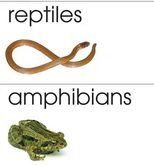
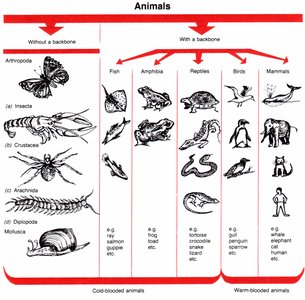
Chordates are animals with a dorsal backbone or notochord, including vertebrates such as fish, amphibians, reptiles, birds, and mammals. All other animals are referred to as invertebrates.
Cell Specialization and Germ Layers
Germ Layers in Embryonic Development
Most animals develop from embryos with three germ layers, which give rise to specialized tissues and organs.
Ectoderm: Forms the outer layer, including skin and nervous system.
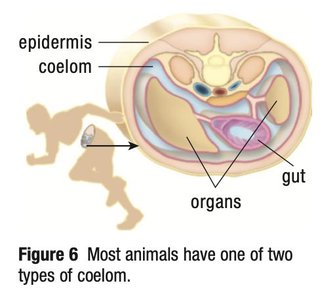
Mesoderm: Forms the middle layer, including circulatory, reproductive, excretory, and muscular systems, as well as the coelom (body cavity).
Endoderm: Forms the inner layer, including the lining of the gut and some respiratory structures.
Human-Animal Interactions: Protostomes
Negative Interactions
Protostome animals can negatively impact humans as competitors, pathogens, and vectors.
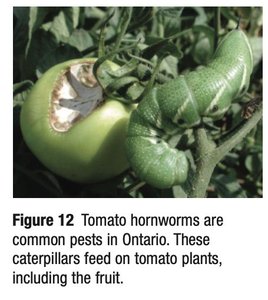
Competitors: Insects and slugs compete with humans for food crops, causing food loss and increased costs.
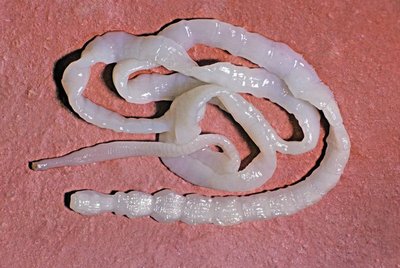
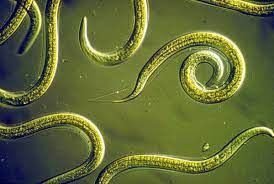
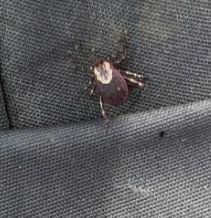
Pathogens and Vectors: Parasitic diseases caused by nematodes, tapeworms, and flukes affect human tissues. Vectors like mosquitoes and ticks spread diseases such as malaria and Lyme disease.
Positive Interactions
Protostome animals provide food and economic benefits to humans.
Clams, scallops, shrimp, lobster: important seafood sources.
Oysters: source of pearls.
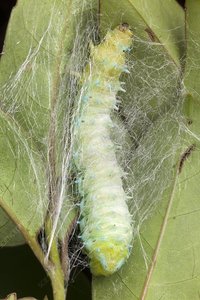
Caterpillars: produce silk.
Insects: pollinate food crops.
Vertebrate Diversity and the Web of Life
Diversity of Vertebrates
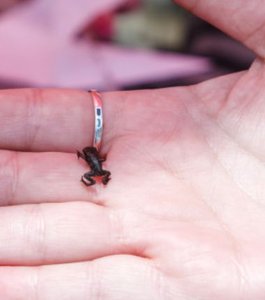
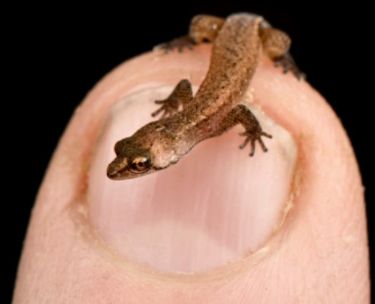
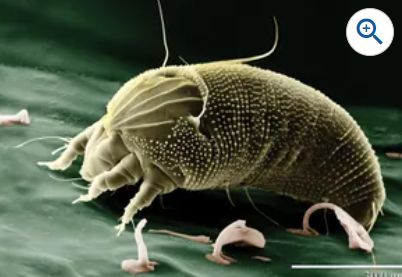
Vertebrates are extraordinarily diverse in size, sensory abilities, behavior, and life cycles.
Size: Range from the blue whale (150,000 kg) to the bee hummingbird (1.8 g).
Sensory Ability: Includes echolocation (bats) and infrared detection (viper snakes).
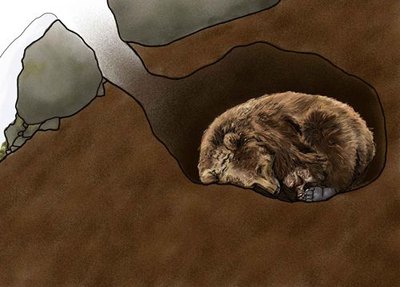
Behavior: Migration and hibernation are examples of complex behaviors.
Life Cycles: Vary widely among vertebrate species.
Sensory Ability Diversity
Echolocation: Used by bats to navigate and hunt.
Infrared Radiation Detection: Used by viper snakes to detect prey.
Defence Mechanisms in the Animal Kingdom
Variety of Defence Mechanisms
Animals have evolved a wide range of defense mechanisms to protect themselves from predators and environmental threats.
Sea cucumber: expels intestines as a defense.
Texas horned lizard: shoots blood from its eyes.
Hairy frog: breaks finger bones to use as claws.
Bombardier beetle: sprays hot poison.
Flying fish: escape predators by gliding above water.
Additional info: These mechanisms illustrate the diversity and adaptability of animal survival strategies.
Summary Table: Animal Classification
The following table summarizes the classification of major animal groups based on the presence or absence of a backbone and their physiological characteristics.
Group | Examples | Backbone | Cold/Warm-blooded |
|---|---|---|---|
Arthropoda | Insects, Crustaceans, Arachnids, Diplopoda | No | Cold-blooded |
Mollusca | Snails, Octopus | No | Cold-blooded |
Fish | Salmon, Guppy | Yes | Cold-blooded |
Amphibia | Frog, Toad | Yes | Cold-blooded |
Reptiles | Snake, Turtle | Yes | Cold-blooded |
Birds | Penguin, Sparrow | Yes | Warm-blooded |
Mammals | Elephant, Human | Yes | Warm-blooded |
Summary Table: Chordate Phylogeny
This table outlines the evolutionary relationships among chordates and their distinguishing features.
Group | Key Features |
|---|---|
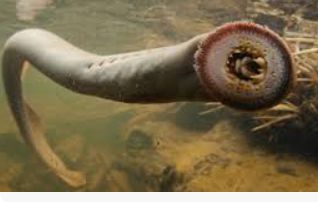
Agnatha | Jawless fish, notochord, segmented body, gill slits |
Chondrichthyes | Cartilaginous fish, true vertebrae, jaws, paired appendages |
Actinopterygii | Ray-finned fish, bony skeleton |
Amphibia | Two pairs of limbs |
Reptilia | Amniotic egg, waterproof skin |
Aves | Feathers |
Mammalia | Milk, hair |
Key Terms and Definitions
Coelom: The body cavity in animals that contains internal organs.
Notochord: A flexible rod-like structure found in chordates.
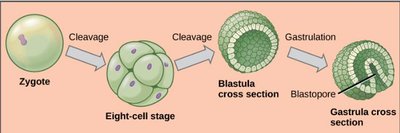
Blastula: Early stage of embryonic development.
Gastrula: Stage where germ layers form.
Symmetry: Arrangement of body parts around an axis or midline.
Relevant Equations and Diagrams
While animal classification does not rely on mathematical equations, diagrams such as phylogenetic trees and embryonic development stages are essential for understanding relationships and processes.
Additional info: For further study, refer to recommended videos and textbook pages for detailed explanations of animal diversity and classification.
