 Back
Overview of Animal Diversity: Structure, Evolution, and Major Phyla
Study Guide - Smart Notes
 Tailored notes based on your materials, expanded with key definitions, examples, and context.
Characteristics and Evolution of Animals
General Features of Animals
Animals are a diverse group of eukaryotic, multicellular organisms that are primarily heterotrophic, meaning they ingest and digest food internally. Unlike plants and fungi, animals lack cell walls and are supported by structural proteins such as collagen. Unique to animals are specialized muscle and nerve cells, which facilitate movement and response to stimuli.
Nutritional Mode: Animals ingest, digest, and then absorb nutrients. Plants are autotrophs, while fungi absorb nutrients from their surroundings.
Cell Structure: Eukaryotic, multicellular, no cell wall, supported by collagen.
Reproduction: Most animals reproduce sexually, with some capable of asexual reproduction. The diploid stage is dominant.
Kingdom Animalia is defined by these features and is distinct from other eukaryotic kingdoms.
Evolutionary Origins of Animals
Animals evolved from unicellular eukaryotes, with choanoflagellates being the closest living relatives. The earliest animal fossils date back to the Ediacaran Period of the Proterozoic Eon, with evidence of steroid molecules produced by sponges found in rocks approximately 710 million years old. The oldest known animal fossils are about 560 million years old.
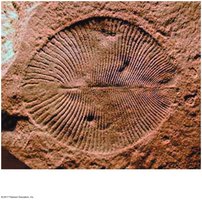
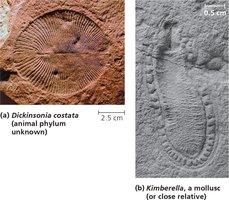
Additional info: The Ediacaran biota includes enigmatic, soft-bodied organisms, some of which may be early animals or close relatives.
Animal Body Plans
Symmetry
Animal body plans are characterized by their symmetry, which influences movement and sensory organ placement.
Radial Symmetry: Body parts arranged around a central axis (e.g., cnidarians). Suited for sessile or slow-moving organisms.
Bilateral Symmetry: Distinct dorsal, ventral, anterior, and posterior sides. Associated with active movement and cephalization (development of a head region).
Coelom (Body Cavity)
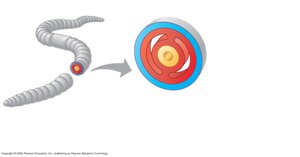
The coelom is a fluid- or air-filled cavity that separates the digestive tract from the outer body wall. It provides space for organ development and movement.
Coelomates: Animals with a true coelom, fully lined by mesoderm.
Acoelomates: Animals lacking a coelom.
Pseudocoelomates: Animals with a body cavity not completely lined by mesoderm.
Embryonic Tissue Development
During embryonic development, animals undergo a series of cell divisions (cleavage), forming a blastula, which then undergoes gastrulation to produce embryonic tissue layers (germ layers):
Ectoderm: Outer layer, forms skin and nervous system.
Endoderm: Inner layer, forms digestive tract lining.
Mesoderm: Middle layer (in triploblasts), forms muscles and organs.
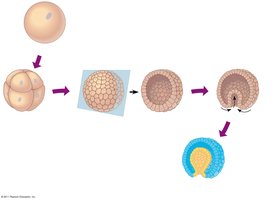
Additional info: Diploblastic animals (e.g., cnidarians) have two germ layers; triploblastic animals (most others) have three.
Protostome vs. Deuterostome Development
Animals are classified based on embryonic development:
Protostomes: Mouth develops from the blastopore; spiral, determinate cleavage; coelom forms from solid mesoderm masses.
Deuterostomes: Anus develops from the blastopore; radial, indeterminate cleavage; coelom forms from folds of the archenteron.
Examples: Molluscs and annelids are protostomes; echinoderms and chordates are deuterostomes.
Major Animal Phyla and Clades
Porifera (Sponges)
Sponges are simple, sessile animals lacking true tissues and organs. They are filter feeders and often hermaphroditic.
No true tissues or coelom
Filter feeders (suspension feeders)
Hermaphroditic reproduction
Cnidaria (Corals, Jellyfish, etc.)
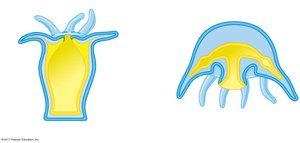
Cnidarians are diploblastic, radially symmetrical animals with a simple body plan consisting of a gastrovascular cavity. They alternate between polyp and medusa forms and possess specialized stinging cells (cnidocytes).
Diploblastic, radial symmetry, no coelom
Gastrovascular cavity with one opening
Simple nerve net and contractile cells
Sexual and asexual reproduction
Lophotrochozoa
This clade includes diverse phyla such as flatworms, molluscs, and annelids. Most are triploblastic, bilaterally symmetrical, and possess a coelom.
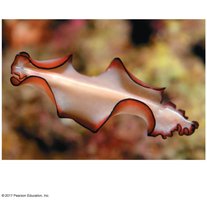
Flatworms (Platyhelminthes): Acoelomate, simple excretory system (protonephridia), some free-living, some parasitic.
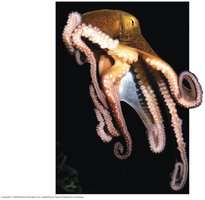
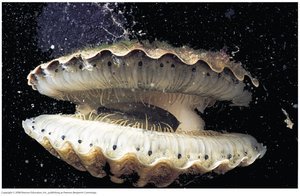
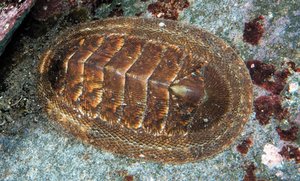
Molluscs: Includes snails, bivalves, octopuses; characterized by a muscular foot, visceral mass, and mantle.
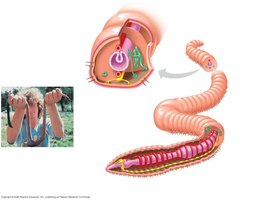
Annelids: Segmented worms with a true coelom and closed circulatory system.

Ecdysozoa
Ecdysozoans are defined by their ability to molt (ecdysis) their exoskeleton. The two largest phyla are nematodes and arthropods.
Nematodes: Roundworms with a pseudocoelom, unsegmented body.
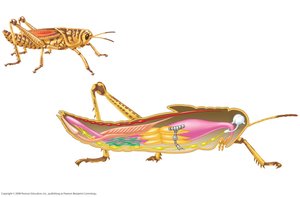
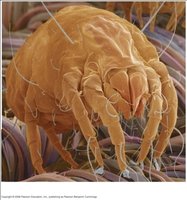
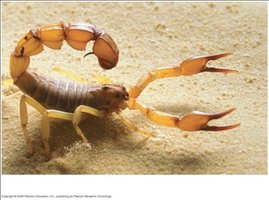
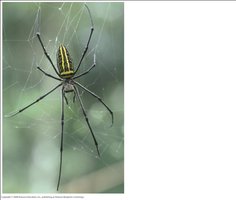
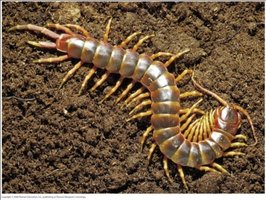
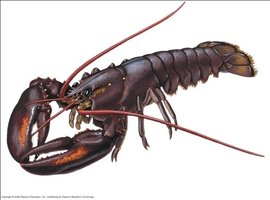
Arthropods: Segmented body, exoskeleton, jointed appendages. Includes insects, crustaceans, arachnids, and myriapods.
Deuterostomia
This superphylum includes echinoderms and chordates, united by shared developmental features.
Echinodermata
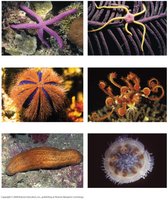
Echinoderms are marine animals with pentaradial symmetry as adults and a water vascular system. Major classes include sea stars, brittle stars, sea urchins, sand dollars, sea cucumbers, and crinoids.
Asteroidea: Sea stars and sea daisies
Echinoidea: Sea urchins and sand dollars
Holothuroidea: Sea cucumbers
Ophiuroidea: Brittle stars
Crinoidea: Feather stars and sea lilies
Chordata
Chordates possess, at some stage, a notochord, dorsal hollow nerve cord, pharyngeal slits, and a post-anal tail. Vertebrates are a subgroup with a backbone.
Notochord: Flexible rod for support
Dorsal, hollow nerve cord: Develops into the central nervous system
Pharyngeal slits: Openings for feeding or respiration
Post-anal tail: Muscular tail extending beyond the anus
Summary Table: Major Animal Clades and Features
Clade/Phylum | Symmetry | Germ Layers | Coelom | Key Features |
|---|---|---|---|---|
Porifera | None | None | None | No true tissues, filter feeders |
Cnidaria | Radial | 2 (diploblast) | None | Gastrovascular cavity, cnidocytes |
Lophotrochozoa | Bilateral | 3 (triploblast) | Varies | Flatworms, molluscs, annelids |
Ecdysozoa | Bilateral | 3 (triploblast) | Varies | Molting (ecdysis), nematodes, arthropods |
Deuterostomia | Bilateral (adults may be radial) | 3 (triploblast) | Coelomate | Echinoderms, chordates |
