 Back
BackOverview of Human Body Systems: Structure, Function, and Integration
Study Guide - Smart Notes
 Tailored notes based on your materials, expanded with key definitions, examples, and context.
Levels of Organization in the Human Body
From Cells to Organ Systems
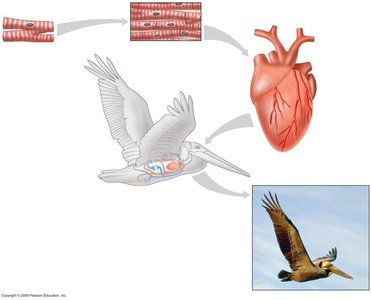
The human body is organized into a hierarchy of structural levels, each with specialized functions that contribute to the organism's survival and homeostasis.
Cellular Level: The basic unit of life; specialized cells (e.g., muscle cells) perform specific functions.
Tissue Level: Groups of similar cells form tissues (e.g., muscle tissue) that carry out particular tasks.
Organ Level: Different tissues combine to form organs (e.g., the heart), each with a unique function.
Organ System Level: Organs work together in organ systems (e.g., circulatory system) to perform complex functions.
Organism Level: Multiple organ systems function together to sustain the living organism.
Major Human Body Systems
Circulatory System
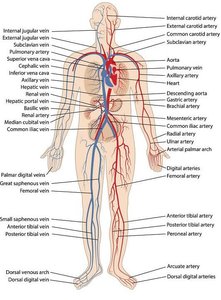
The circulatory system is essential for transporting substances throughout the body and maintaining homeostasis.
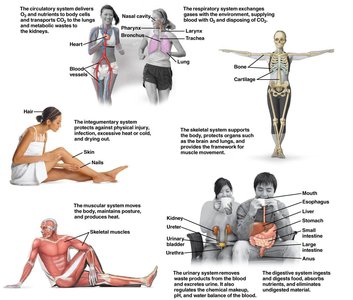
Main Functions: Delivers oxygen and nutrients to body cells, removes carbon dioxide and metabolic wastes, and helps regulate body temperature.
Key Structures: Heart, blood vessels (arteries, veins, capillaries), and blood.
Importance: Supports cellular respiration by supplying O2 and nutrients needed for ATP production.
Respiratory System
The respiratory system enables gas exchange between the body and the environment, working closely with the circulatory system.
Main Functions: Supplies blood with oxygen and removes carbon dioxide.
Key Structures: Nasal cavity, larynx, trachea, bronchi, lungs, alveoli.
Process: Oxygen diffuses into blood at alveoli; carbon dioxide diffuses out to be exhaled.
Integumentary System
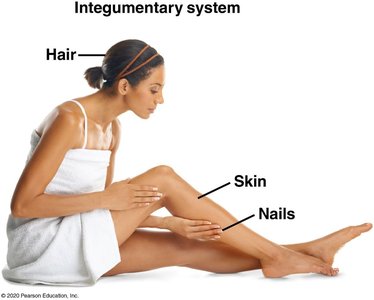
The integumentary system forms the body's outer covering and provides protection.
Main Functions: Protects against physical injury, infection, dehydration, and helps regulate body temperature.
Key Structures: Skin, hair, nails.
Homeostasis: Involves sweating for cooling and shivering for heat production.
Digestive System
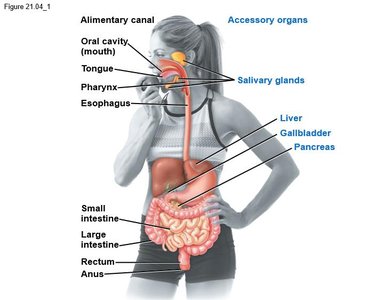
The digestive system processes food to extract and absorb nutrients, and eliminates undigested material.
Main Functions: Ingestion, mechanical and chemical digestion, absorption, elimination.
Key Structures: Mouth, esophagus, stomach, small and large intestines, rectum, anus; accessory organs include liver, pancreas, gallbladder.
Enzymes: Chemical digestion relies on hydrolytic enzymes to break down macromolecules.
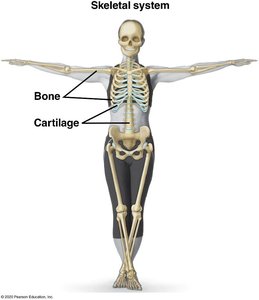
Skeletal System
The skeletal system provides structural support, protects vital organs, and enables movement.
Main Functions: Supports the body, protects organs (e.g., skull protects brain, ribcage protects heart and lungs), serves as a framework for muscle attachment and movement.
Key Structures: Bones, cartilage, bone marrow (site of blood cell production).
Muscular System
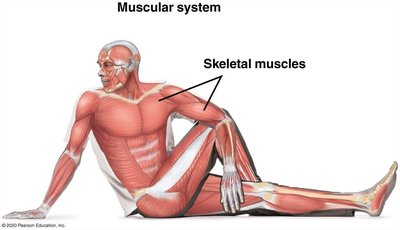
The muscular system is responsible for movement, posture, and heat production.
Main Functions: Moves the body, maintains posture, generates heat for temperature regulation.
Key Structures: Skeletal muscles (work with skeletal and nervous systems).
Endocrine System
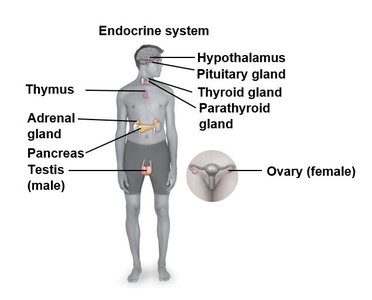
The endocrine system regulates body activities by secreting hormones into the bloodstream, maintaining internal balance (homeostasis).
Main Functions: Secretes hormones that regulate metabolism, growth, reproduction, and other processes.
Key Structures: Hypothalamus, pituitary gland, thyroid gland, parathyroid glands, adrenal glands, pancreas, ovaries, testes.
Transport: Hormones are transported via the circulatory system.
Nervous System
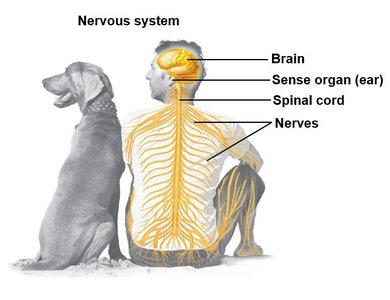
The nervous system coordinates body activities by detecting stimuli, processing information, and directing responses.
Main Functions: Senses environmental changes, integrates information, and generates rapid responses.
Key Structures: Brain, spinal cord, nerves, sense organs.
Comparison: Works faster than the endocrine system but effects are usually shorter-lived.
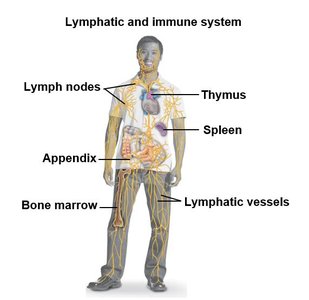
Lymphatic and Immune Systems
The lymphatic system returns excess fluid to the circulatory system and is integral to immune defense. The immune system protects against infections and cancer.
Main Functions: Maintains fluid balance, defends against pathogens, removes cellular debris.
Key Structures: Lymph nodes, lymphatic vessels, spleen, thymus, bone marrow, appendix.
Immune Response: White blood cells (WBCs) in lymph nodes fight infection and cause inflammation.
Reproductive System
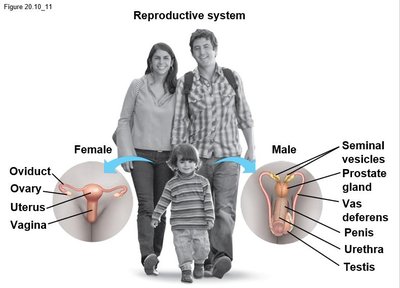
The reproductive system produces gametes and sex hormones. In females, it also supports embryo development and milk production.
Main Functions: Production of sperm and eggs, secretion of sex hormones, support of embryonic development (female), and lactation.
Key Structures: Male: testes, vas deferens, prostate gland, penis; Female: ovaries, oviducts, uterus, vagina.
Regulation: Strongly influenced by the endocrine system.
Urinary (Excretory) System
The urinary system removes waste products from the blood, excretes urine, and regulates the chemical composition, pH, and water balance of the blood.
Main Functions: Filtration of blood, removal of nitrogenous wastes, regulation of pH and water balance.
Key Structures: Kidneys, ureters, urinary bladder, urethra.
Homeostasis: Maintains internal environment by excreting excess ions and water.
Summary Table: Human Body Systems
The following table summarizes the general functions and important structures of each major body system.
Body System | General Function | Important Structures |
|---|---|---|
Circulatory/Cardiovascular | Transports oxygen, nutrients, and wastes | Heart, blood vessels, blood |
Respiratory/Gas Exchange | Exchanges gases with environment | Lungs, trachea, nasal cavity |
Excretory/Urinary | Removes wastes, regulates pH and water balance | Kidneys, bladder, urethra |
Endocrine | Secretes hormones for regulation | Pituitary gland, thyroid, adrenal glands, pancreas, gonads |
Nervous | Senses stimuli, coordinates responses | Brain, spinal cord, nerves |
Immune/Lymphatic | Defends against infection, maintains fluid balance | Lymph nodes, spleen, thymus, bone marrow |
Digestive | Breaks down food, absorbs nutrients | Mouth, esophagus, stomach, intestines, liver, pancreas |
Integumentary | Protects body, regulates temperature | Skin, hair, nails |
Muscular/Skeletal | Movement, support, protection | Muscles, bones, cartilage |
Reproductive | Produces gametes, supports development | Ovaries, testes, uterus, penis, vagina |
Integration of Body Systems
All body systems work together to maintain homeostasis and ensure the survival of the organism. For example, the circulatory and respiratory systems cooperate to deliver oxygen to tissues, while the nervous and endocrine systems coordinate responses to internal and external changes.
Additional info: Homeostasis is the maintenance of a stable internal environment, which is essential for optimal cellular function and overall health.
