 Back
Backparasite lec 9
Study Guide - Smart Notes
 Tailored notes based on your materials, expanded with key definitions, examples, and context.
Parasite-Host Evolution
Introduction to Parasite-Host Evolution
Parasite-host evolution explores the dynamic relationships between parasites and their hosts, focusing on how both parties adapt and co-evolve over time. This field is crucial for understanding biodiversity, disease transmission, and evolutionary biology.
Coevolution and Host-Switching
Parasite-Host Co-Adaptation
Coevolution refers to the reciprocal evolutionary changes that occur between interacting species, such as parasites and their hosts. Host-switching occurs when a parasite shifts from its typical host species to a new one, which can lead to new evolutionary trajectories.
Ophiocordyceps (fungi): Exhibits host specificity, with single species containing multiple host-specific strains. Occasionally infects other ant species, often resulting in poor parasite reproduction due to premature host death.
Spilopsyllus cuniculi (rabbit flea): Demonstrates physiological dependence on the hormones of the female rabbit host, leading to high host specificity. Fleas reproduce in synchrony with rabbit reproductive cycles and occasionally infest other mammals and birds.
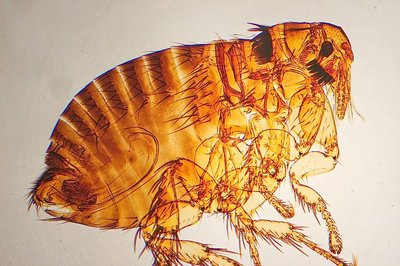
Specificity in Parasite-Host Relationships
Specificity describes how narrowly a parasite targets its host(s). It can range from broad (multiple species or genera) to narrow (one-to-one species or even population-level specificity).
Phylogenetic concept: Specificity is often analyzed by comparing the evolutionary trees (phylogenies) of hosts and parasites.
Specificity hypothesis: Greater dependence on a host is expected to result in narrower specificity, as specialization increases.
Co-speciation
Definition and Patterns
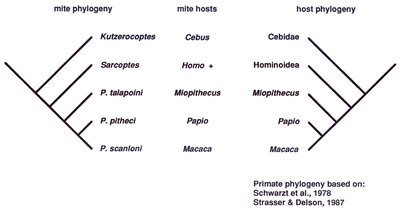
Co-speciation occurs when a parasite speciates in tandem with its host, resulting in parallel evolutionary trees. This pattern is most common in permanent parasites with direct life cycles and poor dispersal abilities.
Geomydoecus lice and pocket gophers: Classic example of co-speciation, though host-switching and phylogenetic uncertainty can complicate the pattern.
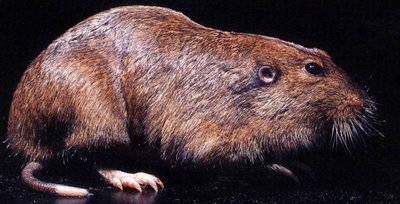
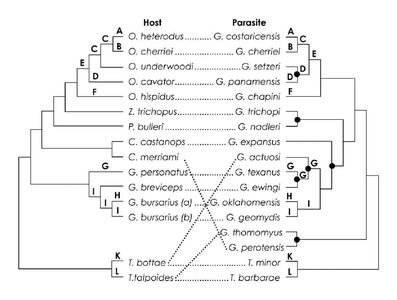
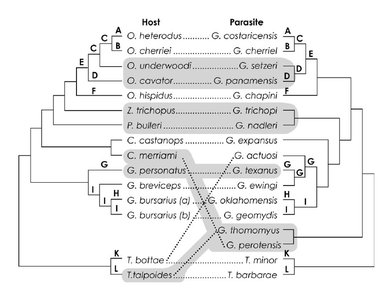
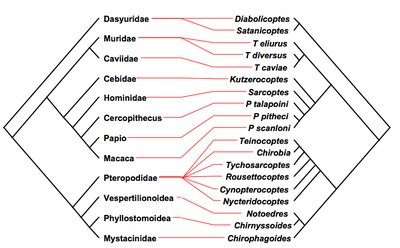
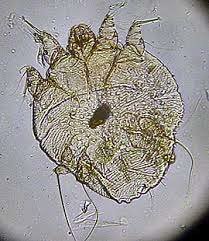
Sarcoptid mites: Associated with mammals for a long evolutionary period, showing evidence of co-speciation.
Factors Affecting Co-speciation
Direct life cycles (single host)
Permanency on host
Poor dispersal capabilities
Arthropod parasites are common candidates
Parasite Life Cycles and Host Specificity
Enterobius (Pinworms)
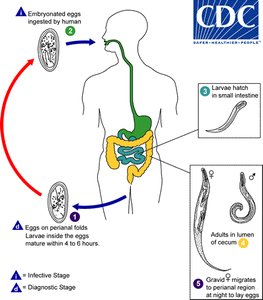
Pinworms are nematodes with direct life cycles, infecting hosts through ingestion of eggs. They exhibit high host specificity and rapid life cycles.
Life cycle: Eggs are ingested, larvae hatch in the intestine, and adults reproduce in the colon. Females lay thousands of eggs, completing the cycle in about one month.
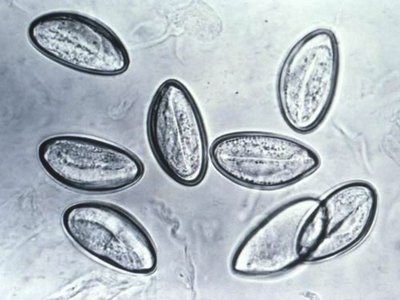
Phylogenetic Patterns and Host Associations
Phylogenetic Matching and Divergence
Comparing host and parasite phylogenies reveals patterns of co-speciation, host switching, duplication (parasite speciation without host speciation), and extinction.
Perfect matches indicate co-speciation.
Mismatches may result from host switching, parasite duplication, or extinction events.
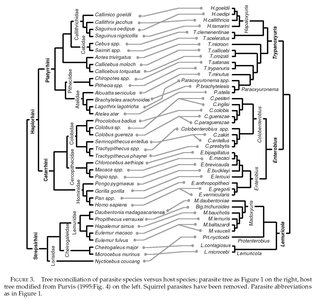
Host Switching
Mechanisms and Consequences
Host switching is common in parasites with non-permanent associations or indirect life cycles. It can lead to new host-parasite associations, sometimes resulting in speciation.
Micro-predators: Mosquitoes and ticks often switch hosts, sometimes preferring certain species but capable of feeding on a range of hosts.
Parasitoids: Generalist parasitoids can adapt to new hosts, though initial reproductive success may be reduced.
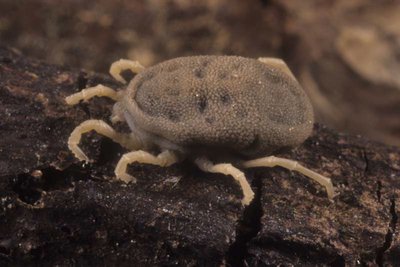
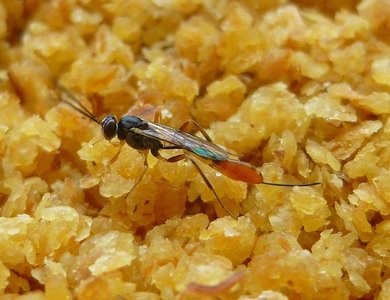
Outcomes of Host Switching
Most host switches result in parasite death.
Some may cause host death or failed reproduction.
Rarely, successful reproduction in a new host leads to new host associations and potential speciation.
Case Studies in Host-Parasite Evolution
Corallorhiza wisteriana and Fungal Hosts
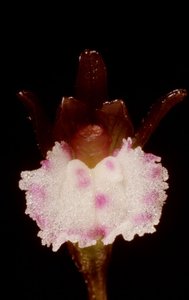
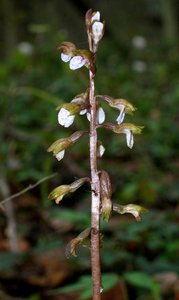
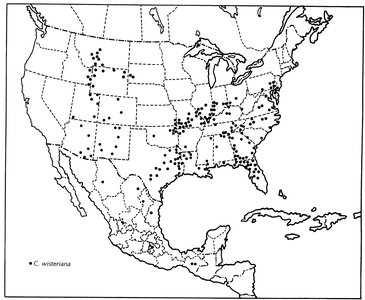
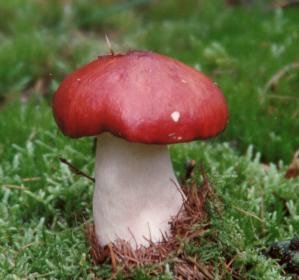
The orchid Corallorhiza wisteriana associates with different fungal families in eastern (Russulaceae) and western (Thelephoraceae) populations, illustrating host shifts and geographic variation in host associations.
Summary Table: Types of Host-Parasite Evolutionary Events
Event Type | Description | Example |
|---|---|---|
Co-speciation | Parallel speciation of host and parasite | Geomydoecus lice and pocket gophers |
Host Switching | Parasite shifts to a new host species | Ornithodoros turicata tick |
Duplication | Parasite speciates without host speciation | Chirodiscid mites on beavers |
Extinction | Loss of parasite or host lineage | Not specified |
Conclusion
Parasite-host evolution is shaped by coevolution, specificity, co-speciation, and host switching. These processes contribute to the diversity of life and have significant implications for ecology, evolution, and disease dynamics.
