 Back
Backparasite lec 16
Study Guide - Smart Notes
 Tailored notes based on your materials, expanded with key definitions, examples, and context.
Parasites and Evolution
Introduction to the Positive Roles of Parasites
While parasites are often viewed negatively due to their association with disease, they also provide significant benefits to humans and ecosystems. This section explores the positive aspects of parasites, including their use in biological control, ecosystem services, and medical applications.
Biocontrol: Parasites as Natural Pest Regulators
Parasitoids and Pest Management
Biocontrol refers to the use of natural enemies, such as predators, parasitoids, or pathogens, to control pest populations.
Most pest species are naturally regulated by these organisms, but monocultures can disrupt this balance, leading to pest outbreaks.
Biocontrol strategies include promoting native parasitoids or introducing alien parasitoids to control invasive pests.
Examples include parasitoid wasps used against the cassava mealy bug and the emerald ash borer.
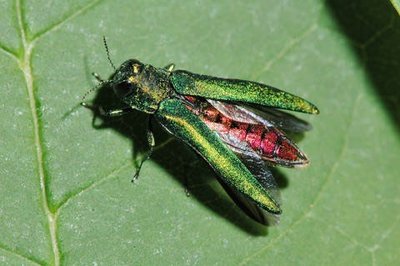
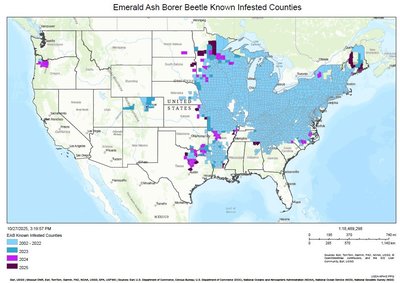
Emerald Ash Borer (EAB) is an invasive beetle native to Asia and Russia, first detected in Michigan in 2002. It has since spread to 35 states, causing extensive damage to ash trees in the U.S.
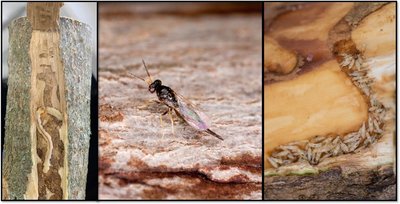
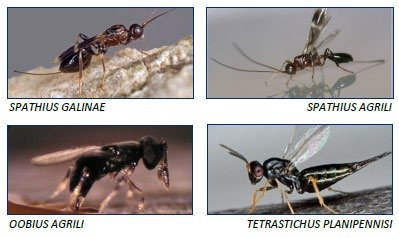
Biocontrol efforts now focus on using parasitoid wasps from Asia, which are reared in large numbers and have shown success in reducing EAB populations.
Biocontrol of Brown Marmorated Stink Bug
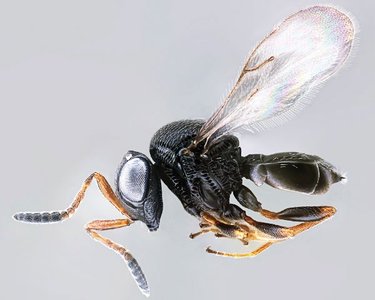
The Samurai Wasp (Trissolcus spp.) is a natural parasitoid of the brown marmorated stink bug, an invasive pest in the U.S.
This wasp has established populations naturally and is being considered for biocontrol without the need for stringent regulations.
Minor Positives of Parasites
Forensic Applications
Parasites can be used in forensic science to determine the origin of confiscated wildlife or wildlife products.
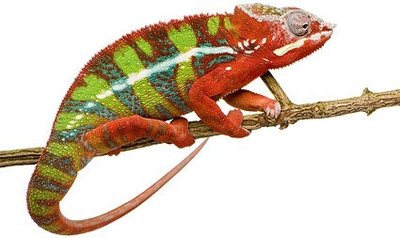
For example, the presence of a specific nematode in a chameleon indicated it was poached rather than captive-bred.
Ecosystem Services Provided by Parasites
Ecological Roles
Parasites contribute to ecosystem functioning by influencing food webs and nutrient cycling.
Examples include gordian worms making crickets available as food for fish, and flukes in New Zealand cockles creating habitats for other organisms.
Some worms act as filters for heavy metals, improving environmental quality.
Parasite Diversity and Ecosystem Health
High parasite diversity is often correlated with healthier ecosystems and decreased morbidity in host populations (e.g., frogs).
The dilution effect describes how increased biodiversity can lower infection rates, as seen with ticks and Lyme disease.
Host Protection and Parasite Interactions
Parasite-Mediated Host Protection
Some parasites can protect hosts by reducing susceptibility or virulence of other parasites, conferring resistance or tolerance.
Mathematical models show that such protective relationships can evolve under various conditions, even if the protective parasite incurs a cost.
Medical Applications of Parasites
Traditional and Modern Uses
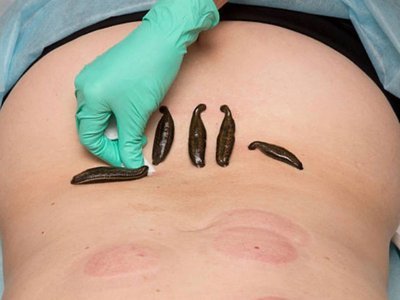
Leeches have been used in medicine for bloodletting, based on the ancient theory of humors (blood, yellow bile, black bile, phlegm).
Modern medicine uses leeches to reduce swelling and improve blood flow in cases of venous congestion.

Parasites and Autoimmune Diseases
Infection with certain parasites, especially worms (helminths), is associated with lower rates of autoimmune diseases such as multiple sclerosis, Crohn's disease, and type 1 diabetes.
Lower rates of asthma and allergies are also observed in populations with higher parasite exposure.
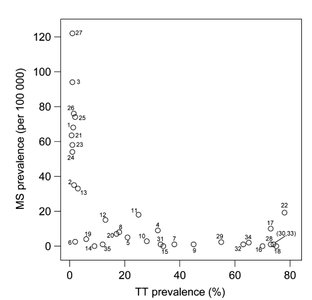
The Hygiene and Old Friends Hypotheses
The Hygiene Hypothesis suggests that reduced exposure to infectious agents and parasites in early life increases susceptibility to allergic and autoimmune diseases.
The Old Friends Hypothesis refines this idea, proposing that humans co-evolved with certain microbes and helminths, and their absence leads to immune system dysregulation.
Chronic infections with "old friends" may have become necessary for proper immune function.
Inflammaging and Age-Related Diseases
Inflammaging is a state of chronic, low-grade inflammation that increases with age and contributes to diseases such as cardiovascular disease, dementia, and cancer.
Helminth therapy in animal models has shown potential to reduce inflammaging and related pathologies.
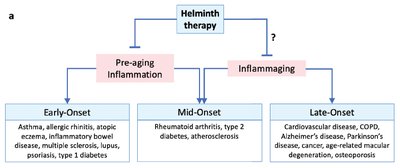
Therapies Based on Parasite Exposure
Therapies inspired by the hygiene and old friends hypotheses include probiotics, fecal transplants, and helminth therapy (deliberate infection with worms or worm eggs).
Species used in experimental helminth therapy include Trichuris suis and Necator americanus.
Clinical trials show generally positive results with few safety concerns, and research is ongoing into worm-derived molecules for therapy.
Helminth Excretory/Secretory (ES) Molecules
Helminth ES molecules, including proteins and lipids, modulate immune responses by activating regulatory pathways and mimicking host proteins.
These molecules are being studied for their potential to treat inflammatory and autoimmune diseases.
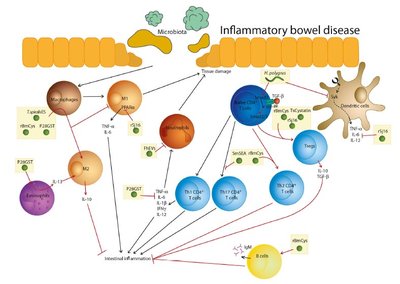
Helminths and Type 1 Diabetes
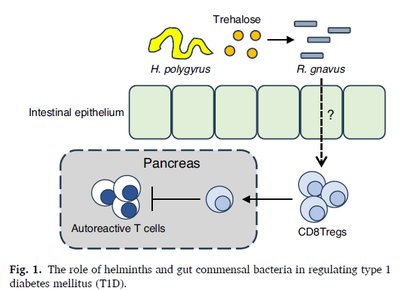
Helminths may influence the onset of type 1 diabetes by altering the gut microbiome and immune regulation.
Animal models show that worm therapy can suppress diabetes onset and restore healthy microbiome composition.
Parasite Decline with Urbanization
Urbanization is associated with a decline in soil-transmitted helminths but not intestinal protozoans, with both linked to higher gut bacterial diversity.
Changes in diet and environment may shift gut microbiome patterns, impacting health.
Potential Negatives of Parasite Infection
Some parasites can reduce vaccine efficacy or worsen other infections (e.g., Schistosoma and hepatitis C).
Children with blood fluke infections may experience less severe malaria but are more likely to contract it.
Balancing Hygiene and Health
Current hygiene practices have greatly reduced infectious diseases, and their benefits outweigh the negatives of losing "old friends."
Research on the hygiene hypothesis may lead to improved treatments for autoimmune diseases, but extreme cleanliness may not always be necessary.
