 Back
BackParasites lec 13
Study Guide - Smart Notes
 Tailored notes based on your materials, expanded with key definitions, examples, and context.
Parasites and Evolution
Broader Parasite Interactions
Parasites interact with hosts and other organisms in complex ways, influencing evolutionary processes and ecological dynamics. Some organisms, known as defensive symbionts, can protect their hosts from parasites and predators, forming mutualistic relationships.
Defensive Symbionts: Organisms that provide protection to their partners from enemies, including parasites and predators. This relationship is termed protection mutualism.
Cleaner Relationships: Examples include species that remove parasites from other organisms, benefiting both parties.
Example: Oxpecker Birds and Ungulates
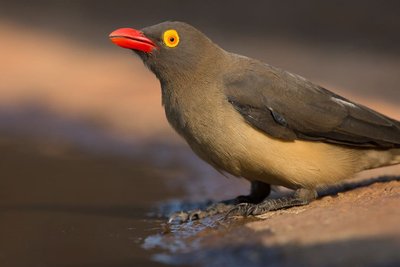
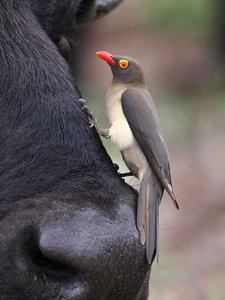
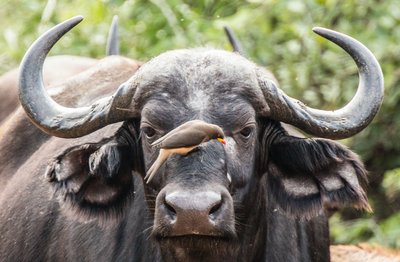
Oxpecker birds are known for their association with large mammals (ungulates) in Africa, where they consume ticks and other ectoparasites from their hosts. Although oxpeckers also feed on blood and tissue, studies suggest their primary role is parasite removal, classifying the relationship as mutualistic.
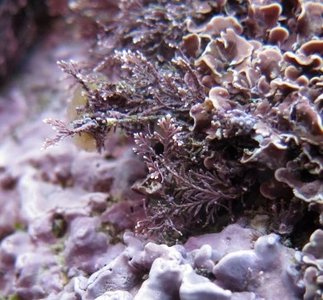
Example: Seagrasses and Coralline Algae
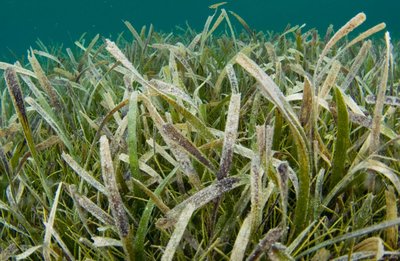
Seagrasses such as Thalassia (Turtle Grass) are grazed by sea turtles. However, when seagrasses are colonized by coralline algae, grazing by turtles is reduced, demonstrating how interactions with other organisms can mediate parasitism and herbivory.
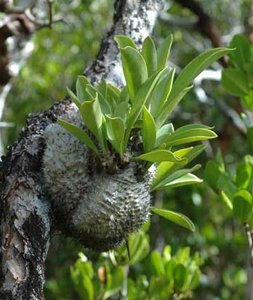
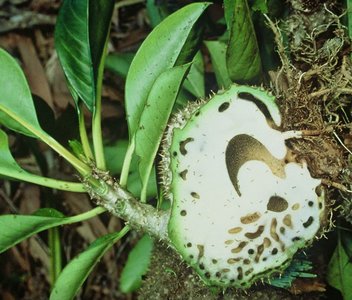
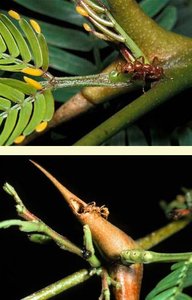
Example: Ant Plants
Certain plants, such as Myrmecodia and Acacia, form mutualistic relationships with ants. The plants provide shelter and sometimes food, while ants defend the plant from herbivores and parasites.
Parasitism: Success or Dead End?
Evaluating Success in Parasitic Lineages
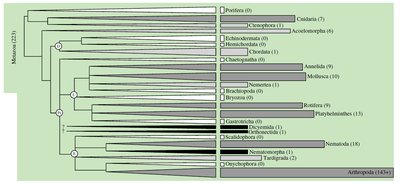
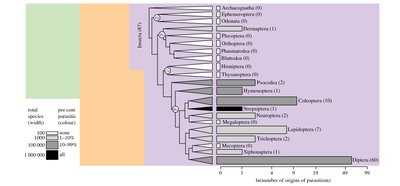
Success in evolutionary terms can be measured by several parameters, including species diversity, lineage longevity, spatial distribution, resource dominance, and ecological dominance. While parasitism is widespread, its distribution across the tree of life is uneven.
Species Diversity: Some estimates suggest that up to half of all species may be parasitic.
Lineage Longevity and Distribution: Not all parasitic lineages are equally successful or long-lived.
Origins and Diversity of Parasites Across Animal Taxa
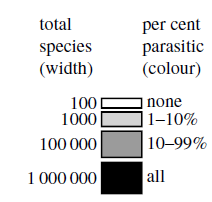
Phylogenetic studies reveal multiple independent origins of parasitism across animal groups, with varying degrees of success and diversification.
Case Study: Orchids as Parasites
Orchid Parasitism and Evolutionary Outcomes
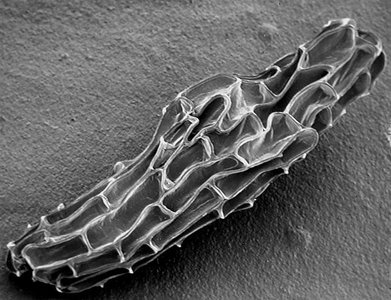
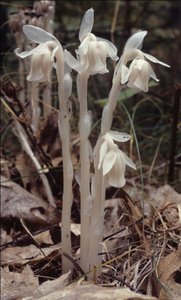
Orchids exhibit a range of parasitic strategies, particularly during their seedling stage when they rely on mycorrhizal fungi for germination and early growth. Some orchids transition to full parasitism (holoparasitism), losing their leaves and photosynthetic ability.
Seedling Parasitism: Most orchids are highly successful when parasitic only as seedlings.
Holoparasitism: Fully parasitic orchids (holomycotrophs) are less diverse and less successful in the long term.
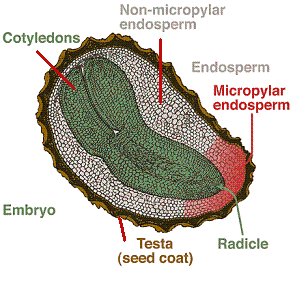
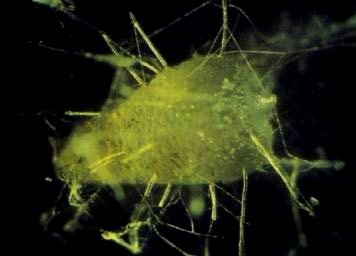
Green vs. Non-Green Orchids
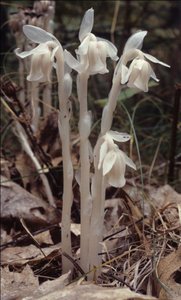
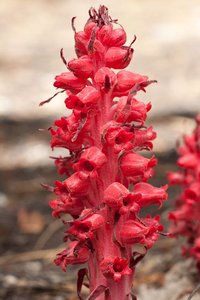
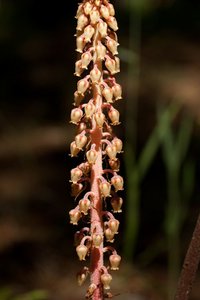
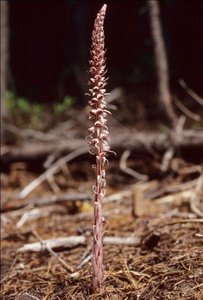
Green orchids retain photosynthetic ability, while non-green (leafless) orchids are fully dependent on fungal hosts for nutrition. The transition to lifelong parasitism has occurred multiple times but rarely leads to large, diverse groups.
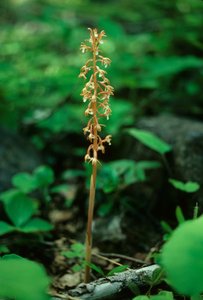
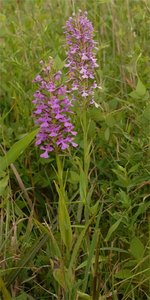
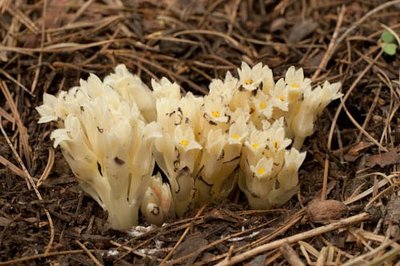
Cheaters: Parasites on a Mutualism
Some leafless orchids parasitize ectomycorrhizal mutualisms, effectively acting as 'cheaters' by exploiting the mutualistic relationship between fungi and other plants.
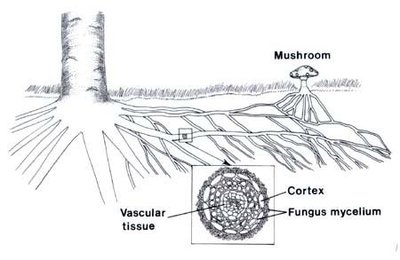
Orchid Diversity and Phylogeny
Orchids are one of the largest plant families, with about 30,000 species. However, fully parasitic (leafless) orchids represent a tiny fraction of this diversity, with no large, successful holoparasitic clades.
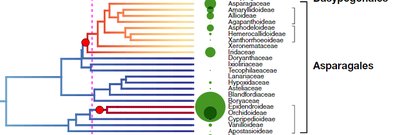
Comparison with Other Parasitic Plant Groups
Other parasitic plant groups, such as mistletoes (Viscaceae and Loranthaceae) and Orobanchaceae, have achieved greater species diversity and ecological success compared to holoparasitic orchids.
Mistletoes: Viscaceae (~520 spp.), Loranthaceae (~950 spp.)
Orobanchaceae: ~230 holoparasitic root parasites
Phylogenetic Relationships and Diversification
Phylogenetic studies suggest that ecological limitations may restrict diversification in some parasitic groups (e.g., monotropoids), while others (e.g., arbutoids) diversify more freely.
Evolutionary Dynamics of Antagonistic and Mutualistic Relationships
Longevity of Interactions
Comparative studies indicate that mutualistic associations tend to be older and more stable than antagonistic (predatory or parasitic) interactions, especially in non-animal groups. In animals, antagonistic interactions may persist longer due to their heterotrophic nature.
Type of Interaction and Diversification
The type of ecological interaction influences diversification rates. Positive interactions (mutualisms) generally promote diversification, while negative interactions (parasitism, predation) may constrain it. However, patterns can be ambiguous in animals.
Summary Table: Comparison of Parasitic Plant Groups
Group | Type of Parasitism | Species Diversity | Notes |
|---|---|---|---|
Orchids (holoparasitic) | Fungal (mycorrhizal) | <1% of family (~250 spp.) | Multiple independent origins, small clades |
Mistletoes (Viscaceae) | Stem parasite | ~520 spp. | Widespread, diverse |
Mistletoes (Loranthaceae) | Stem parasite | ~950 spp. | Widespread, diverse |
Orobanchaceae | Root parasite | ~230 spp. | Holoparasitic, root-based |
Additional info: The evolutionary success of parasitism depends on ecological context, host availability, and the stability of the parasitic relationship. Holoparasitism in orchids may be limited by the instability of fungal hosts or other ecological constraints.
