 Back
Patterns of Inheritance: Mendelian and Non-Mendelian Genetics
Study Guide - Smart Notes
 Tailored notes based on your materials, expanded with key definitions, examples, and context.
Patterns of Inheritance
Introduction to Genetics
Genetics is the scientific study of heredity, focusing on how traits are transmitted from one generation to the next. The foundational principles of genetics were established by Gregor Mendel through his experiments with pea plants, which led to the formulation of Mendel's Laws of Inheritance.
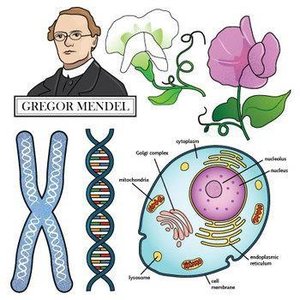
Mendel’s Laws
Historical Background and Early Theories
Before Mendel, two main hypotheses attempted to explain inheritance:
Pangenesis (Hippocrates): Suggested that particles from all parts of the body are transmitted to offspring. This idea was later rejected.
Blending Hypothesis: Proposed that parental traits mix in offspring, like blending paint. This was also disproven by Mendel’s experiments.
Mendel’s Experiments and Key Terms
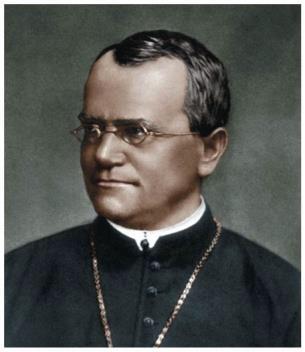
Mendel used pea plants to study inheritance, focusing on observable traits (characters) such as flower color and seed shape. He identified that traits are determined by discrete units called genes, which exist in alternative forms known as alleles.
Heredity: Transmission of traits from parents to offspring.
True-breeding: Organisms that produce offspring identical to themselves when self-fertilized.
Hybrid: Offspring of two different true-breeding varieties.
P generation: Parental generation.
F1 generation: First filial generation (offspring of P generation).
F2 generation: Second filial generation (offspring of F1 self-fertilization or crossing).

Mendel’s Experimental Method
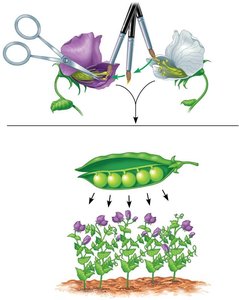
Mendel performed controlled crosses between pea plants, removing stamens to prevent self-fertilization and transferring pollen manually. He observed the resulting offspring for several generations.
Characters and Traits Studied by Mendel
Mendel studied seven characters, each with two contrasting traits (e.g., purple vs. white flowers, round vs. wrinkled seeds).
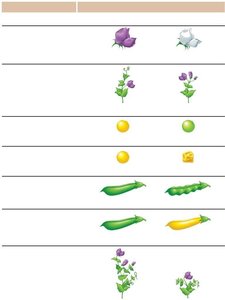
Mendel’s Law of Segregation
This law states that allele pairs separate (segregate) during gamete formation, so each gamete carries only one allele for each gene. When gametes unite during fertilization, offspring inherit one allele from each parent.
Homozygous: Two identical alleles for a gene (e.g., PP or pp).
Heterozygous: Two different alleles for a gene (e.g., Pp).
Dominant allele: Expressed in the phenotype if present.
Recessive allele: Masked in the presence of a dominant allele.
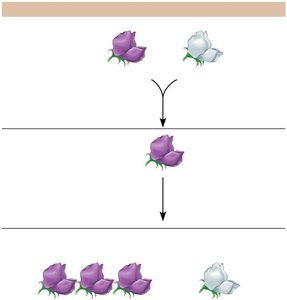
Punnett Square and Ratios
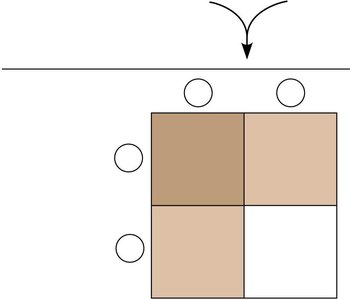
A Punnett square predicts the possible combinations of alleles in offspring. In a monohybrid cross (Pp × Pp), the phenotypic ratio is 3:1 (dominant:recessive), and the genotypic ratio is 1:2:1 (PP:Pp:pp).
Gene Loci and Chromosomes
Genes are located at specific positions (loci) on chromosomes. Homologous chromosomes carry alleles for the same genes.
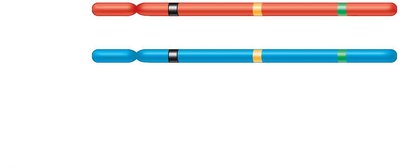
Mendel’s Law of Independent Assortment
This law states that alleles of different genes assort independently during gamete formation. Dihybrid crosses (e.g., RrYy × RrYy) demonstrate this principle, resulting in a 9:3:3:1 phenotypic ratio in the F2 generation.
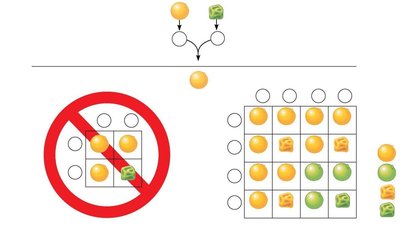
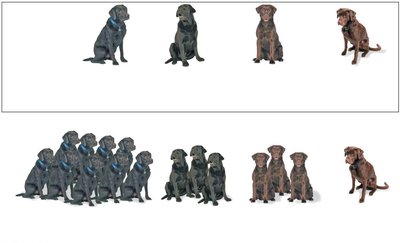
Application Example: Labrador Retrievers
Coat color and vision in dogs can be studied using dihybrid crosses, illustrating independent assortment and phenotypic ratios.
Testcross
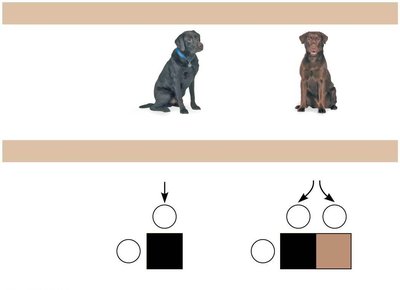
A testcross is used to determine the genotype of an individual with a dominant phenotype by crossing it with a homozygous recessive individual. The offspring phenotypes reveal the unknown genotype.
Human Genetics and Pedigrees
Pedigree Analysis
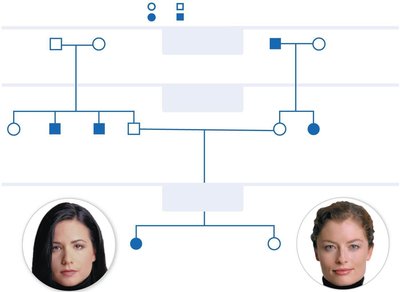
Pedigrees are family trees that track the inheritance of traits across generations, helping to determine genotypes and inheritance patterns of genetic disorders.
Autosomal Recessive and Dominant Disorders
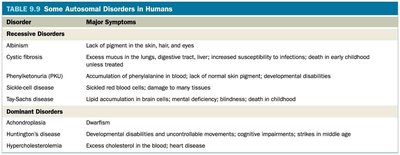
Many human disorders are inherited as simple Mendelian traits. Recessive disorders (e.g., albinism, cystic fibrosis) often appear in offspring of carrier parents. Dominant disorders (e.g., achondroplasia, Huntington’s disease) require only one copy of the mutant allele to be expressed.
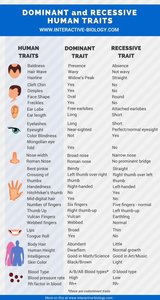
Dominant and Recessive Human Traits
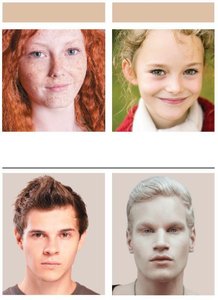
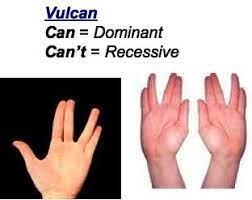
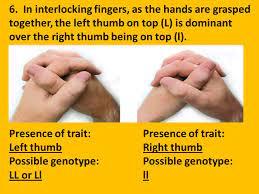
Traits such as freckles, widow’s peak, and albinism are controlled by single genes with dominant and recessive alleles.
Examples of Genetic Disorders
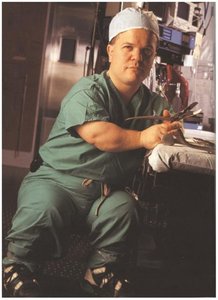
Achondroplasia: A form of dwarfism (dominant disorder).
Syndactyly: Webbed fingers or toes (dominant disorder).
Polydactyly: Extra fingers or toes (dominant disorder).
Genetic Testing and Fetal Screening
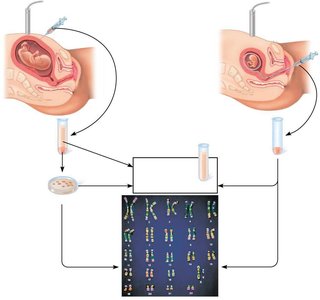
Modern technologies such as carrier screening, amniocentesis, chorionic villus sampling (CVS), and ultrasound imaging provide information about genetic disorders before birth.
Variations on Mendel’s Laws
Incomplete Dominance
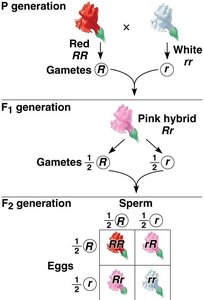
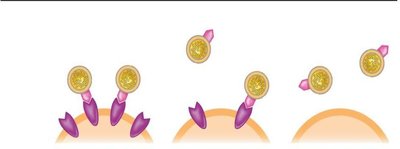
In incomplete dominance, the heterozygote displays an intermediate phenotype between the two homozygotes (e.g., red × white flowers produce pink offspring).
Multiple Alleles and Codominance
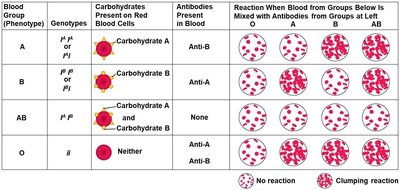
Some genes have more than two alleles. The ABO blood group system in humans is controlled by three alleles (IA, IB, i), with IA and IB being codominant.
Pleiotropy
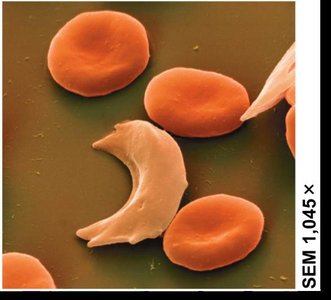
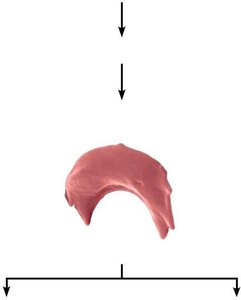
Pleiotropy occurs when one gene influences multiple phenotypic traits. Sickle-cell disease is a classic example, affecting hemoglobin structure, red blood cell shape, and causing multiple health issues.
Polygenic Inheritance
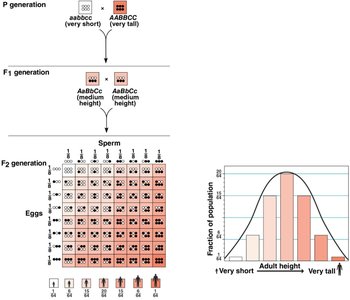
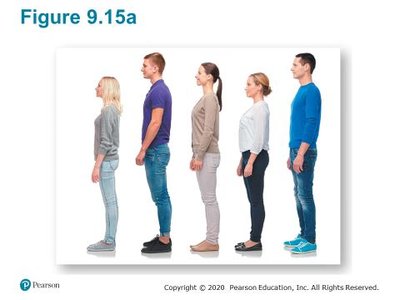
Polygenic inheritance involves multiple genes contributing to a single trait, resulting in continuous variation (e.g., human skin color, height).
Environmental Effects
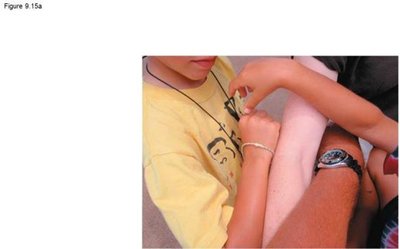
Many traits are influenced by both genetic and environmental factors, leading to a range of phenotypes (e.g., skin color affected by sun exposure).

The Chromosomal Basis of Inheritance
Chromosome Theory of Inheritance
This theory states that genes are located on chromosomes, which segregate and assort independently during meiosis, providing a physical basis for Mendel’s laws.
Linked Genes and Crossing Over
Genes located close together on the same chromosome (linked genes) tend to be inherited together. Crossing over during meiosis can separate linked genes, producing recombinant offspring. The frequency of recombination can be used to map gene loci on chromosomes.
Sex Chromosomes and Sex-Linked Genes
Sex Determination
In humans, sex is determined by the combination of sex chromosomes: XX for females and XY for males. The Y chromosome carries genes necessary for male development. Other organisms may use different systems or environmental cues for sex determination.
Sex-Linked Inheritance
Genes located on sex chromosomes (especially the X chromosome) exhibit unique inheritance patterns. X-linked recessive disorders are more common in males, as they have only one X chromosome.
Y Chromosome and Human Evolution
The Y chromosome is passed from father to son with little recombination, making it useful for tracing paternal ancestry and studying human evolution.
Summary Table: Key Genetic Concepts
Concept | Definition | Example |
|---|---|---|
Law of Segregation | Allele pairs separate during gamete formation | Monohybrid cross (3:1 ratio) |
Law of Independent Assortment | Alleles of different genes assort independently | Dihybrid cross (9:3:3:1 ratio) |
Incomplete Dominance | Heterozygote shows intermediate phenotype | Pink flowers from red × white |
Codominance | Both alleles expressed in heterozygote | AB blood type |
Pleiotropy | One gene affects multiple traits | Sickle-cell disease |
Polygenic Inheritance | Multiple genes affect one trait | Skin color, height |
Sex-linked Inheritance | Gene located on sex chromosome | Hemophilia, color blindness |
Key Equations
Probability of independent events (rule of multiplication):
Probability of mutually exclusive events (rule of addition):
Recombination frequency:
Conclusion
The study of inheritance patterns, from Mendel’s foundational laws to modern understandings of gene interaction and chromosomal behavior, provides a framework for understanding genetic diversity, human disease, and evolutionary processes.
