 Back
Photosynthesis and Energy Transformation: Study Notes for General Biology
Study Guide - Smart Notes
 Tailored notes based on your materials, expanded with key definitions, examples, and context.
Photosynthesis: Overview and Cellular Context
Structure and Function of Chloroplasts
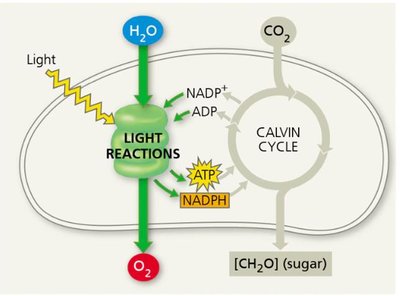
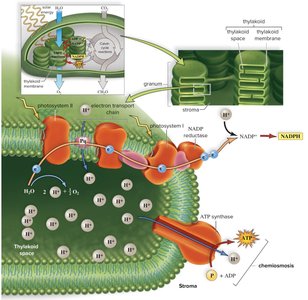
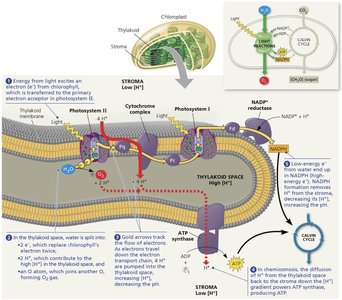
Chloroplasts are the organelles responsible for photosynthesis in plants and algae. They contain internal membrane structures called thylakoids, which house the molecular machinery for capturing light energy and converting it into chemical energy. - Chloroplasts are found in plant cells and are the site of photosynthesis. - Thylakoid membranes contain pigments and proteins essential for light reactions. - Stroma is the fluid surrounding thylakoids where the Calvin cycle occurs. 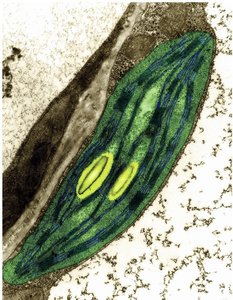
Energy Transformation: Redox Reactions
Energy transformation in biological systems often involves redox (reduction-oxidation) reactions, where electrons are transferred from one molecule to another. The direction and favorability of electron flow are determined by the standard reduction potential. - Electron donors with higher reduction potential transfer electrons to acceptors with lower potential. - Energetically favorable electron flow is essential for processes like cellular respiration and photosynthesis. - NADH and glucose are common electron donors in metabolism. 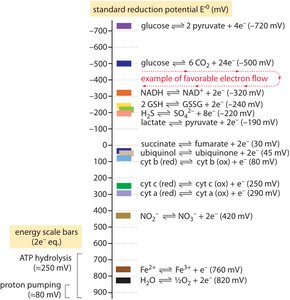
Photosynthesis: Mechanism and Steps
Photosynthesis vs. Cellular Respiration
Photosynthesis and cellular respiration are complementary processes. Photosynthesis converts light energy, water, and carbon dioxide into glucose and oxygen, while cellular respiration breaks down glucose to produce ATP, carbon dioxide, and water. - Photosynthesis: Light + CO2 + H2O → Glucose + O2 - Cellular Respiration: Glucose + O2 → CO2 + H2O + ATP 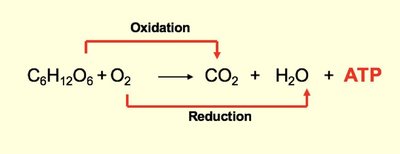
Types of Organisms: Energy and Carbon Sources
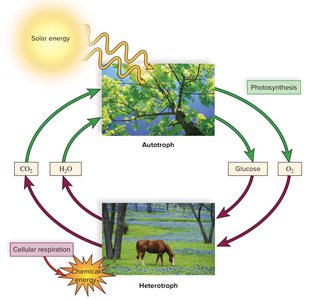
Organisms are classified based on their energy and carbon sources. - Phototrophs: Use energy from sunlight. - Chemotrophs: Use energy from chemical compounds. - Autotrophs: Use carbon from inorganic sources (CO2). - Heterotrophs: Use carbon from organic compounds. 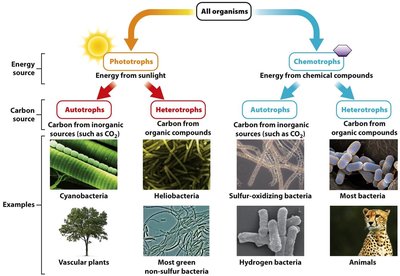
Light Reactions of Photosynthesis
Absorption of Light and Pigments
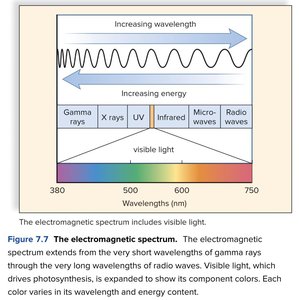
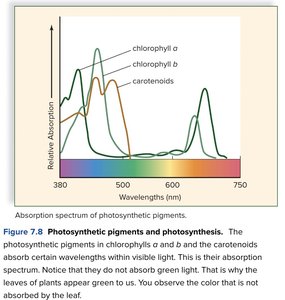
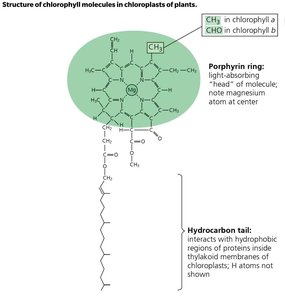
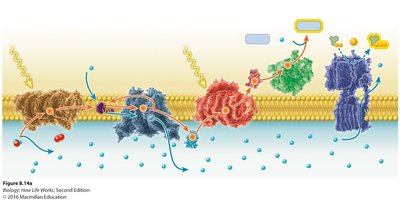
The light reactions occur in the thylakoid membranes and involve the absorption of light by pigments, primarily chlorophyll. - Pigments absorb specific wavelengths of light; chlorophyll reflects green light. - Visible light is part of the electromagnetic spectrum used in photosynthesis. 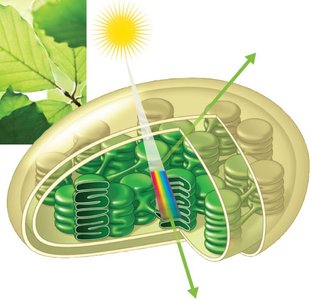
Excitation of Chlorophyll and Electron Transport
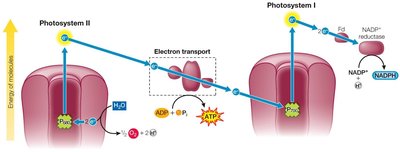
When chlorophyll absorbs a photon, an electron is excited to a higher energy state. This excited electron is transferred through a series of proteins in the electron transport chain, leading to the production of ATP and NADPH. - Excited electrons are transferred from pigment to pigment until reaching a special pair of chlorophyll molecules. - Photosystem II splits water to replace lost electrons, releasing O2. - Photosystem I produces NADPH. 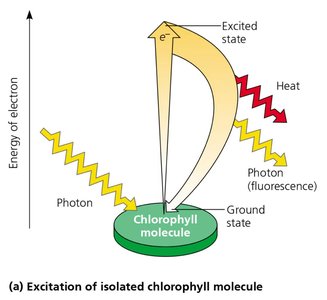
Calvin Cycle (Dark Reactions)
Carbon Fixation and Role of Rubisco
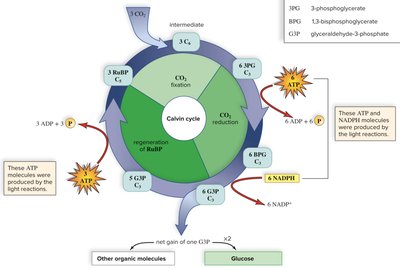
The Calvin cycle occurs in the stroma and is responsible for fixing CO2 into organic molecules. The enzyme Rubisco catalyzes the addition of CO2 to ribulose-1,5-bisphosphate (RuBP). - Rubisco is the most abundant enzyme on Earth but can also fix O2 (photorespiration), which is energetically wasteful. - Photorespiration occurs in hot, dry environments and competes with photosynthesis. 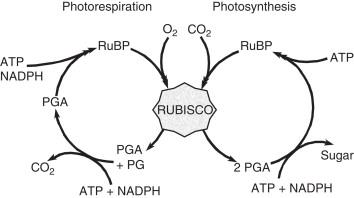
Steps of the Calvin Cycle
The Calvin cycle consists of three main phases: carboxylation, reduction, and regeneration. - Carboxylation: CO2 is added to RuBP by Rubisco. - Reduction: ATP and NADPH are used to convert 3-phosphoglycerate (3-PGA) into glyceraldehyde-3-phosphate (G3P). - Regeneration: RuBP is regenerated to continue the cycle. 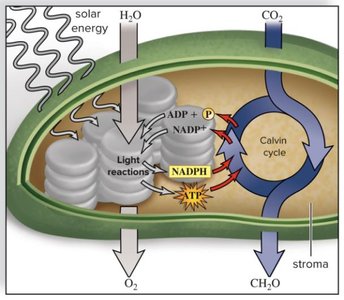
Photosynthesis and Cellular Respiration: Interconnected Processes
Energy Flow and Matter Cycling
The products of photosynthesis (glucose and O2) are the reactants for cellular respiration, and vice versa. This interconnection sustains life by cycling energy and matter through ecosystems. - Autotrophs (plants) produce organic molecules from CO2 and H2O using sunlight. - Heterotrophs (animals) consume organic molecules and release CO2 and H2O.
Summary Table: Comparison of Photosynthesis and Cellular Respiration
Process | Location | Inputs | Outputs | Electron Donor | Electron Acceptor | Energy Source |
|---|---|---|---|---|---|---|
Photosynthesis | Chloroplast | Light, CO2, H2O | Glucose, O2 | H2O | NADP+ | Sunlight |
Cellular Respiration | Mitochondria | Glucose, O2 | CO2, H2O, ATP | NADH/FADH2 | O2 | Organic molecules |
Example: Plants use photosynthesis to build glucose, which is then used in cellular respiration to generate ATP for cellular activities. Additional info: The Calvin cycle is also known as the dark reactions or carbon fixation reactions. Rubisco's dual activity (carboxylase and oxygenase) is a major factor in plant adaptation to environmental conditions. The redox tower is a useful tool for understanding electron flow in metabolic pathways.
