 Back
Photosynthesis: Mechanisms, Energy Transformations, and Comparison with Cellular Respiration
Study Guide - Smart Notes
 Tailored notes based on your materials, expanded with key definitions, examples, and context.
Photosynthesis: Overview and Significance
Definition and Importance
Photosynthesis is the process by which photoautotrophic organisms, such as plants, algae, and some bacteria, convert light energy from the sun into chemical energy stored in glucose. This process is fundamental for life on Earth, providing both the oxygen we breathe and the organic molecules that fuel cellular respiration.
Photoautotrophs use sunlight to synthesize their own food from inorganic carbon (CO2).
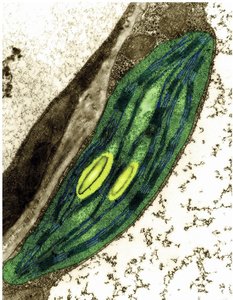
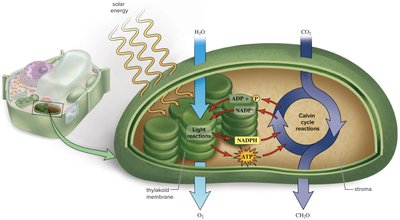
Chloroplasts are the organelles where photosynthesis occurs in plants and algae.
Photosynthesis is the reverse of cellular respiration in terms of reactants and products.
Energy and Carbon Sources: Classification of Organisms
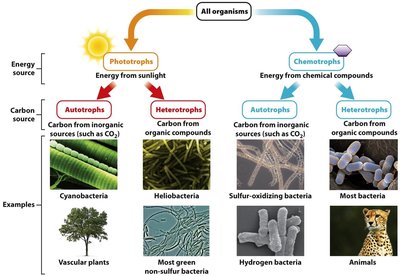
Organisms are classified based on their energy and carbon sources.
Phototrophs: Obtain energy from sunlight.
Chemotrophs: Obtain energy from chemical compounds.
Autotrophs: Use inorganic carbon (CO2).
Heterotrophs: Use organic carbon.
Photosynthesis and Cellular Respiration: Relationship and Comparison
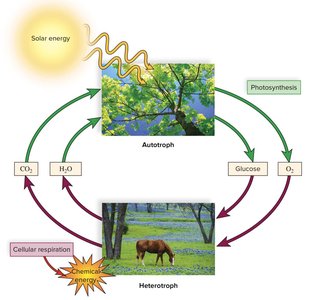
Big Picture: Energy and Matter Flow
Photosynthesis and cellular respiration are interconnected processes. The products of one are the reactants of the other, forming a cycle of energy and matter in ecosystems.
Photosynthesis: Light + CO2 + H2O → Glucose + O2
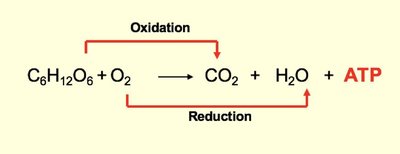
Cellular Respiration: Glucose + O2 → CO2 + H2O + ATP
Mechanisms of Photosynthesis
Structure of the Chloroplast
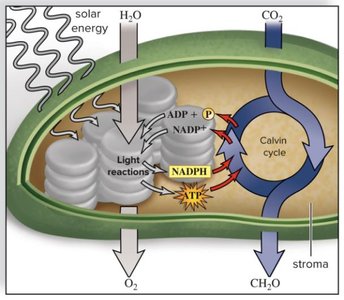
Chloroplasts contain thylakoid membranes where the light-dependent reactions occur, and the stroma where the Calvin cycle (light-independent reactions) takes place.
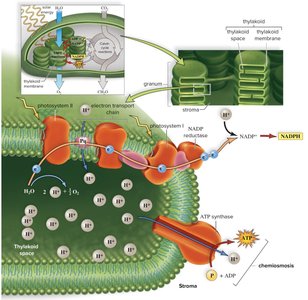
Thylakoid membranes house pigments and the photosynthetic electron transport chain.
Stroma is the site of carbon fixation.
Light Reactions
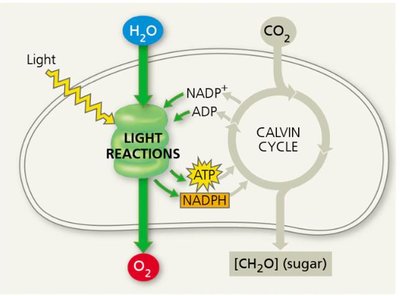
The light reactions convert solar energy into chemical energy in the form of ATP and NADPH.
Water is split, releasing O2 and providing electrons.
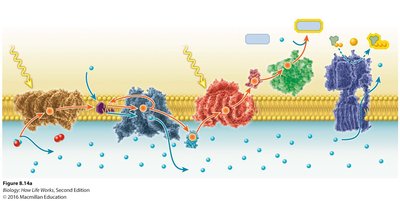
Electrons move through photosystems II and I, generating a proton gradient used to synthesize ATP.
NADP+ is reduced to NADPH.
Pigments and Light Absorption
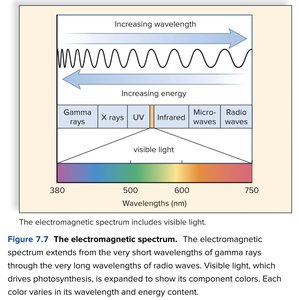
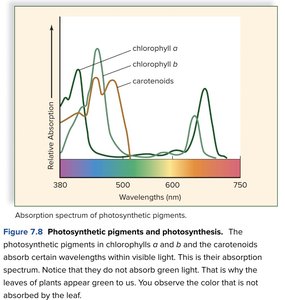
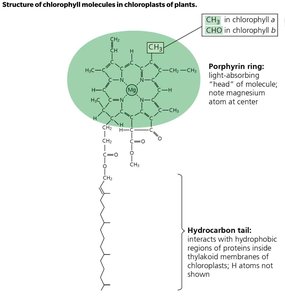
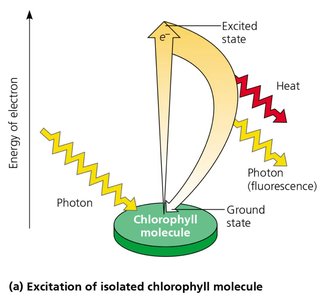
Pigments such as chlorophyll absorb specific wavelengths of light, driving the light reactions.
Chlorophyll a and b absorb blue and red light, reflecting green.
Carotenoids absorb additional wavelengths, protecting chlorophyll from damage.
Calvin Cycle (Dark Reactions)
Carbon Fixation and Reduction
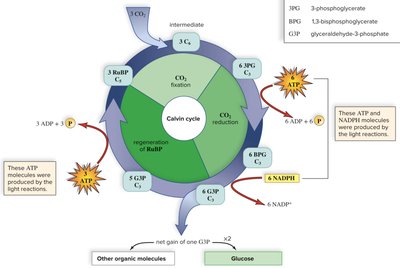
The Calvin cycle uses ATP and NADPH from the light reactions to fix CO2 and produce carbohydrates.
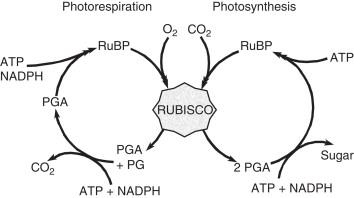
CO2 is added to ribulose-1,5-bisphosphate (RuBP) by the enzyme RUBISCO.
3-phosphoglycerate (3-PGA) is reduced to glyceraldehyde-3-phosphate (G3P).
RuBP is regenerated, allowing the cycle to continue.
RUBISCO and Photorespiration
RUBISCO can catalyze both the fixation of CO2 and O2. In hot, dry environments, photorespiration occurs, reducing photosynthetic efficiency.
Photorespiration uses O2 instead of CO2, consuming ATP and releasing CO2.
RUBISCO's dual activity is a major limitation in plant productivity.
Redox Reactions and Energy Flow
Redox Tower and Electron Flow
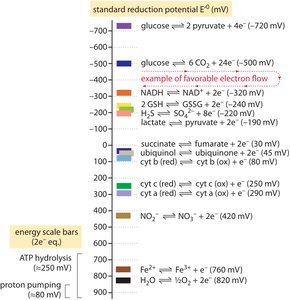
The redox tower illustrates the standard reduction potentials of various molecules, indicating the direction of electron flow.
Electron flow is energetically favorable when moving from a donor higher on the tower to an acceptor lower on the tower.
Photosynthesis requires energy input to drive electrons from water to NADP+.
Summary Table: Photosynthesis vs. Cellular Respiration
Comparison of Key Features
Process | Location | Reactants | Products | Energy Source |
|---|---|---|---|---|
Photosynthesis | Chloroplast | CO2, H2O, Light | Glucose, O2 | Sunlight |
Cellular Respiration | Mitochondria | Glucose, O2 | CO2, H2O, ATP | Chemical (Glucose) |
Key Equations
Photosynthesis
Cellular Respiration
Additional info:
Photosynthesis consists of two main stages: light reactions (energy capture) and Calvin cycle (carbon fixation).
RUBISCO is the most abundant enzyme on Earth, but its inefficiency leads to photorespiration under certain conditions.
Energy transformations in photosynthesis and respiration are governed by redox reactions and electron transport chains.
