 Back
BackTopic8 Photosynthesis: Mechanisms, Organisms, and Physiological Importance
Study Guide - Smart Notes
 Tailored notes based on your materials, expanded with key definitions, examples, and context.
Topic8 Photosynthesis: Mechanisms, Organisms, and Physiological Importance
Introduction to Photosynthesis
Photosynthesis is a fundamental biological process by which photoautotrophic organisms convert light energy into chemical energy, producing organic molecules from inorganic carbon dioxide and water. This process sustains nearly all life on Earth by providing the organic matter and oxygen required by most organisms.
Photoautotrophs include plants, algae, and certain bacteria.
Photosynthesis occurs primarily in the chloroplasts of plant cells and in specialized membranes in photosynthetic bacteria.
This process is essential for the biosphere, influencing atmospheric composition, climate, and the global carbon cycle.
Organisms Performing Photosynthesis
Photosynthesis is not limited to plants; it is performed by a diverse group of organisms across different domains of life.
Plants: Multicellular eukaryotes with chloroplasts.
Algae: Both unicellular (e.g., Euglena, diatoms) and multicellular forms.
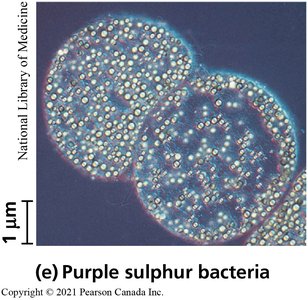
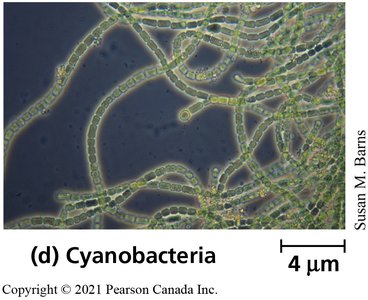
Photosynthetic Bacteria: Includes cyanobacteria (formerly called 'blue-green algae') and purple sulfur bacteria.
Protists: Some unicellular eukaryotes capable of photosynthesis.
Importance of Photosynthesis
Photosynthesis is the largest biosynthetic activity on the planet, producing approximately 160 billion tons of carbohydrate per year. It has profound effects on the environment and human society:
Climate Regulation: Sequesters carbon dioxide, mitigates climate change, and retains stormwater.
Mental Health: Green spaces are linked to reduced depression, anxiety, and stress.
Technological Inspiration: High efficiency of photosynthetic algae inspires advances in solar technology.
The Main Reaction: Photosynthesis Formula
The overall chemical equation for photosynthesis in plants is:
Reactants: Carbon dioxide and water
Products: Glucose (a carbohydrate) and oxygen
This is an endergonic (energy-requiring) redox reaction, storing solar energy in chemical bonds.
Subcellular Localization of Photosynthesis
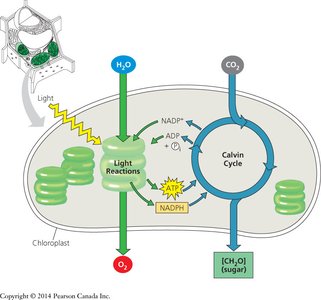
In plants, photosynthesis occurs within the chloroplast, which contains specialized structures for the two main stages of the process:
Light Reactions: Occur in the thylakoid membranes, where light energy is converted to chemical energy (ATP and NADPH).
Calvin Cycle (Dark Reactions): Occur in the stroma, where ATP and NADPH are used to fix carbon dioxide into carbohydrates.

Light Absorption and Pigments
Plants "eat light" by absorbing specific wavelengths using pigments, primarily chlorophylls and carotenoids. The absorption of light energy initiates the light reactions of photosynthesis.
Chlorophyll a and b: Absorb mainly blue and red light, reflecting green, which is why leaves appear green.
Carotenoids: Accessory pigments that absorb additional wavelengths and protect against photo-damage.


Experimental Evidence: Action Spectrum
Experiments such as Engelmann's (1883) demonstrated that blue and red wavelengths are most effective in driving photosynthesis, correlating with the absorption spectra of chlorophylls.
Action Spectrum: Shows the rate of photosynthesis at different wavelengths.
Absorption Spectrum: Shows which wavelengths are absorbed by pigments.
Light Quality and Plant Growth
Modern plant growth chambers use LED lights of specific wavelengths (blue and red) to optimize photosynthesis and plant development. Plants grown under these lights may appear purple due to the combination of red and blue light.


Excitation of Chlorophyll and Energy Transfer
When chlorophyll absorbs light, its electrons are excited to a higher energy state. In isolated chlorophyll, this energy is released as fluorescence, but in the chloroplast, the energy is transferred to other molecules, driving the light reactions.
Light Harvesting Complexes: Pigments are organized to efficiently capture and transfer light energy to the reaction center.
Photosystems: Functional units in the thylakoid membrane where light energy is converted to chemical energy.
Summary Table: Key Pigments and Their Roles
Pigment | Absorbed Wavelengths | Role |
|---|---|---|
Chlorophyll a | Blue, Red | Main pigment in light reactions |
Chlorophyll b | Blue, Orange | Accessory pigment, broadens absorption |
Carotenoids | Blue, Green | Photoprotection, accessory pigment |
Conclusion
Photosynthesis is a complex, highly regulated process central to life on Earth. It involves the interplay of light absorption, energy conversion, and carbon fixation, with profound implications for ecology, climate, and human society.
