 Back
Backbio123 CH10 UNIT 2 -Photosynthesis: Mechanisms, Structure, and Adaptations
Study Guide - Smart Notes
 Tailored notes based on your materials, expanded with key definitions, examples, and context.
Photosynthesis: Feeding the Biosphere
Autotrophs and Heterotrophs
Photosynthesis is the fundamental process by which solar energy is converted into chemical energy, sustaining life on Earth. Autotrophs are organisms that produce their own food, serving as the primary producers in ecosystems. Photoautotrophs, such as plants, utilize sunlight for photosynthesis. Heterotrophs obtain energy by consuming organic material from other organisms, acting as consumers or decomposers. Nearly all heterotrophs depend on photoautotrophs for food and oxygen.
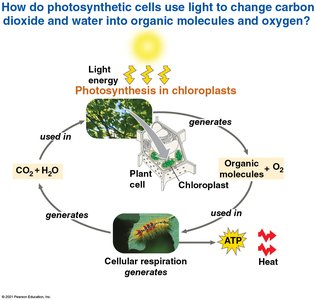
Photosynthesis Converts Light Energy to Chemical Energy
Location and Structure of Photosynthesis
Photosynthesis occurs in the chloroplasts of plant cells, specifically within the palisade mesophyll cells at the tops of leaves. The process is divided into light-dependent reactions (in the thylakoid membranes) and light-independent reactions (in the stroma). The anatomy of leaves and chloroplasts is crucial for understanding the spatial organization of these reactions.
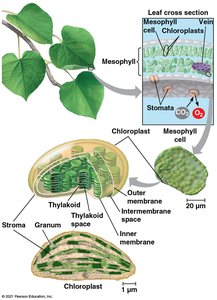
Equations of Photosynthesis
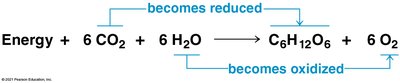
The overall chemical equation for photosynthesis is:
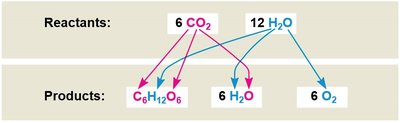
Empirical formula:
Photosynthesis is an oxidation-reduction process: carbon dioxide is reduced to glucose, and water is oxidized to oxygen.
The Light Reactions
Mechanism and Products
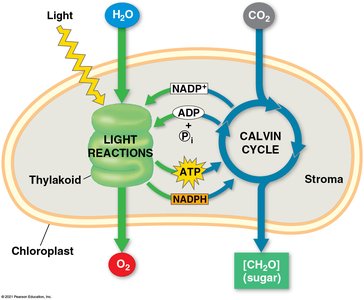
Light-dependent reactions occur in the thylakoid membranes and involve:
Splitting water to produce electrons and protons
Reducing NADP+ to NADPH
Generating ATP from ADP by photophosphorylation
Releasing O2 as a by-product
The ATP and NADPH produced are used to power the Calvin Cycle.
Light: Electromagnetic Energy
Properties of Light
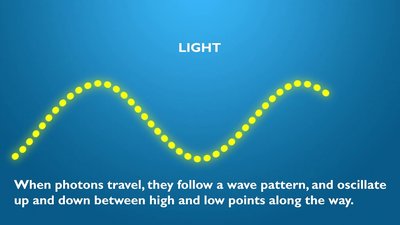
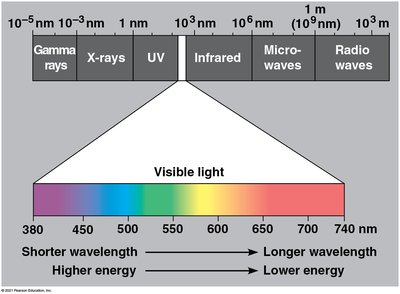
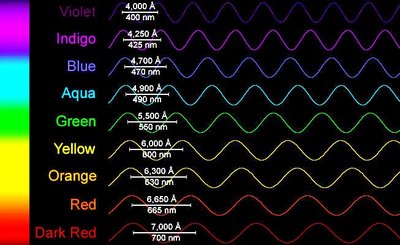
Light is electromagnetic energy traveling as a wave. The wavelength determines the energy of photons, with shorter wavelengths having higher energy. The electromagnetic spectrum includes visible light (380–750 nm), which is optimal for photosynthesis.
Pigments and Light Absorption
Photosynthetic Pigments
Pigments are molecules that absorb specific wavelengths of light. Chlorophylls are the dominant pigments in plants, absorbing light in the blue and red ranges and reflecting green. Carotenoids absorb light in the blue range and reflect yellow-orange, broadening the spectrum usable for photosynthesis. Non-photosynthetic pigments provide coloration to flowers and other plant parts.
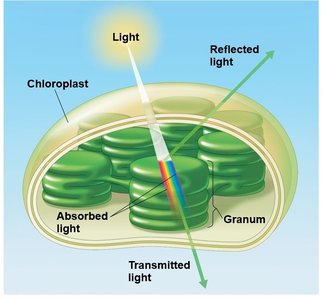
Spectrophotometry
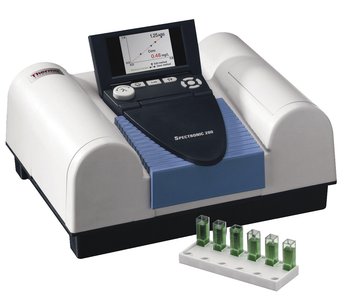
A spectrophotometer is used to measure the absorption spectra of pigments, determining which wavelengths are absorbed and which are transmitted.
Structure and Excitation of Chlorophyll
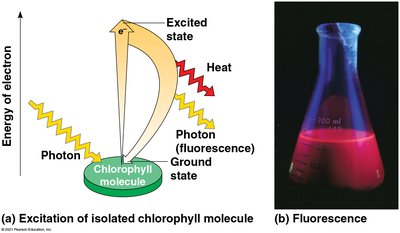
Chlorophyll molecules have a hydrocarbon tail anchoring them in the thylakoid membrane and a porphyrin ring with Mg at the center. When light strikes chlorophyll, electrons are excited to a higher energy state and then return to the ground state, releasing heat and fluorescence.

Photosystems and Electron Transport
Photosystem Structure and Function
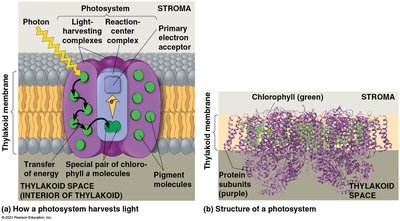
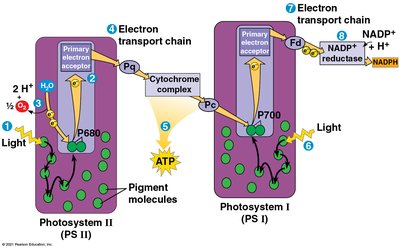
Photosystems I and II are embedded in thylakoid membranes. Each photosystem contains antenna chlorophylls to harvest light and a reaction center with special pair chlorophyll a molecules. PSI contains P700, PSII contains P680, named for their peak absorption wavelengths.
Electron Transport Chain Components
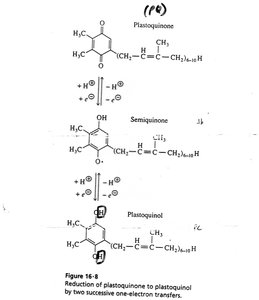
The thylakoid membrane contains various electron transport proteins, including plastocyanin, cytochrome complex, plastiquinone, ferredoxin, and NADP reductase. These components facilitate electron transfer and the reduction of NADP+ to NADPH.
Resonance Energy Transfer
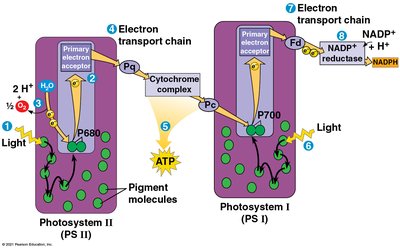
Energy from excited electrons is transferred between chlorophyll molecules in the antenna complex until it reaches the reaction center, where electrons are transferred to a primary electron acceptor. This process is called resonance energy transfer.


Linear and Cyclic Electron Flow
Linear Electron Flow
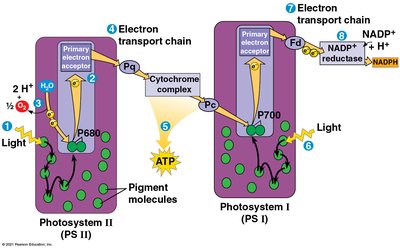
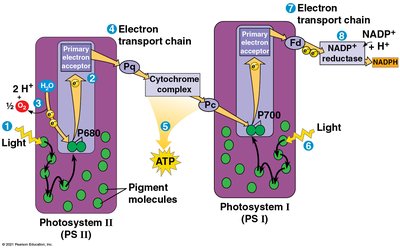
Linear electron flow is the dominant pathway in land plants, involving both photosystems. Electrons from water are transferred through PSII and PSI, generating ATP and NADPH.
Cyclic Electron Flow
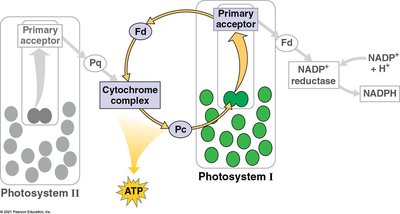
Cyclic electron flow involves only PSI, producing ATP without NADPH or O2. This pathway is important for generating extra ATP required for the Calvin Cycle and may provide photoprotection.
ATP Production by Chemiosmosis
Establishment of Proton Gradient
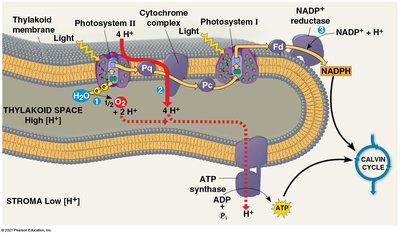
H+ ions accumulate in the thylakoid lumen from water splitting and proton pumping, creating an electrochemical gradient across the thylakoid membrane. The flow of H+ through ATP synthase drives ATP production, a process called chemiosmosis or photophosphorylation in photosynthesis.
The Calvin Cycle (Light-Independent Reactions)
Phases of the Calvin Cycle
The Calvin Cycle is a cyclic, anabolic, endergonic pathway that reduces CO2 to carbohydrates. It consists of three main phases:
Phase 1: Carbon Fixation – CO2 is incorporated into ribulose bisphosphate (RuBP) by the enzyme RuBisCo, forming an unstable C6 intermediate that splits into two 3-phosphoglycerate (PGA) molecules.
Phase 2: Reduction – PGA is phosphorylated by ATP and reduced by NADPH to form glyceraldehyde-3-phosphate (G3P).
Phase 3: Regeneration – Most G3P is used to regenerate RuBP, requiring additional ATP.
Photorespiration
Photorespiration occurs when RuBisCo acts as an oxygenase, binding O2 instead of CO2 to RuBP. This process disrupts the Calvin Cycle, producing no useful sugars and consuming ATP. It is most problematic in hot, dry conditions when stomata close, leading to low CO2 and high O2 concentrations in the mesophyll.
Alternative Mechanisms of Carbon Fixation
C3 vs. C4 Plants
C3 plants perform the Calvin Cycle in mesophyll cells and are susceptible to photorespiration. C4 plants have evolved anatomical and biochemical adaptations to minimize photorespiration, splitting light-independent reactions between mesophyll and bundle sheath cells.
C4 Pathway
In C4 plants, CO2 is initially fixed by PEP carboxylase in mesophyll cells, forming a 4-carbon intermediate (malate). Malate is transported to bundle sheath cells, where it releases CO2 for the Calvin Cycle, effectively concentrating CO2 around RuBisCo and reducing photorespiration.
CAM Plants
CAM plants (e.g., cacti) open their stomata at night to fix and store CO2, using it during the day for the Calvin Cycle. This adaptation conserves water but is less efficient than C3 and C4 pathways.
Summary Table: Comparison of Photosynthetic Pathways
Pathway | Initial CO2 Fixation | Main Enzyme | Photorespiration Susceptibility | Adaptation |
|---|---|---|---|---|
C3 | Mesophyll cells | RuBisCo | High | None |
C4 | Mesophyll & Bundle Sheath | PEP carboxylase & RuBisCo | Low | Spatial separation |
CAM | Mesophyll cells (night) | PEP carboxylase & RuBisCo | Low | Temporal separation |
Example: Bluegrass (C3), Crabgrass (C4), Cacti (CAM)
Additional info: CAM pathway details are not required for exam, but understanding their adaptation is useful for ecological context.
