 Back
Photosynthesis: Mechanisms, Structures, and Significance Chp. 8
Study Guide - Smart Notes
 Tailored notes based on your materials, expanded with key definitions, examples, and context.
Photosynthesis: Overview and Importance
Introduction to Photosynthesis
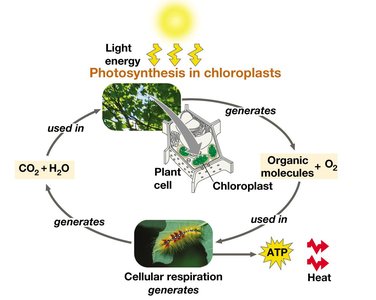
Photosynthesis is a fundamental biological process by which plants, algae, and certain prokaryotes convert light energy into chemical energy, producing organic molecules and oxygen. This process sustains nearly all life on Earth by providing food and oxygen.
Photosynthetic cells use light energy to transform carbon dioxide (CO2) and water (H2O) into organic molecules and oxygen (O2).
The oxygen produced is used in cellular respiration to generate ATP, while the waste products of respiration (CO2 and H2O) are reactants in photosynthesis.
Photosynthesis nourishes almost the entire biosphere, directly or indirectly.
Modes of Nutrition
Autotrophs and Heterotrophs
Organisms acquire organic compounds through two main nutritional modes: autotrophy and heterotrophy.
Autotrophs are "self-feeders" that synthesize organic molecules from inorganic materials. They are the producers of the biosphere.
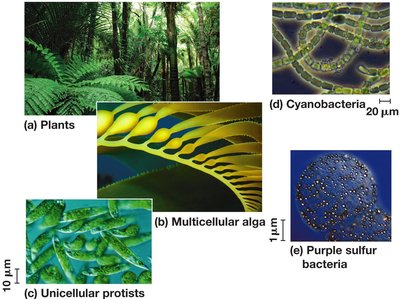
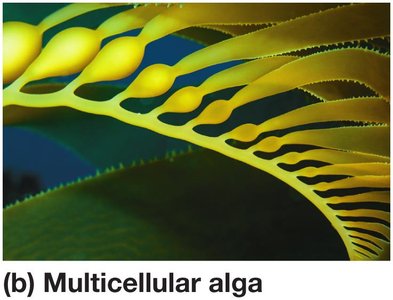
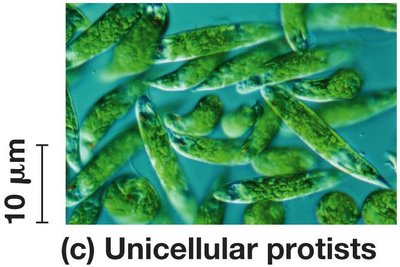
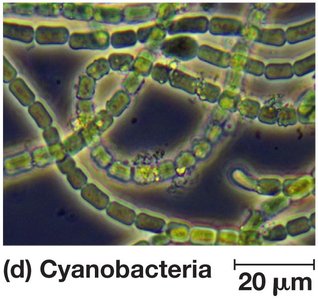
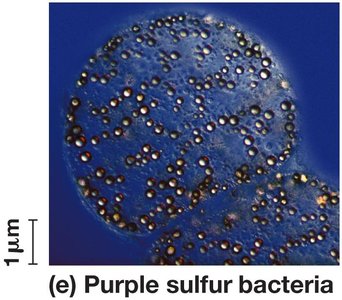
Photoautotrophs use light energy to drive the synthesis of organic molecules from CO2 and water.
Heterotrophs are "other feeders" that obtain organic compounds by consuming other organisms or their remains. They are the consumers of the biosphere.
Chloroplasts: The Site of Photosynthesis
Structure and Function of Chloroplasts
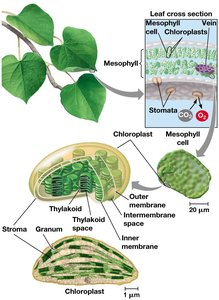
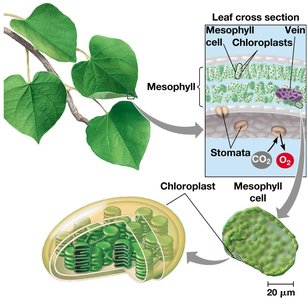
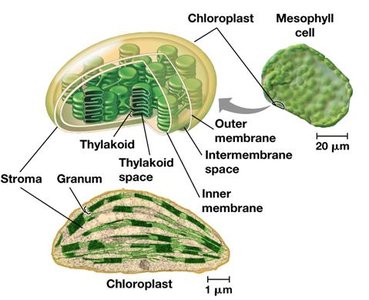
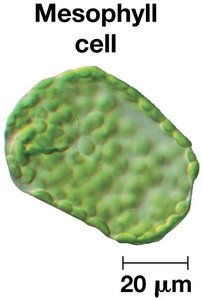
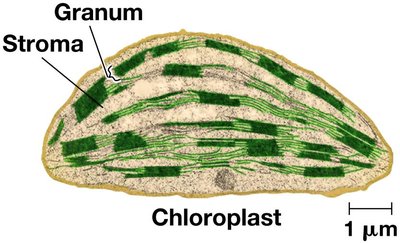
Photosynthesis occurs in chloroplasts, which are specialized organelles found mainly in the mesophyll cells of plant leaves.
Chloroplasts have a double membrane and contain a dense fluid called stroma.
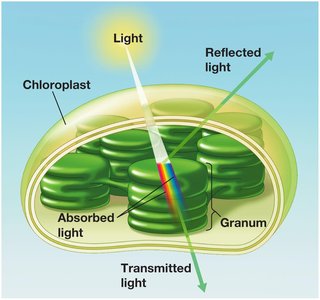
Suspended within the stroma are thylakoids, which may be stacked into grana.
Chlorophyll, the green pigment in thylakoid membranes, absorbs light energy for photosynthesis.
Stomata are microscopic pores that allow gas exchange (CO2 in, O2 out).
Photosynthesis: Chemical Equation and Redox Process
Summary Equation and Atom Tracking
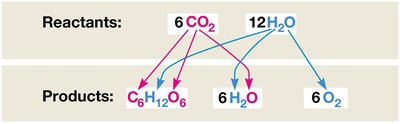
The overall process of photosynthesis can be summarized by the following equation:
6 CO2 + 12 H2O + Light energy → C6H12O6 + 6 O2 + 6 H2O
Photosynthesis is a redox process that reverses the electron flow seen in cellular respiration.
Water is split, and its hydrogen and electrons are incorporated into sugar; oxygen is released as a by-product.
Reactants | Products |
|---|---|
6 CO2 | C6H12O6 |
12 H2O | 6 H2O |
6 O2 |

Equation in LaTeX:
The Two Stages of Photosynthesis
Light Reactions and Calvin Cycle
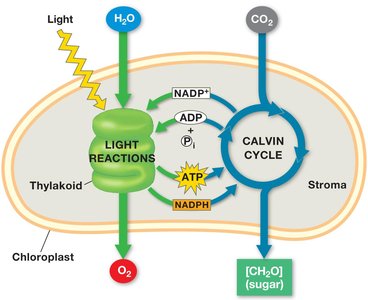
Photosynthesis consists of two main stages: the light reactions and the Calvin cycle.
Light reactions occur in the thylakoid membranes and convert solar energy into chemical energy (ATP and NADPH).
Calvin cycle occurs in the stroma and uses ATP and NADPH to fix carbon dioxide and produce sugars.
Light reactions split water, release O2, reduce NADP+ to NADPH, and generate ATP by photophosphorylation.
The Calvin cycle incorporates CO2 into organic molecules (carbon fixation) and reduces them to sugars.
Equation for ATP generation:
The Nature of Sunlight
Electromagnetic Spectrum and Photons
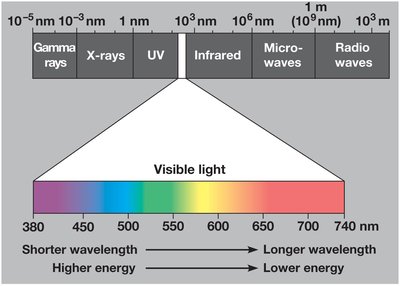
Light is a form of electromagnetic energy, traveling in waves. The visible spectrum (380–750 nm) powers photosynthesis.
Wavelength is the distance between wave crests.
Photons are discrete particles of light, each with a fixed energy inversely proportional to wavelength.
Shorter wavelengths have higher energy per photon.
Photosynthetic Pigments: Light Receptors
Types and Functions of Pigments
Pigments absorb visible light; different pigments absorb different wavelengths. Chlorophyll absorbs violet-blue and red light, reflecting green.
Chlorophyll a is the primary pigment; chlorophyll b and carotenoids are accessory pigments.
Carotenoids provide photoprotection by absorbing excess light.
Summary Table: Types of Photoautotrophs
Type | Example | Key Feature |
|---|---|---|
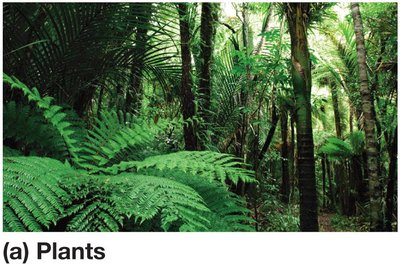
Plants | Ferns, trees | Multicellular, terrestrial |
Multicellular algae | Kelp | Multicellular, aquatic |
Unicellular protists | Euglena | Single-celled, aquatic |
Cyanobacteria | Anabaena | Prokaryotic, aquatic |
Purple sulfur bacteria | Chromatium | Prokaryotic, aquatic, sulfur metabolism |
Key Terms and Definitions
Photosynthesis: The process by which light energy is converted to chemical energy in plants, algae, and some bacteria.
Chloroplast: Organelle in plant cells where photosynthesis occurs.
Thylakoid: Membrane-bound sac in chloroplasts, site of light reactions.
Stroma: Fluid inside chloroplasts, site of the Calvin cycle.
Autotroph: Organism that produces its own food from inorganic substances.
Heterotroph: Organism that obtains food by consuming other organisms.
Photophosphorylation: Production of ATP using light energy.
Carbon fixation: Incorporation of CO2 into organic molecules.
----------------------------------------
