 Back
Phylum Chordata: Class Mammalia – Characteristics and Diversity
Study Guide - Smart Notes
 Tailored notes based on your materials, expanded with key definitions, examples, and context.
Phylum Chordata
Overview of Chordates
Chordates are a diverse group of animals characterized by the presence of a notochord, dorsal nerve cord, pharyngeal slits, and a post-anal tail at some stage in their development. The subphylum Vertebrata includes animals with a backbone, such as mammals, birds, reptiles, amphibians, and fishes.
Class Mammalia
Taxonomy of Mammals
Phylum: Chordata
Subphylum: Vertebrata
Class: Mammalia
Mammals are a highly diverse class of vertebrates distinguished by several unique characteristics that set them apart from other animal groups.
Key Characteristics of Mammals
Endothermic and Homoeothermic: Mammals regulate their body temperature internally, maintaining a constant temperature regardless of the environment.
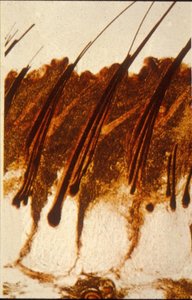
Fur-bearing: All mammals possess hair or fur at some stage of their life cycle, which provides insulation and sensory functions.
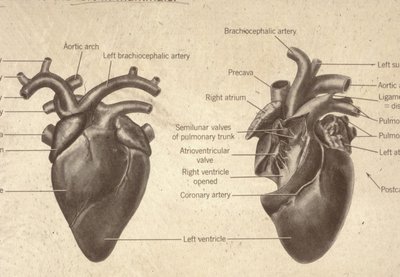
Four-chambered Heart: Mammals have a heart with two atria and two ventricles, ensuring efficient separation of oxygenated and deoxygenated blood for high metabolic demands.
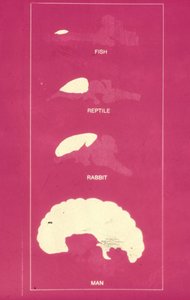
Large Brain: Mammals generally have larger brains relative to body size compared to other vertebrates, supporting advanced behaviors and intelligence.
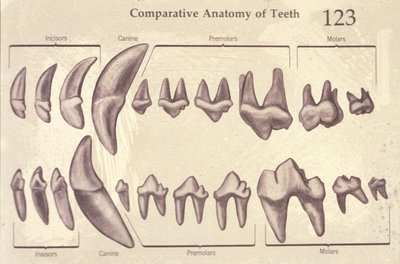
Heterodont Dentition: Mammals possess different types of teeth (incisors, canines, premolars, molars) adapted for various functions such as cutting, tearing, and grinding food.
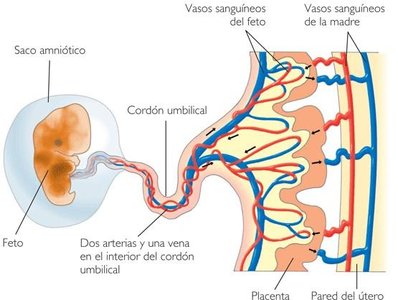
Placental Development: Most mammals (eutherians) nourish their developing young via a placenta, which facilitates nutrient and gas exchange between mother and fetus.
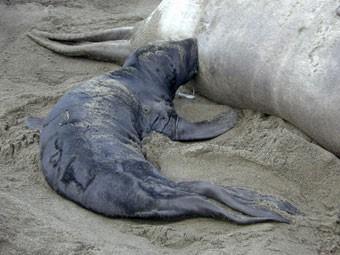
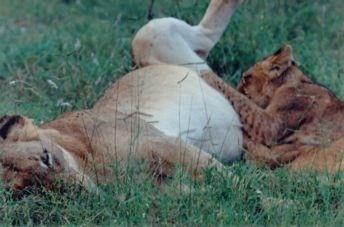
Suckling (Lactation): Mammalian mothers produce milk from mammary glands to nourish their young after birth, a defining feature of the class.
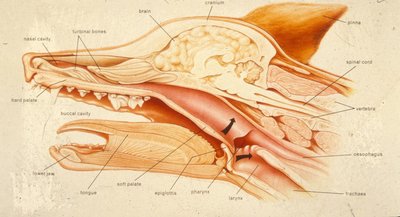
Secondary Palate: The presence of a secondary palate separates the nasal and oral cavities, allowing mammals to breathe while chewing.
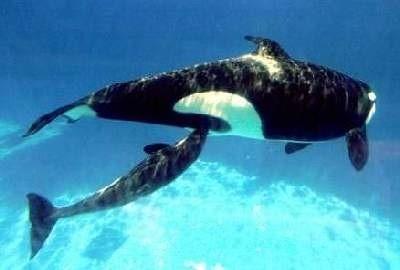
Well-developed Parental Care: Mammals exhibit extensive parental care, including protection, feeding, and teaching of offspring, which enhances survival and learning.
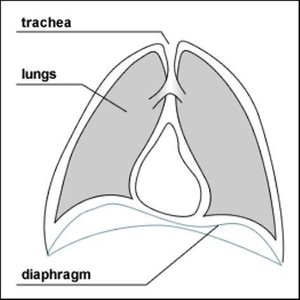
Muscular Diaphragm: A sheet of muscle (the diaphragm) separates the thoracic and abdominal cavities and plays a crucial role in efficient lung ventilation.
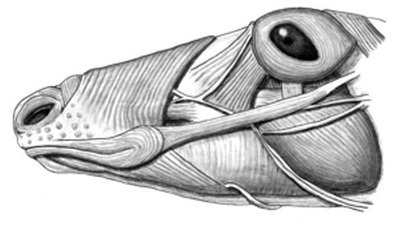
Well-developed Facial Muscles: Mammals have complex facial musculature, allowing for a wide range of expressions and communication.
Summary Table: Key Mammalian Characteristics
Characteristic | Description |
|---|---|
Endothermy | Internal regulation of body temperature |
Hair/Fur | Insulation, sensory, and protective functions |
Four-chambered heart | Efficient separation of blood for high metabolism |
Large brain | Advanced cognition and behavior |
Heterodont dentition | Specialized teeth for varied diets |
Placenta | Nourishes developing embryo (in most mammals) |
Lactation | Milk production for offspring |
Secondary palate | Allows simultaneous eating and breathing |
Parental care | Extended care and learning for young |
Diaphragm | Efficient breathing mechanism |
Facial muscles | Complex expressions and communication |
Orders of Mammals
Major Orders and Examples
Order | Examples |
|---|---|
Monotremata | Duck-billed platypus, Echidna |
Marsupialia | Kangaroo, Wallaby, Koala |
Insectivora | Shrews, Hedgehog |
Macroscelidia | Elephant shrew |
Chiroptera | Bats (fruit-eating and insect-eating) |
Primates | Human, Vervet monkey, Gorilla |
Cingulata | Armadillo |
Rodentia | Rat, Mouse, Porcupine, Beaver |
Lagomorpha | Rabbit |
Cetacea | Whale, Dolphin, Porpoise |
Carnivora | Dog, Cat, Hyaena, Mongoose, Seal |
Tubulidentata | Aardvark |
Proboscidea | Elephant |
Hydracoidea | Dassie |
Perissodactyla | Horse, Rhino, Tapir, Zebra |
Artiodactyla | Deer, Antelope, Pig, Hippo |
Sirenia | Manatee, Dugong |
Challenge Questions
What evidence suggests that the two deuterostome phyla (Echinodermata & Chordata) should be grouped together?
Name four hallmarks shared by all chordates, and explain the function of each.
Why is it necessary to study the life history of a sea squirt to understand why they are chordates?
Do the mammals match our animal model developed at the start of the course?
Additional info:
Endothermy allows mammals to inhabit a wide range of environments, from arctic to tropical regions.
Heterodont dentition is a key adaptation for dietary specialization among mammals.
Placental mammals (Eutherians) are the most diverse group, but monotremes and marsupials represent important evolutionary lineages.
