 Back
Phylum Echinodermata: Structure, Development, and Diversity
Study Guide - Smart Notes
 Tailored notes based on your materials, expanded with key definitions, examples, and context.
Phylum Echinodermata
Overview
The phylum Echinodermata includes marine animals such as starfish, sea urchins, sand dollars, brittle stars, feather stars, and sea cucumbers. Echinoderms are exclusively marine and are known for their unique pentaradial symmetry, water-vascular system, and calcareous endoskeleton. They are important for understanding animal evolution, especially as deuterostomes, a group that also includes chordates.
Deuterostomes and Protostomes
Developmental Differences
Protostomes (e.g., molluscs, annelids): Undergo spiral and determinate cleavage, coelom forms by splitting of mesoderm, and the blastopore becomes the mouth.
Deuterostomes (e.g., echinoderms, chordates): Undergo radial and indeterminate cleavage, coelom forms from mesodermal outpocketings of the archenteron, and the blastopore becomes the anus.
Key Terms:
Cleavage: Early cell division in embryos.
Coelom: Body cavity lined by mesoderm.
Blastopore: The first opening formed during gastrulation.
Example: Echinoderms and chordates are both deuterostomes, sharing developmental features distinct from protostomes.
Habitat
Echinoderms are found exclusively in marine environments, from shallow coastal waters to deep ocean trenches. They have not exploited a wide range of habitats and niches, possibly due to their unique body plan and reliance on the water-vascular system for movement and feeding.
Structure of Echinoderms
Pentaradiate symmetry: Adult echinoderms typically have five (or multiples of five) arms or body regions arranged around a central axis.
Oral-aboral surface: The body is organized with a mouth (oral surface) and an opposite aboral surface.
Tube feet: Extensions of the water-vascular system used for locomotion, feeding, and respiration.
Internal skeleton: Composed of calcareous plates (ossicles) embedded in the body wall.
Echinoderm Classes
Asteroidea: Starfish or sea stars
Echinoidea: Sea urchins and sand dollars
Holothuroidea: Sea cucumbers
Ophiuroidea: Brittle stars
Crinoidea: Feather stars and sea lilies
Class Asteroidea (Starfish)
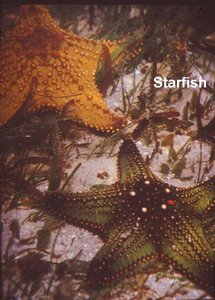
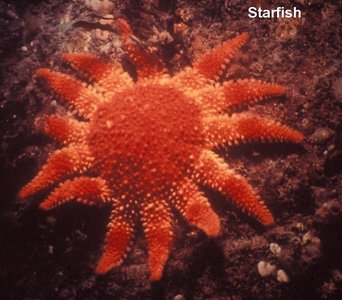
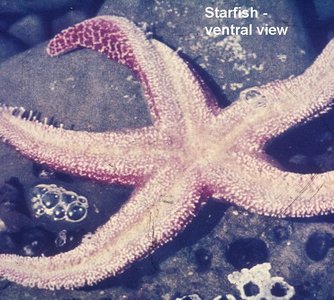
Starfish are the most familiar echinoderms, characterized by a central disc and radiating arms. They are important predators in marine ecosystems.
Structure
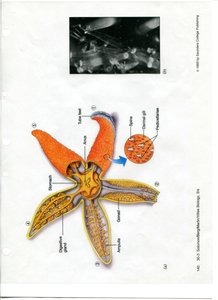
Water-vascular system: A network of hydraulic canals branching into tube feet, used for movement and feeding.
Tube feet: Located on the oral surface, used for locomotion and capturing prey.
Feeding
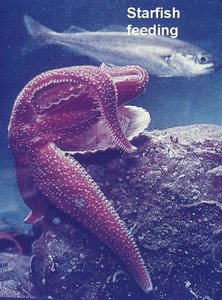
Starfish are mostly carnivorous, feeding on mollusks such as clams and oysters.
They use their tube feet to pry open shells and evert their stomach to digest prey externally.
Circulation, Gaseous Exchange, and Excretion
Circulation is primarily via the water-vascular system and coelomic fluid.
Gas exchange occurs across tube feet and dermal gills.
Excretion of nitrogenous wastes is mainly by diffusion through tube feet and body wall.
Nervous System
Echinoderms have a decentralized nervous system with a nerve ring and radial nerves.
They lack a true brain, which limits their behavioral complexity.
Regeneration
Starfish can regenerate lost arms, and in some cases, an entire individual can grow from a single arm if part of the central disc is attached.
Reproduction
Most echinoderms have separate sexes and external fertilization.
Larvae are bilaterally symmetrical, unlike the adults.
Class Echinoidea (Sea Urchins and Sand Dollars)
Members of this class have a globular or flattened body with no arms. Their skeleton, called a test, is rigid and covered with spines.
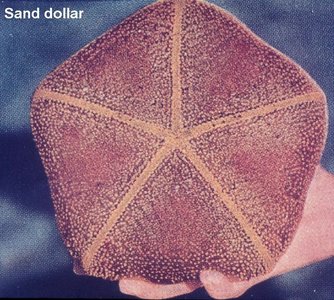
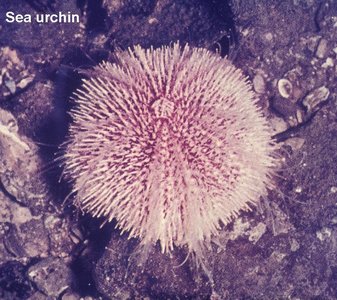
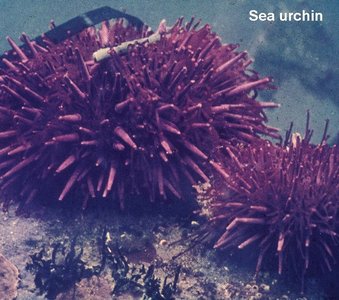
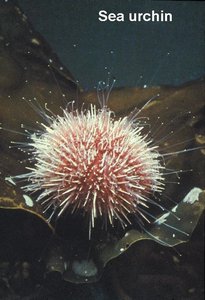
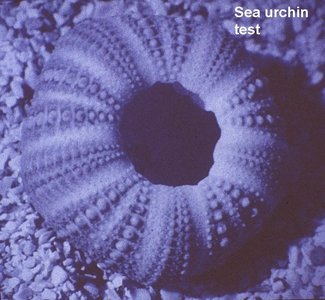
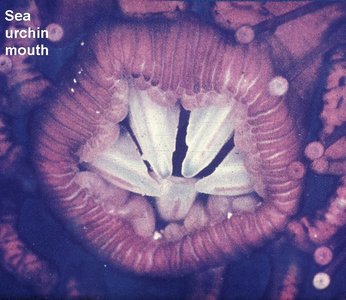
Feeding: Sea urchins are grazers, feeding mainly on algae using a specialized mouthpart called Aristotle's lantern.
Movement: They move using tube feet and spines.
Class Holothuroidea (Sea Cucumbers)
Sea cucumbers have an elongated, leathery body and lack the prominent spines of other echinoderms. They are important detritivores in marine ecosystems.
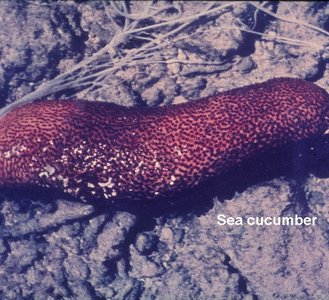
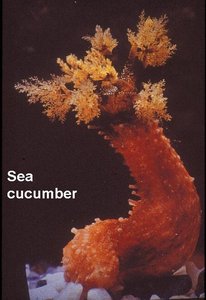
Feeding: They use modified tube feet (tentacles) to capture food particles from the water or substrate.
Movement: Locomotion is by peristaltic contractions and tube feet.
Other Echinoderm Classes
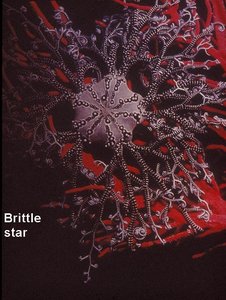
Ophiuroidea (Brittle Stars): Characterized by slender, flexible arms distinct from the central disc. They are agile movers and often scavengers or filter feeders.
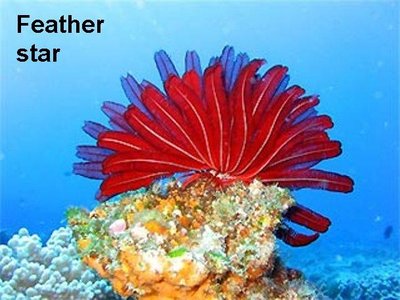
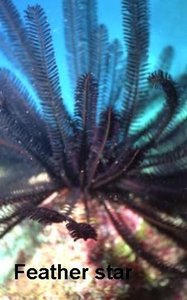
Crinoidea (Feather Stars and Sea Lilies): Possess feathery arms used for suspension feeding. Most are sessile as juveniles but may be free-moving as adults.
Developmental Biology of Echinoderms
Cleavage
Deuterostome cleavage is radial and indeterminate, allowing for the possibility of identical twins and embryonic stem cells.
Protostome cleavage is spiral and determinate.
Coelom Formation
In deuterostomes, the coelom forms from outpocketings of the archenteron.
In protostomes, the coelom forms by splitting of the mesoderm.
Fate of the Blastopore
In deuterostomes, the blastopore becomes the anus.
In protostomes, the blastopore becomes the mouth.
Summary Table: Protostome vs. Deuterostome Development
Feature | Protostome | Deuterostome |
|---|---|---|
Cleavage | Spiral, determinate | Radial, indeterminate |
Coelom Formation | Splitting of mesoderm | Outpocketing of archenteron |
Fate of Blastopore | Mouth | Anus |
Examples | Molluscs, annelids | Echinoderms, chordates |
Conceptual Questions
Describe in detail the relationship between the diet, structure, and movement in each of the three classes of echinoderms (Asteroidea, Echinoidea, Holothuroidea).
Despite their system grade of organization, echinoderms do not have a sophisticated nervous system. Can you provide reasons for this anomaly?
Additional info: Echinoderms are a key group for understanding the evolution of deuterostomes and the diversity of marine animal life. Their unique features, such as the water-vascular system and pentaradial symmetry, distinguish them from other invertebrates.
