 Back
BackPlant Diversity: Adaptations, Life Cycles, and Major Groups
Study Guide - Smart Notes
 Tailored notes based on your materials, expanded with key definitions, examples, and context.
Plant Diversity and Adaptations for Terrestrial Life
Introduction to Plant Diversity
Plants are a fundamental group of organisms that have evolved a variety of adaptations to thrive on land. Their evolutionary history is marked by the development of key features that distinguish the main plant groups and enable survival in terrestrial environments.
Adaptations for terrestrial living distinguish four main plant groups: nonvascular plants, seedless vascular plants, gymnosperms, and angiosperms.
Alternation of generations characterizes all plant life cycles, involving distinct haploid and diploid stages.
Angiosperms comprise over 85% of living plants, with unique adaptations such as flowers and fruits.
Evolutionary Origins of Land Plants
Land plants evolved from green algae, specifically the charophytes, and are defined by their terrestrial ancestors.
Charophytes are the closest relatives of land plants.
Both plants and charophytes are photosynthetic eukaryotes with complex multicellular bodies and cell walls containing cellulose.
Land plants supply oxygen and form the base of terrestrial food chains.
Opportunities and Challenges of Life on Land
The transition to land provided plants with new opportunities, such as access to sunlight and abundant CO2, but also posed challenges.
Plants must maintain moisture inside their cells, support their bodies against gravity, obtain resources from both soil and air, and reproduce without water.
Adaptations include a waxy cuticle to prevent water loss and stomata for gas exchange.
Lignin strengthens cell walls for structural support.
Vascular tissues (xylem and phloem) transport water, minerals, and sugars throughout the plant.
Key Adaptations and Evolutionary Lineages
Four key adaptations distinguish the main lineages of the plant kingdom:
Dependent embryos, waxy cuticle, and stomata (all plants)
Lignified vascular tissue (ferns and seed plants)
Seeds (gymnosperms and angiosperms)
Flowers (angiosperms)
Classification of Plant Groups
Nonvascular Plants (Bryophytes)
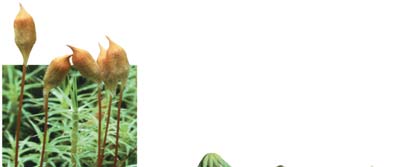
Nonvascular plants are early-diverging lineages that lack true roots, leaves, and vascular systems.
Includes liverworts (Hepatophyta), mosses (Bryophyta), and hornworts (Anthocerophyta).
Require water for reproduction and lack lignified cell walls.
Seedless Vascular Plants
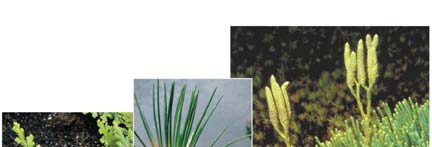
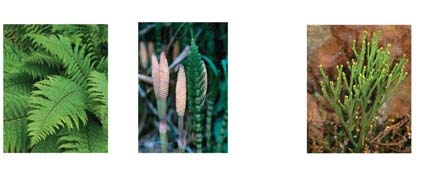
Seedless vascular plants evolved lignin-hardened vascular tissues, true roots, and leaves.
Includes lycophytes (club mosses, spike mosses, quillworts) and monilophytes (ferns, horsetails, whisk ferns).
Still require water for reproduction.
Seed Plants
Seed plants are divided into gymnosperms and angiosperms, both of which have adaptations for reproduction in dry environments.
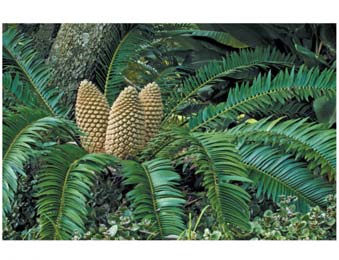
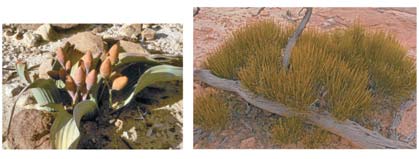
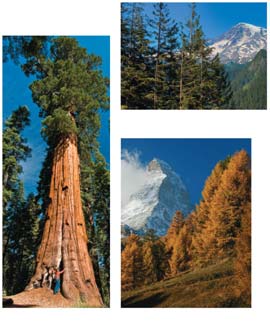
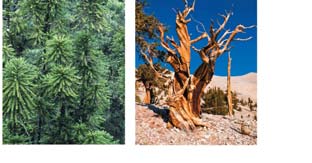
Gymnosperms are "naked seed" plants, including cycads, ginkgo, gnetophytes, and conifers.
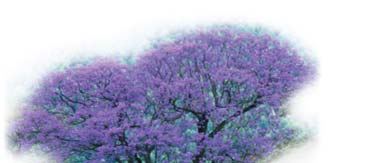
Angiosperms are flowering plants, the most diverse and dominant group.

Alternation of Generations and Plant Life Cycles
Basic Concepts
Understanding plant life cycles requires familiarity with the following terms:
Haploid (n): One set of chromosomes
Diploid (2n): Two sets of chromosomes
Mitosis: Cell division producing identical cells
Meiosis: Cell division producing haploid cells
Fertilization: Fusion of gametes to form a diploid zygote
Alternation of Generations
Plants alternate between multicellular haploid (gametophyte) and diploid (sporophyte) stages.
The gametophyte produces gametes by mitosis.
Fertilization forms a zygote, which develops into the sporophyte.
The sporophyte produces haploid spores by meiosis.
Haploid spores grow into gametophytes by mitosis.
Life Cycle Variations Among Plant Groups
Nonvascular plants (e.g., mosses): Life cycle dominated by gametophytes; sperm swim to eggs; sporophyte remains attached to gametophyte.
Seedless vascular plants (e.g., ferns): Life cycle dominated by sporophytes; gametophytes are small and independent; sperm swim to eggs.
Gymnosperms: Dominant sporophyte; gametophytes develop within cones; pollen grains carry sperm to eggs.
Angiosperms: Dominant sporophyte; gametophytes develop within flowers; pollen grains carry sperm to eggs; ovary develops into fruit.
Angiosperm Diversity and Classification
Major Angiosperm Groups
Angiosperms are divided into several groups based on evolutionary relationships and morphological traits.
Monocots: One cotyledon, parallel leaf veins, scattered vascular tissue, fibrous roots, floral organs in multiples of three.
Eudicots: Two cotyledons, netlike leaf veins, vascular tissue in a ring, taproot, floral organs in multiples of four or five.
Basal angiosperms: Oldest lineages, including Amborella trichopoda, water lilies, and star anise.
Magnoliids: Includes magnolias, laurels, and black pepper plants.
Human Welfare and Seed Plants
Importance of Seed Plants
Seed plants are essential for human survival and welfare.
Provide food, fuel, wood products, and medicines.
Six crops (wheat, rice, maize, potatoes, cassava, sweet potatoes) yield 80% of human calories.
Modern crops are products of artificial selection.
Preservation of plant diversity is critical for sustainability.
Table: Ten Phyla of Extant Plants
Classification Table
The following table summarizes the ten phyla of extant plants, their common names, and the number of known species:
Group | Phylum | Common Name | Number of Known Species |
|---|---|---|---|
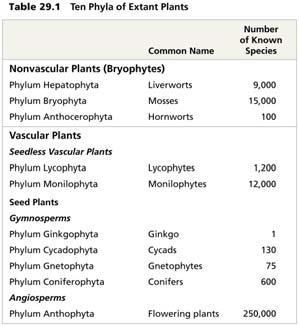
Nonvascular Plants (Bryophytes) | Hepatophyta | Liverworts | 9,000 |
Bryophyta | Mosses | 15,000 | |
Anthocerophyta | Hornworts | 100 | |
Seedless Vascular Plants | Lycophyta | Lycophytes | 1,200 |
Monilophyta | Monilophytes | 12,000 | |
Gymnosperms | Ginkgophyta | Ginkgo | 1 |
Cycadophyta | Cycads | 130 | |
Gnetophyta | Gnetophytes | 75 | |
Coniferophyta | Conifers | 600 | |
Angiosperms | Anthophyta | Flowering plants | 250,000 |
Summary
Plant diversity is shaped by evolutionary adaptations for terrestrial life.
Major plant groups are distinguished by key features such as vascular tissue, seeds, and flowers.
Alternation of generations is a central feature of plant life cycles.
Angiosperms are the most diverse and ecologically significant group.
Seed plants are vital for human welfare and ecosystem stability.
