 Back
Plant Diversity and Evolution: From Nonvascular Plants to Seed Plants
Study Guide - Smart Notes
 Tailored notes based on your materials, expanded with key definitions, examples, and context.
Origin and Diversity of Plants
Introduction to Plant Diversity
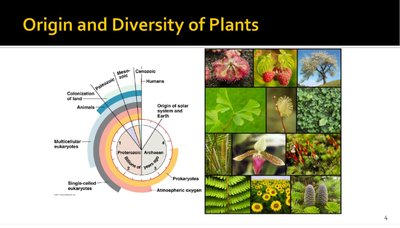
Plants are the dominant group of terrestrial organisms, exhibiting remarkable diversity in form, size, and ecological roles. They range from minute mosses to towering trees and are essential for oxygen production and as the primary source of food for land animals.
Estimated Diversity: Approximately 290,000 living species.
Habitats: Primarily terrestrial, with some aquatic adaptations.
Ecological Importance: Plants supply oxygen and form the base of most terrestrial food webs.
Classification of Plants
Major Plant Groups
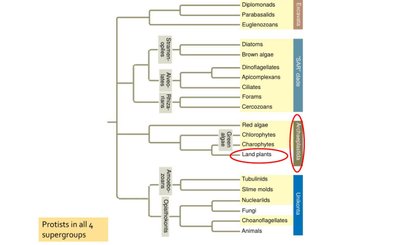
Plants are classified based on the presence or absence of vascular tissue and their reproductive strategies (spores vs. seeds).
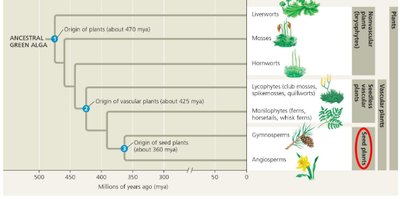
Nonvascular Plants (Bryophytes): Lack vascular tissue; include mosses, liverworts, and hornworts.
Vascular Plants: Possess vascular tissue (xylem and phloem); subdivided into seedless and seed plants.
Seedless Vascular Plants: Include lycophytes and monilophytes (ferns, horsetails).
Seed Plants: Include gymnosperms and angiosperms.
Key Anatomical Traits in Plant Evolution
Rhizoids, Vascular Tissue, Roots, and Leaves
Major anatomical innovations have enabled plants to colonize land and diversify:
Rhizoids: Hair-like structures in bryophytes for anchorage, not true roots.
Vascular Tissue: Specialized cells (xylem and phloem) for transport of water, minerals, and nutrients.
Roots: Evolved from subterranean stem portions; anchor plants and absorb water/nutrients.
Leaves: Main photosynthetic organs; classified as microphylls (single vein, lycophytes) or megaphylls (branched veins, other vascular plants).
Alternation of Generations and Plant Life Cycles
Sporophyte and Gametophyte Generations
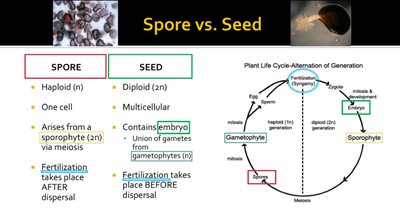
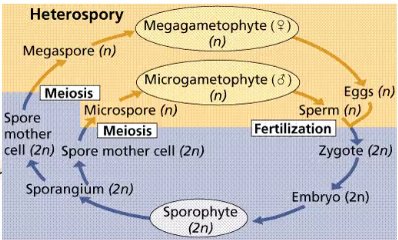
All plants exhibit alternation of generations, with multicellular haploid (gametophyte) and diploid (sporophyte) stages.
Sporophyte (2n): Produces spores by meiosis.
Gametophyte (n): Produces gametes by mitosis.
Trend: Increasing dominance of the sporophyte generation in vascular and seed plants.
Phylogeny and Evolution of Major Plant Groups
Evolutionary Timeline
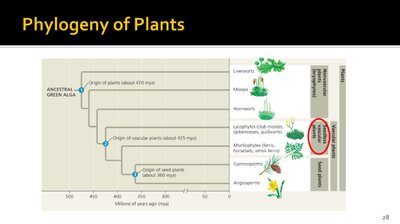
The origin and diversification of plants can be traced through the fossil record and phylogenetic analyses.
Origin of Plants: ~470 million years ago (mya) from ancestral green algae.
Vascular Plants: ~425 mya.
Seed Plants: ~360 mya.
Nonvascular Plants (Bryophytes)
Characteristics and Life Cycle
Bryophytes are small, simple plants that thrive in moist environments. Their life cycle is dominated by the gametophyte stage.
Lack true stems, roots, or leaves.
No vascular system; rely on osmosis and diffusion for water/nutrient movement.
Require water for fertilization; flagellated sperm swim to eggs.
Sporophyte is nutritionally dependent on the gametophyte.
Seedless Vascular Plants
Lycophytes and Monilophytes
Seedless vascular plants possess true vascular tissue, roots, and leaves, but reproduce via spores.
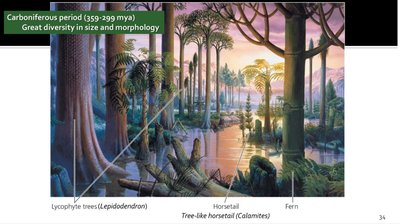
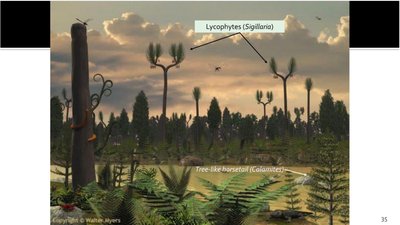
Lycophytes: Club mosses, spike mosses, quillworts; microphyll leaves.
Monilophytes: Ferns, horsetails, whisk ferns; megaphyll leaves.
Gametophytes are reduced and often subterranean.
Require moist environments for fertilization.
Spore vs. Seed: Evolutionary Innovations
Comparison and Life Cycle
Seeds represent a major evolutionary advancement over spores, providing enhanced protection and dispersal capabilities.
Spore: Haploid (n), unicellular, disperses before fertilization.
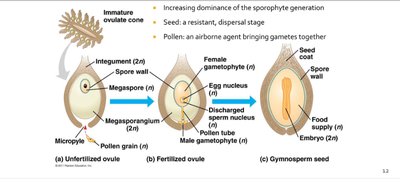
Seed: Diploid (2n), multicellular, contains embryo, disperses after fertilization.
Seeds: Allow for greater survival and colonization of diverse environments.
Seed Plants: Gymnosperms and Angiosperms
Key Traits of Seed Plants
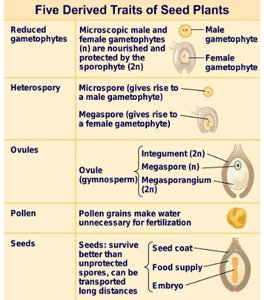
Seed plants are characterized by several derived features that have contributed to their evolutionary success.
Sporophyte dominance: The diploid sporophyte is the main plant body.
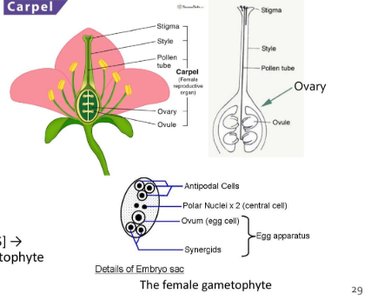
Reduced gametophytes: Microscopic and protected within sporophyte tissues.
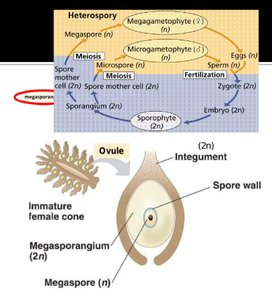
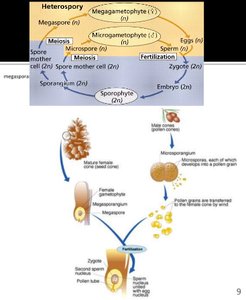
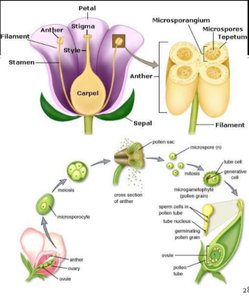
Heterospory: Production of two types of spores (megaspores and microspores).
Ovules: Structures that develop into seeds after fertilization.
Pollen: Male gametophyte enclosed in a protective wall, enabling fertilization without water.
Gymnosperms
Major Groups and Adaptations
Gymnosperms are seed plants with "naked" seeds, not enclosed in fruits. They dominated terrestrial ecosystems during the Mesozoic era.
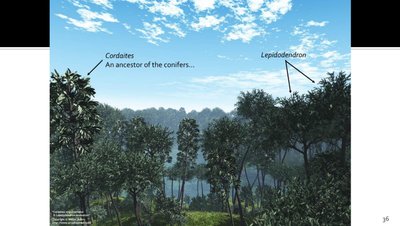
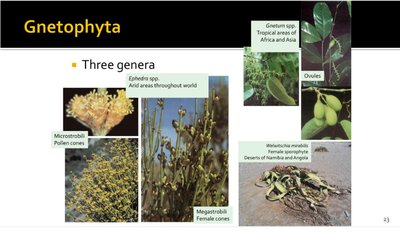
Major phyla: Cycadophyta, Ginkgophyta, Gnetophyta, Coniferophyta.
Conifers: Largest group; most are evergreen and important for lumber and paper.
Adaptations: Needle-like leaves, thick cuticles, and seeds adapted for dispersal and survival in dry conditions.
Angiosperms (Flowering Plants)
Structure and Diversity
Angiosperms are the most diverse and widespread group of plants, characterized by flowers and fruits.
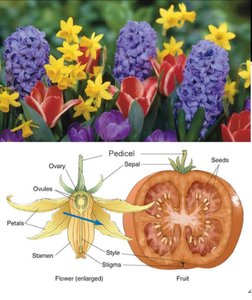
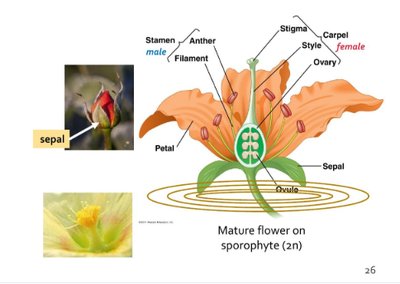
Flowers: Specialized reproductive structures with sepals, petals, stamens (male), and carpels (female).
Fruits: Mature ovaries that protect seeds and aid in dispersal.
Diversity: Includes monocots (e.g., grasses, lilies) and eudicots (e.g., sunflowers, roses).
Evolution and Phylogeny of Flowering Plants
Major Events and Lineages
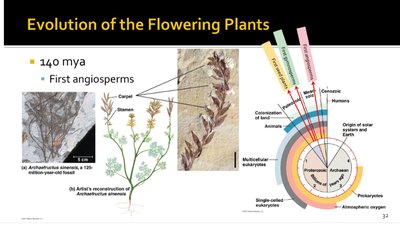
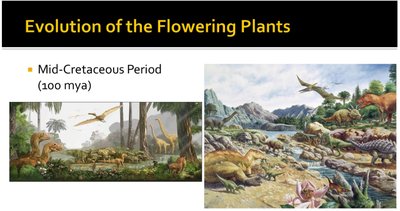
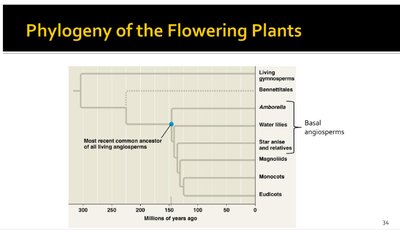
Angiosperms originated approximately 140 million years ago and rapidly diversified, especially during the Cretaceous period.
Basal angiosperms: Water lilies, star anise, and relatives.
Magnoliids: Magnolias, laurels, black peppers.
Monocots: Orchids, grasses, lilies.
Eudicots: Sunflowers, peas, roses, and many others.
Importance of Angiosperms
Ecological and Economic Roles
Angiosperms are crucial for human society and ecosystems.
Food: Major crops (rice, wheat, maize, potatoes, cassava, sweet potatoes) provide most human calories.
Other Uses: Spices, beverages, medicines, wood, and ornamental plants.
