 Back
Plant Diversity and Evolution III: Innovations, Life Cycles, and the Rise of Seed Plants
Study Guide - Smart Notes
 Tailored notes based on your materials, expanded with key definitions, examples, and context.
Plant Diversity and Major Evolutionary Innovations
Overview of Plant Lineages
This section outlines the major groups in plant evolution, from algae to advanced seed plants. Understanding these groups is essential for tracing the evolutionary innovations that allowed plants to colonize land and diversify.
Red Algae (Rhodophyta): Early-diverging photosynthetic eukaryotes, primarily marine.
Glaucophytes: Unicellular algae with primitive chloroplasts.
Chlorophytes: Green algae, mostly aquatic.
Charophytes: Green algae closely related to land plants; divided into simple and complex forms.
Bryophyta: Non-vascular land plants (mosses and relatives).
Lycophyta: Club mosses and relatives, early vascular plants.
Monilophyta: Ferns and their allies.
Gymnosperms: Seed plants with "naked seeds" (e.g., conifers).
Angiosperms: Flowering plants, the most diverse group.
Key Innovations for Life on Land
As plants adapted to terrestrial environments, they evolved several critical features. These innovations are mapped onto the plant phylogeny to show when they arose.
Cuticle: Waxy layer preventing water loss.
Stomata: Pores for gas exchange.
Delayed Meiosis: Retention of the zygote, leading to multicellular embryos.
Stems and Branching: Structural support and increased photosynthetic area.
Vascular Tissue: Specialized cells for water and nutrient transport.
Diploid Dominance: Sporophyte becomes the dominant life stage.
Leaves: Increased surface area for photosynthesis.
Heterospory: Production of two types of spores (micro- and megaspores).
Ovules and Seeds: Protection and nourishment for the developing embryo.
Flowers and Fruits: Enhanced reproductive success and seed dispersal.

Major Clades and Their Defining Characters
Land Plants (Embryophyta)
Land plants are defined by several key features that distinguish them from their algal ancestors.
Delayed meiosis: Zygote develops into a multicellular embryo within the parent.
Cuticle and Stomata: Adaptations for terrestrial life.
Vascular Plants (Tracheophyta)
Vascular plants possess specialized tissues for transport and support, allowing them to grow larger and colonize diverse habitats.
Vascular tissue: Xylem and phloem for water and nutrient transport.
Branching: Enables complex plant architecture.
Dominant sporophyte: The diploid generation is the main plant body.

Euphyllophytes
Euphyllophytes include ferns and seed plants, united by the presence of true leaves (megaphylls).
True leaves: Large, complex leaves with branched veins.

Seed Plants (Spermatophyta)
Seed plants are defined by several reproductive innovations that enhance survival and dispersal.
Heterospory: Separate microspores (male) and megaspores (female).
Ovules: Structures that develop into seeds after fertilization.
Pollen: Male gametophyte adapted for dispersal.
Seeds: Embryo, food supply, and protective coat.

Seed Plant Life Cycles: Homospory vs. Heterospory
Homospory
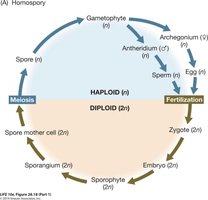
Homospory is the ancestral condition in which a single type of spore gives rise to a bisexual gametophyte.
Spore (n) produces a gametophyte with both male and female organs.
Common in ferns and most non-seed plants.
Heterospory
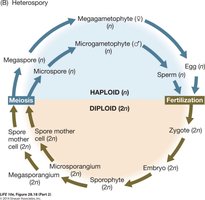
Heterospory involves the production of two distinct types of spores: microspores (male) and megaspores (female).
Microspores develop into microgametophytes (pollen grains).
Megaspores develop into megagametophytes (within ovules).
Characteristic of all seed plants.
Seed Plant Reproduction: Ovules, Seeds, and Pollination
Structure of the Ovule
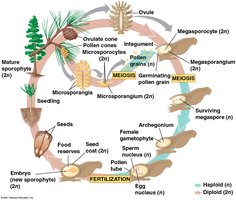
The ovule is the structure in seed plants that develops into a seed after fertilization. It consists of several layers and cell types:
Integument (2n): Protective outer layer.
Megasporangium (2n): Tissue producing the megaspore.
Megaspore (n): Haploid cell that develops into the female gametophyte.
Megagametophyte (n): Produces the egg cell.
Pollen grain (microspore coat): Contains the male gametophyte.
Fertilization produces a zygote, which develops into the embryonic sporophyte.
After fertilization, the ovule matures into a seed, containing the embryo and a food reserve.
Seed Plant Life Cycle
The seed plant life cycle is characterized by the dominance of the sporophyte and the reduction of the gametophyte generation. Fertilization occurs within the ovule, and seeds are the primary dispersal unit.
Trends in Plant Life Cycles
From Gametophyte to Sporophyte Dominance
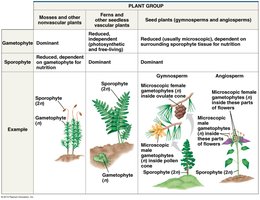
Over evolutionary time, the dominant generation in the plant life cycle shifted from the haploid gametophyte to the diploid sporophyte. This trend is associated with increased protection of reproductive stages and greater adaptability.
Gametophyte dominance (bryophytes) → Sporophyte dominance (vascular and seed plants)
Gametophyte becomes reduced and dependent on the sporophyte in seed plants.
Adaptations for Reproduction on Land
Sperm swimming to sperm carried by pollen: Reduces dependence on water for fertilization.
Spore dispersal to seed dispersal: Seeds provide protection and nourishment, allowing for greater dispersal opportunities.
Pollinator mutualisms: Flowers co-evolve with pollinators to enhance reproductive success.
Seed Plants: Gymnosperms and Angiosperms
Key Differences
Seed plants are divided into two major groups: gymnosperms and angiosperms. Angiosperms are distinguished by the presence of flowers and fruits.
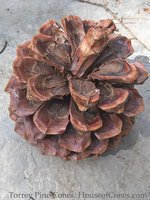
Gymnosperms: "Naked seeds," no fruit, wind pollination.
Angiosperms: Flowers, fruit, and often animal pollination.
Flower Structure and Function
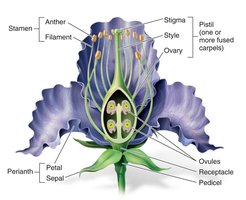
Flowers are specialized reproductive structures unique to angiosperms. They consist of several parts, each with a specific function in reproduction.
Stamen: Male organ (anther and filament).
Pistil (carpel): Female organ (stigma, style, ovary).
Petals and sepals: Attract pollinators and protect reproductive organs.
Pollination Syndromes
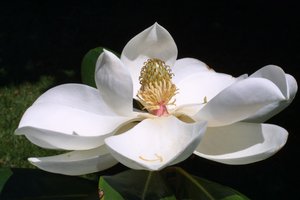
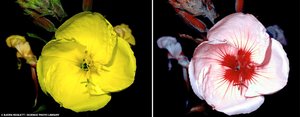
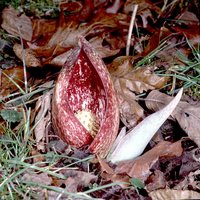
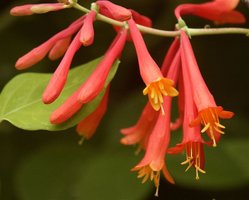
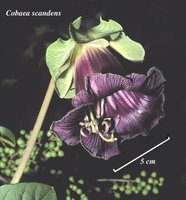
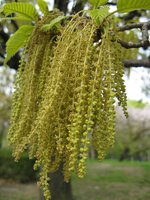
Pollination syndromes are suites of flower traits that attract specific pollinators. These include scent, color, shape, and timing of flowering. Co-evolution with pollinators has driven the diversity of flower forms.
Specialized flowers increase the likelihood of successful pollination.
Fruits and Seed Dispersal
Fruit Development
After fertilization, the ovule develops into a seed and the ovary into a fruit. Fruits protect seeds and aid in their dispersal.
There is significant variation in fruit structure and function among angiosperms.
Seed Dispersal Mechanisms
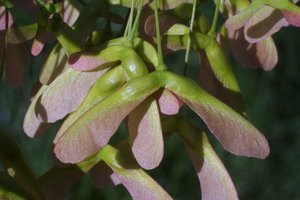
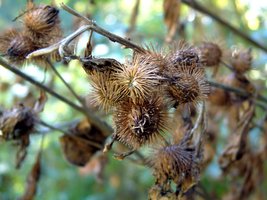
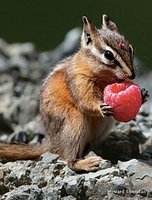
Plants have evolved diverse strategies for seed dispersal, including wind, water, and animals. These adaptations increase the likelihood of seed survival and colonization of new habitats.
Summary Table: Major Plant Groups and Life Cycle Features
Plant Group | Gametophyte | Sporophyte | Example |
|---|---|---|---|
Mosses and other nonvascular plants | Dominant | Reduced, dependent on gametophyte | Sporophyte (small), Gametophyte (large) |
Ferns and other seedless vascular plants | Reduced, independent | Dominant | Sporophyte (large), Gametophyte (small) |
Seed plants (gymnosperms and angiosperms) | Reduced, microscopic, dependent on sporophyte | Dominant | Gymnosperm: Microscopic female gametophyte inside ovule; Angiosperm: Microscopic female gametophyte inside flower |
Phylogenetic Context: Major Transitions in Plant Evolution
Key evolutionary transitions include the origin of chloroplasts (primary endosymbiosis), the emergence of land plants (Embryophyta), the development of vascular tissue (Tracheophyta), true leaves (Euphyllophyta), and seeds (Spermatophyta). Each transition is associated with new adaptations that enabled plants to diversify and dominate terrestrial ecosystems.
Archaeplastida: Primary endosymbiotic origin of chloroplasts.
Viridiplantae: Chlorophyll b, starch storage.
Streptophyta: Phragmoplast, rosette proteins, gametangia.
Embryophyta: Delayed meiosis, cuticle, stomata.
Tracheophyta: Vascular tissue, branching, dominant sporophyte.
Euphyllophyta: True leaves.
Spermatophyta: Heterospory, ovules, pollen, seeds.
