 Back
BackChapter 29 - Plant Diversity I: How Plants Colonized Land
Study Guide - Smart Notes
 Tailored notes based on your materials, expanded with key definitions, examples, and context.
Plant Diversity I: How Plants Colonized Land
Introduction to Plant Diversity and the Greening of Earth
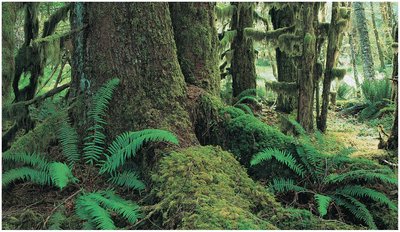
Plants are essential to terrestrial ecosystems, providing oxygen, food, and habitat for other organisms. The colonization of land by plants was a pivotal event in Earth's history, leading to the diversification of terrestrial life.
Plants are multicellular, primarily photosynthetic eukaryotes that form the kingdom Plantae.
Algae are photosynthetic protists and are not classified within the plant kingdom.
Plants are the ultimate source of most food eaten by land animals and are crucial oxygen producers.
The Role of Plants in Oxygen Production
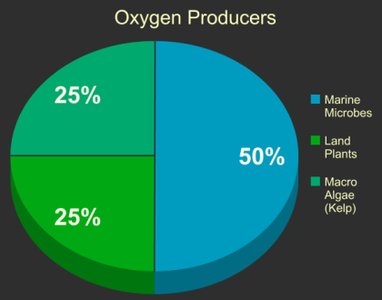
Plants, along with marine microbes and macroalgae, contribute significantly to Earth's oxygen supply. However, land plants are responsible for only a portion of global oxygen production.
Marine microbes (such as cyanobacteria and phytoplankton) produce about 50% of Earth's oxygen.
Land plants contribute approximately 25%.
Macroalgae (kelp and similar organisms) contribute the remaining 25%.
Key Derived Traits of Plants
Plants evolved from green algae, specifically a group called charophytes. Several key traits distinguish plants from their algal relatives and enabled their successful colonization of land.
Rings of cellulose-synthesizing proteins in the plasma membrane.
Structure of flagellated sperm similar to charophytes.
Formation of a phragmoplast during cell division.
Sporopollenin: A durable polymer that prevents exposed zygotes from drying out.
Adaptations for Life on Land
Transitioning to land provided plants with unfiltered sunlight and nutrient-rich soil, but also posed challenges such as desiccation and lack of structural support. Plants evolved several adaptations to overcome these challenges:
Cuticle: A waxy covering that prevents water loss.
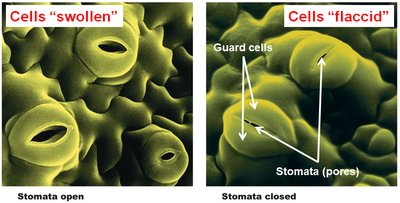
Stomata: Pores that regulate gas exchange and water loss.
Mycorrhizae: Symbiotic associations with fungi to aid nutrient uptake.
Five Key Traits of Nearly All Land Plants
These traits are present in nearly all land plants but absent in charophytes:
Alternation of generations
Multicellular, dependent embryos
Walled spores produced in sporangia
Multicellular gametangia
Apical meristems
1. Alternation of Generations
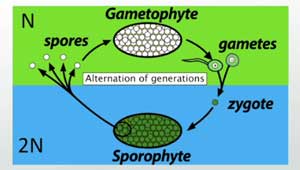
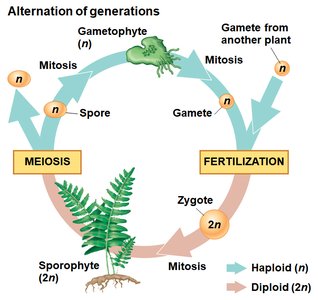
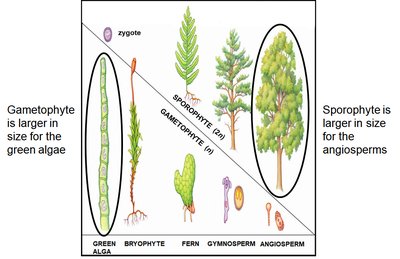
Plants alternate between two multicellular generations: the haploid gametophyte and the diploid sporophyte. This life cycle is called alternation of generations.
Gametophyte (n): Produces gametes by mitosis.
Sporophyte (2n): Produces spores by meiosis.
Fusion of gametes forms a zygote, which develops into the sporophyte.
2. Multicellular, Dependent Embryos
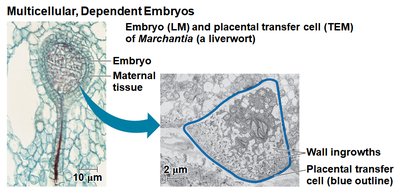
The diploid embryo is retained within the tissue of the female gametophyte. Nutrients are transferred from parent to embryo through specialized placental transfer cells. This feature gives plants the name embryophytes.
3. Walled Spores Produced in Sporangia
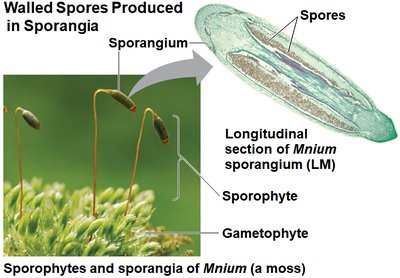
Sporophytes produce spores in organs called sporangia. Diploid cells called sporocytes undergo meiosis to generate haploid spores. Spore walls contain sporopollenin, making them resistant to harsh environments.
4. Multicellular Gametangia
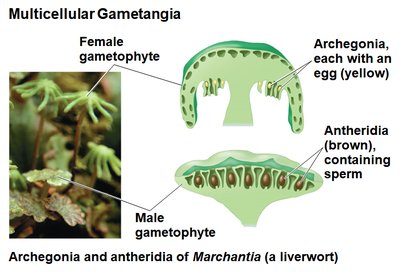
Gametes are produced within organs called gametangia. Female gametangia (archegonia) produce eggs, while male gametangia (antheridia) produce and release sperm.
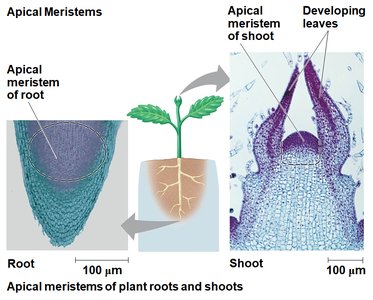
5. Apical Meristems
Plants sustain continual growth in length by repeated cell division within apical meristems. These regions contain undifferentiated cells that can develop into various tissues.
The Origin and Diversification of Plants
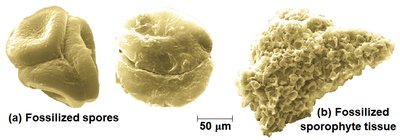
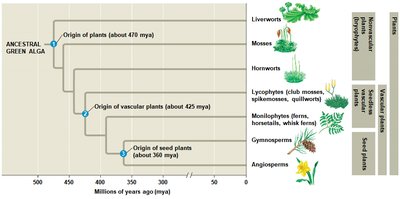
Fossil evidence indicates that plants colonized land at least 470 million years ago. The appearance of plant spores and tissues in ancient rocks marks the origin of land plants.
Major Groups of Land Plants
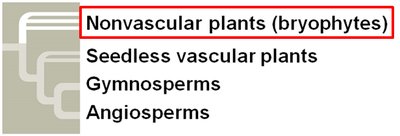
Land plants are classified into several major groups based on the presence or absence of vascular tissue and seeds:
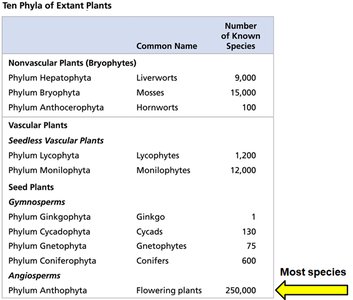
Nonvascular plants (Bryophytes): Liverworts, mosses, hornworts
Seedless vascular plants: Lycophytes (club mosses, spike mosses, quillworts), Monilophytes (ferns, horsetails, whisk ferns)
Seed plants: Gymnosperms (conifers, cycads, ginkgo, gnetophytes), Angiosperms (flowering plants)
Bryophytes and Nonvascular Plants
Characteristics of Bryophytes
Bryophytes are small, nonvascular plants that include liverworts, mosses, and hornworts. They represent the earliest lineages to diverge from the common ancestor of land plants.
Gametophyte is the dominant, longer-lived stage.
Sporophyte is typically present only part of the time and is dependent on the gametophyte.
Rhizoids anchor gametophytes to the substrate but do not absorb water and nutrients like true roots.
Many bryophytes can reproduce asexually by producing brood bodies.
Bryophyte Life Cycle
In bryophytes, the gametophyte is the dominant form, and the sporophyte is smaller and dependent on the gametophyte for nutrition.
Bryophyte Sporophytes
Bryophyte sporophytes are the smallest and simplest among extant plant groups. They consist of a foot, a seta (stalk), and a sporangium (capsule) that discharges spores through a peristome. Only hornwort and moss sporophytes have stomata; liverworts do not.
Ecological and Economic Importance of Mosses
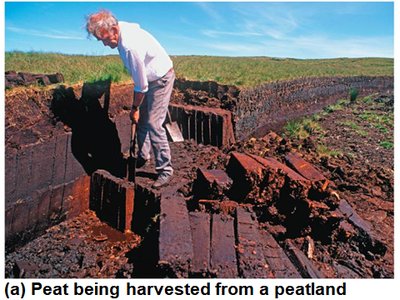
Mosses, especially Sphagnum (peat moss), form extensive peatlands that store large amounts of carbon and are used as fuel and soil conditioners. Peatlands cover about 3% of Earth's land surface and contain roughly 30% of the world's soil carbon supply.
Seedless Vascular Plants
Origins and Traits of Vascular Plants
Vascular plants evolved about 425 million years ago and are characterized by the presence of vascular tissues (xylem and phloem), roots, leaves, and life cycles with dominant sporophytes.
Xylem: Conducts water and minerals; contains lignin for structural support.
Phloem: Distributes sugars, amino acids, and other organic products.
Roots: Anchor plants and absorb water and nutrients from the soil.
Leaves: Increase surface area for photosynthesis; can be microphylls (small, single vein) or megaphylls (large, branched veins).
Sporophylls and Spore Variations
Sporophylls are modified leaves that bear sporangia. Most seedless vascular plants are homosporous, producing one type of spore. Some are heterosporous, producing megaspores (female gametophytes) and microspores (male gametophytes).
Classification of Seedless Vascular Plants
Phylum Lycophyta: Club mosses, spike mosses, quillworts
Phylum Monilophyta: Ferns, horsetails, whisk ferns
Ferns are the most widespread seedless vascular plants, thriving in both tropical and temperate regions. Horsetails are now restricted to the genus Equisetum, and whisk ferns resemble ancestral vascular plants.
Summary Table: Major Plant Groups
Group | Key Features | Examples |
|---|---|---|
Nonvascular Plants (Bryophytes) | No vascular tissue, dominant gametophyte | Liverworts, mosses, hornworts |
Seedless Vascular Plants | Vascular tissue, dominant sporophyte, no seeds | Ferns, horsetails, club mosses |
Seed Plants | Vascular tissue, seeds, dominant sporophyte | Gymnosperms, angiosperms |
