 Back
Plant Diversity I: How Plants Colonized Land
Study Guide - Smart Notes
 Tailored notes based on your materials, expanded with key definitions, examples, and context.
Plant Diversity I: How Plants Colonized Land
Overview: The Greening of Earth
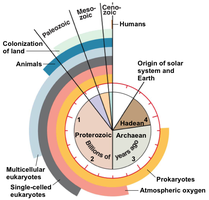
For much of Earth's history, terrestrial surfaces were devoid of life. The colonization of land by plants, fungi, and animals marked a pivotal event in the evolution of life. Cyanobacteria likely existed on land about 1.2 billion years ago, but it was not until around 500 million years ago that small plants, fungi, and animals began to emerge on land. Since then, plants have diversified into approximately 290,000 living species, supplying oxygen and serving as the ultimate source of most food for terrestrial animals.
Concept 29.1: Land Plants Evolved from Green Algae
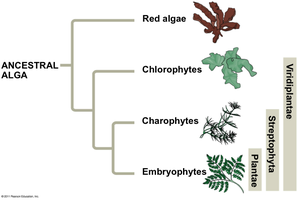
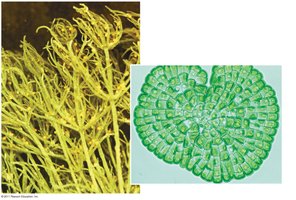
Land plants share a common ancestor with green algae, specifically a group called charophytes. While land plants are not descended from modern charophytes, they are closely related and share several key features. This evolutionary relationship is supported by molecular and morphological evidence.
Adaptations Enabling the Move to Land
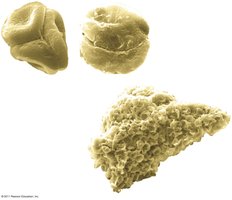
Transitioning from aquatic to terrestrial environments required several adaptations. In charophytes, a durable polymer called sporopollenin protects exposed zygotes from desiccation. This adaptation is also found in the walls of plant spores. The move to land offered advantages such as unfiltered sunlight, abundant CO2, nutrient-rich soil, and initially few herbivores or pathogens. However, it also presented challenges, including water scarcity and the need for structural support.
Derived Traits of Plants
Land plants possess several derived traits not found in charophytes. These include:
Alternation of generations
Multicellular, dependent embryos
Walled spores produced in sporangia
Multicellular gametangia
Apical meristems
Alternation of Generations and Multicellular, Dependent Embryos
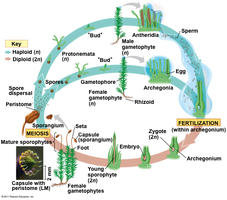
Plants alternate between two multicellular stages in their life cycle: the haploid gametophyte and the diploid sporophyte. The gametophyte produces gametes by mitosis, which fuse to form a diploid zygote. The sporophyte produces haploid spores by meiosis. The diploid embryo is retained within the tissue of the female gametophyte, where nutrients are transferred via placental transfer cells. This dependency is why land plants are also called embryophytes.
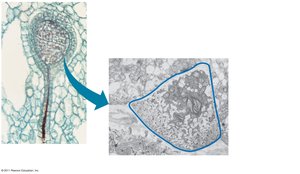
Walled Spores Produced in Sporangia
The sporophyte produces spores in organs called sporangia. Diploid cells called sporocytes undergo meiosis to generate haploid spores. The walls of these spores contain sporopollenin, making them resistant to harsh environments.
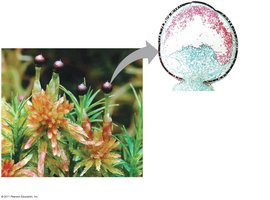
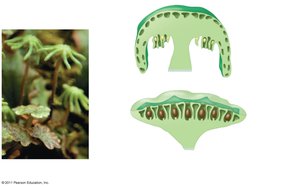
Multicellular Gametangia
Gametes are produced within multicellular organs called gametangia. Female gametangia, or archegonia, produce eggs and are the site of fertilization. Male gametangia, or antheridia, produce and release sperm.
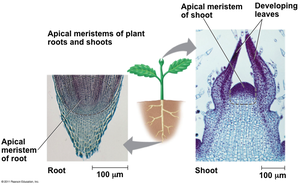
Apical Meristems
Plants sustain continual growth in regions called apical meristems, located at the tips of roots and shoots. Cells produced by apical meristems differentiate into various tissues, enabling the plant to grow and adapt to its environment.
Additional Derived Traits
Cuticle: A waxy covering that prevents water loss.
Stomata: Specialized cells for gas exchange.
Mycorrhizae: Symbiotic associations with fungi that aid in nutrient uptake.
The Origin and Diversification of Plants
Fossil evidence indicates that plants were present on land at least 470 million years ago. Fossilized spores and tissues have been found in rocks dating back 450 million years. Land plants are grouped based on the presence or absence of vascular tissue:
Vascular plants: Have specialized tissues (xylem and phloem) for transport.
Nonvascular plants (bryophytes): Lack vascular tissue.
Concept 29.2: Mosses and Other Nonvascular Plants (Bryophytes) Have Life Cycles Dominated by Gametophytes
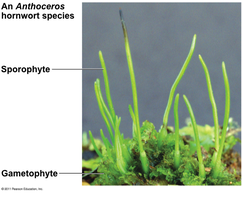
Bryophytes, including mosses, liverworts, and hornworts, have life cycles in which the gametophyte is the dominant stage. Spores germinate into gametophytes, which are anchored by rhizoids. Mature gametophytes produce flagellated sperm in antheridia and eggs in archegonia. Fertilization requires water, as sperm must swim to reach the egg.
Bryophyte Sporophytes
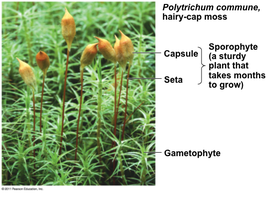
Bryophyte sporophytes are small and simple, consisting of a foot, a seta (stalk), and a sporangium (capsule) that discharges spores through a peristome.
The Ecological and Economic Importance of Mosses
Mosses inhabit diverse environments, especially moist forests and wetlands. Sphagnum (peat moss) forms extensive deposits of partially decayed organic material known as peat, which is used as fuel and is a significant global carbon reservoir. Overharvesting or draining peatlands can release stored CO2 into the atmosphere, impacting climate change.
Concept 29.3: Ferns and Other Seedless Vascular Plants Were the First Plants to Grow Tall
During the Devonian and Carboniferous periods, vascular plants began to diversify and grow tall due to the evolution of vascular tissue. Seedless vascular plants, such as ferns, lycophytes, and horsetails, have flagellated sperm and are typically restricted to moist environments.
Origins and Traits of Vascular Plants
Vascular plants are characterized by:
Life cycles with dominant sporophytes
Vascular tissues: xylem (water and mineral transport) and phloem (transport of sugars and organic products)
Well-developed roots and leaves
Transport in Xylem and Phloem
Xylem consists of dead cells called tracheids and conducts water and minerals, providing structural support due to lignin. Phloem consists of living cells and distributes sugars, amino acids, and other organic products. The evolution of vascular tissue allowed plants to grow taller and compete more effectively for sunlight.
The Significance of Seedless Vascular Plants
The ancestors of modern lycophytes, horsetails, and ferns formed the first forests, which contributed to global cooling by removing CO2 from the atmosphere. The remains of these ancient plants eventually became coal, an important fossil fuel.
