 Back
BackPlant Diversity II: The Evolution of Seed Plants – Structured Study Notes
Study Guide - Smart Notes
 Tailored notes based on your materials, expanded with key definitions, examples, and context.
Plant Diversity II: The Evolution of Seed Plants
Adaptations for Terrestrial Life
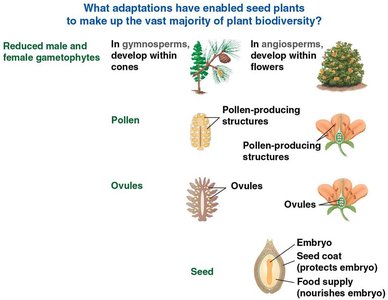
Seed plants have evolved several adaptations that allow them to thrive in terrestrial environments. These adaptations include the development of seeds, pollen, reduced gametophytes, heterospory, ovules, and protective coats. Such features enable plants to cope with drought, UV radiation, and facilitate reproduction without water.
Seeds: Consist of an embryo, nutrient supply, and a protective coat.
Pollen: Allows fertilization without water, enabling long-distance dispersal.
Reduced Gametophytes: Microscopic and protected within the sporophyte.
Heterospory: Production of distinct male and female spores.
Ovules: Structures that produce eggs and develop into seeds after fertilization.
Seed Plant Adaptations and Biodiversity
Seed plants dominate terrestrial ecosystems due to their unique reproductive adaptations. The versatility of seeds and pollen has enabled them to colonize diverse habitats and become the most successful group of land plants.
Seed dispersal: Seeds can be transported by wind, water, or animals.
Protective seed coat: Shields the embryo from harsh conditions.
Food supply: Nourishes the embryo during germination.
Life Cycle and Alternation of Generations
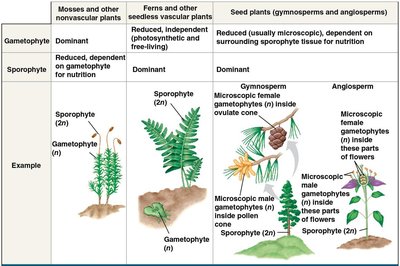
Seed plants exhibit alternation of generations, with both multicellular haploid (gametophyte) and multicellular diploid (sporophyte) stages. The sporophyte is dominant, and gametophytes are reduced and dependent on the sporophyte for nutrition.
Gametophyte: Produces gametes (egg and sperm).
Sporophyte: Produces spores via meiosis.
Classification of Terrestrial Plants
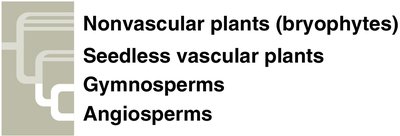
Terrestrial plants are classified into four main groups based on their evolutionary adaptations:
Nonvascular plants (bryophytes): Dominant gametophyte stage.
Seedless vascular plants: Dominant sporophyte stage, independent gametophyte.
Gymnosperms: Seed plants with "naked" seeds, usually in cones.
Angiosperms: Seed plants with seeds enclosed in fruits, reproductive structures called flowers.
Seed Plant Life Cycle
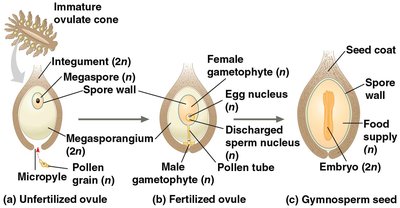
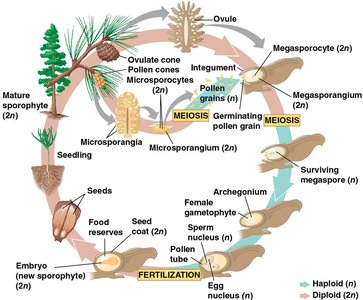
The life cycle of seed plants is characterized by the production of male and female gametophytes, fertilization, and seed development. In gymnosperms, seeds are exposed on cones, while in angiosperms, seeds are enclosed within fruits.
Male gametophyte: Develops from microspores into pollen grains.
Female gametophyte: Develops from megaspores within ovules.
Fertilization: Pollen tube delivers sperm to the egg, forming a zygote.
Seed formation: Embryo, food supply, and seed coat.
Gymnosperm Diversity
Gymnosperms are divided into four phyla, each with unique characteristics and ecological significance:
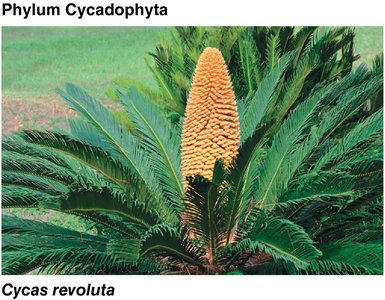
Cycadophyta: Large cones, palmlike leaves, flagellated sperm.
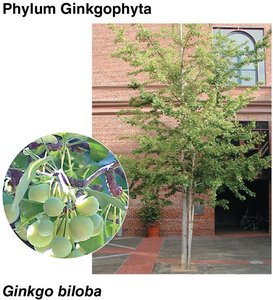
Ginkgophyta: Only one living species, Ginkgo biloba, tolerant to pollution.
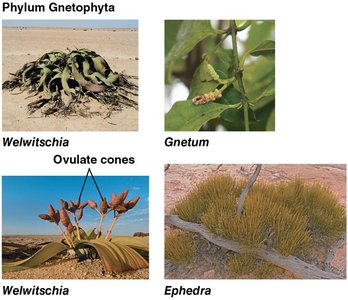
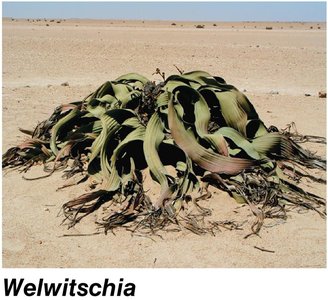
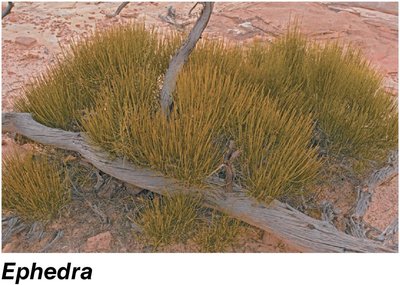
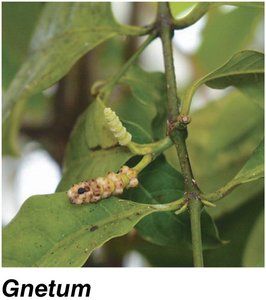
Gnetophyta: Includes Gnetum, Ephedra, and Welwitschia, diverse habitats.
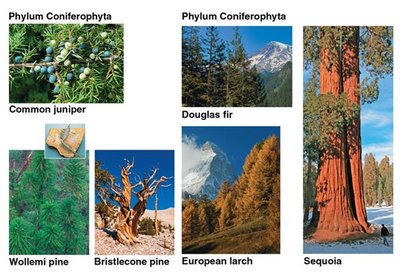
Coniferophyta: Largest phylum, needlelike or scalelike leaves, mostly evergreens.
Angiosperm Diversity and Adaptations
Angiosperms are the most diverse and widespread group of plants, characterized by flowers and fruits. They are classified into monocots, eudicots, basal angiosperms, and magnoliids.
Flowers: Specialized for sexual reproduction, attract pollinators.
Fruits: Protect seeds and aid in dispersal.
Monocots: One cotyledon, includes grasses and orchids.
Eudicots: Two cotyledons, includes legumes, roses, and most trees.
Human Welfare and Seed Plants
Seed plants are essential for human survival, providing food, fuel, wood, and medicines. The preservation of plant diversity is critical for maintaining ecosystem services and discovering new medicinal compounds.
Food: Most human calories come from angiosperms.
Medicine: Many drugs are derived from seed plants.
Threats: Habitat destruction and loss of biodiversity threaten plant and animal species.
Table: Examples of Plant-Derived Medicines
Compound | Source | Use |
|---|---|---|
Atropine | Belladonna plant | Eye pupil dilator |
Digitalin | Foxglove | Heart medication |
Menthol | Eucalyptus tree | Throat soother |
Quinine | Cinchona tree | Malaria preventive |
Taxol | Pacific yew | Ovarian cancer drug |
Tubocurarine | Curare tree | Muscle relaxant |
Vinblastine | Periwinkle | Leukemia drug |
Key Equations and Concepts
Alternation of Generations: Multicellular haploid and diploid stages alternate in the plant life cycle.
Meiosis:
Fertilization:
Summary Table: Gametophyte-Sporophyte Relationships
Plant Group | Gametophyte | Sporophyte | Example |
|---|---|---|---|
Mosses (nonvascular) | Dominant | Reduced | Sporophyte (2n), Gametophyte (n) |
Ferns (seedless vascular) | Reduced, independent | Dominant | Sporophyte (2n), Gametophyte (n) |
Seed plants | Reduced, dependent | Dominant | Microscopic gametophytes, Sporophyte (2n) |
Example: Seed Dispersal and Colonization
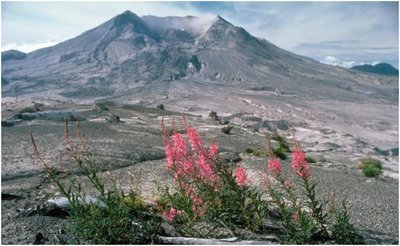
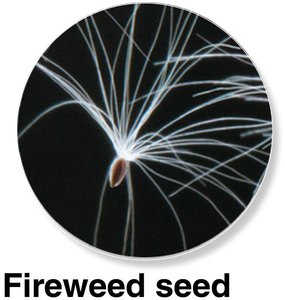
Fireweed (Chamerion angustifolium) rapidly colonized the barren landscape after the eruption of Mount St. Helens, demonstrating the effectiveness of seed dispersal mechanisms in seed plants.
Additional info:
Seed plants' reduced gametophytes are protected from environmental stress and receive nutrients from the parent sporophyte, increasing their survival and reproductive success.
Heterospory is a key evolutionary innovation, leading to the separation of male and female gametophytes and enhancing reproductive efficiency.
