 Back
Plant Diversity II: The Evolution of Seed Plants
Study Guide - Smart Notes
 Tailored notes based on your materials, expanded with key definitions, examples, and context.
Plant Diversity II: The Evolution of Seed Plants
Overview: Transforming the World
Seed plants revolutionized terrestrial ecosystems, becoming the dominant producers due to their evolutionary innovations. The origin of seeds, which encapsulate an embryo and nutrients within a protective coat, allowed plants to colonize diverse environments and facilitated the development of permanent human settlements through domestication.
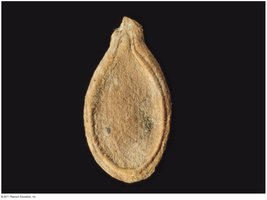
Concept 30.1: Seeds and Pollen Grains as Key Adaptations
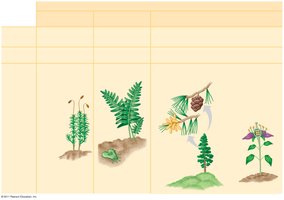
Seed plants possess several derived traits that distinguish them from earlier plant lineages, enabling successful reproduction and survival on land. These adaptations include reduced gametophytes, heterospory, ovules, and pollen.
Reduced Gametophytes
Definition: In seed plants, gametophytes are microscopic and develop within the protective tissues of the parent sporophyte.
Evolutionary Significance: This reduction minimizes exposure to environmental stress and enhances protection and nourishment of gametes.
Heterospory
Definition: Seed plants produce two types of spores: megaspores (female) and microspores (male).
Megasporangia: Produce megaspores, which develop into female gametophytes.
Microsporangia: Produce microspores, which develop into male gametophytes.
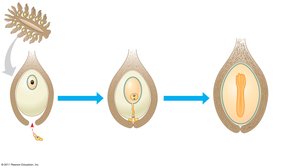
Ovules and the Production of Eggs and Sperm
Ovule Structure: Consists of a megasporangium, megaspore, and one or more protective integuments.
Microspores: Develop into pollen grains containing male gametophytes.
Pollen and Production of Sperm
Pollination: The transfer of pollen to the part of a seed plant containing ovules, eliminating the need for water for fertilization.
Pollen Tube: Upon germination, the pollen tube delivers sperm directly to the female gametophyte within the ovule.
The Evolutionary Advantage of Seeds
Seed Structure: A seed is a sporophyte embryo with a food supply, encased in a protective coat.
Advantages Over Spores:
Can remain dormant until conditions are favorable for germination.
Contain stored food to support early growth.
Can be dispersed over long distances by wind or animals.
Five Derived Traits of Seed Plants
Reduced gametophytes
Heterospory
Ovules
Pollen
Seeds
Major Clades of Seed Plants: Gymnosperms and Angiosperms
Seed plants are divided into two major clades: gymnosperms ("naked seeds," usually in cones) and angiosperms (flowering plants with seeds enclosed in fruits). Gymnosperms dominated during the Mesozoic era, while angiosperms now dominate most terrestrial ecosystems.
Gymnosperm Diversity
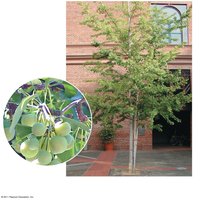
Phylum Ginkgophyta: Contains a single living species, Ginkgo biloba, known for its tolerance to pollution and use as an ornamental tree.
Phylum Gnetophyta: Includes genera such as Gnetum, Ephedra, and Welwitschia, which inhabit diverse environments.
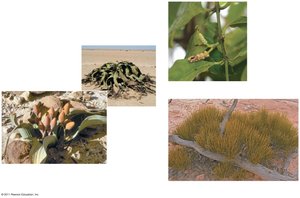
Phylum Coniferophyta: The largest gymnosperm phylum, consisting mostly of evergreens capable of year-round photosynthesis.
The Life Cycle of a Pine: A Closer Look
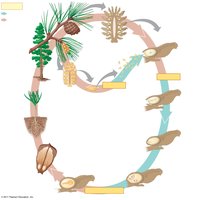
The gymnosperm life cycle is characterized by a dominant sporophyte generation, seed development from fertilized ovules, and pollen-mediated sperm transfer. Pines serve as a model for understanding these processes.
Sporophyte: The pine tree is the diploid sporophyte, producing male and female cones.
Male Cones: Produce microspores (pollen grains) containing male gametophytes.
Female Cones: Contain ovules that produce megaspores, which develop into female gametophytes.
Angiosperms: Flowers and Fruits
Angiosperms are seed plants with specialized reproductive structures—flowers and fruits. They are the most diverse and widespread group of plants, with many species relying on animal pollinators.
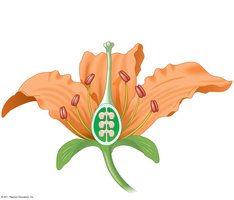
Flower Structure: Flowers are composed of sepals (enclose the flower), petals (attract pollinators), stamens (produce pollen), and carpels (produce ovules).
Stamen: Consists of a filament and anther (pollen production site).
Carpel: Consists of an ovary (contains ovules), style, and stigma (pollen reception site).
Fruits: Mature ovaries that protect seeds and aid in their dispersal. Fruits can be fleshy or dry and have adaptations for dispersal by wind, water, or animals.
The Angiosperm Life Cycle
Angiosperms exhibit a life cycle with both male and female structures in the flower. Pollination leads to double fertilization, where one sperm fertilizes the egg and another forms the triploid endosperm, which nourishes the embryo.
Male Gametophytes: Contained within pollen grains produced by anthers.
Female Gametophyte (Embryo Sac): Develops within an ovule inside the ovary.
Double Fertilization: One sperm fertilizes the egg (forms zygote), another fuses with two nuclei to form endosperm (nutritive tissue).
Seed Structure: Contains embryo (root and cotyledons), endosperm, and seed coat.
Evolutionary Links Between Angiosperms and Animals
Angiosperms and animals have co-evolved, influencing each other's adaptations. Animal herbivory has driven the evolution of plant defenses, while pollinator interactions have led to specialized mutualisms.
Concept 30.4: Human Welfare and Seed Plants
Seed plants are essential for human survival, providing food, fuel, wood, and medicines. The preservation of plant diversity is critical due to our reliance on these resources.
Food: Most human calories come from a few angiosperm crops (wheat, rice, maize, potatoes, cassava, sweet potatoes).
Wood: Used for construction and fuel.
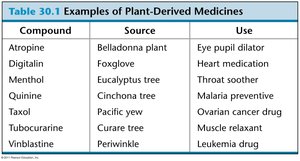
Medicines: Many secondary compounds from seed plants are used pharmaceutically.
Compound | Source | Use |
|---|---|---|
Atropine | Belladonna plant | Eye pupil dilator |
Digitalin | Foxglove | Heart medication |
Menthol | Eucalyptus tree | Throat soother |
Quinine | Cinchona tree | Malaria preventive |
Taxol | Pacific yew | Ovarian cancer drug |
Tubocurarine | Curare tree | Muscle relaxant |
Vinblastine | Periwinkle | Leukemia drug |
Additional info: Artificial selection has played a major role in the development of modern crop varieties, and the loss of plant diversity poses risks to food security and medicine discovery.
