 Back
Plant Diversity II: The Evolution of Seed Plants
Study Guide - Smart Notes
 Tailored notes based on your materials, expanded with key definitions, examples, and context.
Plant Diversity II: The Evolution of Seed Plants
Seeds and Pollen: Key Adaptations for Life on Land
Seed plants revolutionized terrestrial ecosystems by developing seeds and pollen grains, which allowed them to colonize diverse environments. These adaptations provided protection, dispersal, and independence from water for reproduction.
Seed: A structure containing an embryo and nutrients, surrounded by a protective coat. Seeds can remain dormant and disperse over long distances.
Pollen grain: Contains the male gametophyte and enables fertilization without water.
Reduced gametophytes: Seed plant gametophytes are microscopic and develop within the sporophyte, offering protection from environmental stress.
Comparing Plant Groups: Gametophyte and Sporophyte Dominance
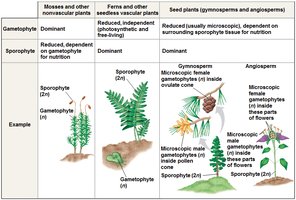
Seed plants differ from mosses and ferns in their life cycle, with a dominant sporophyte and reduced gametophyte. The table below summarizes these differences:
Group | Gametophyte | Sporophyte | Example |
|---|---|---|---|
Mosses & Nonvascular Plants | Dominant | Reduced, dependent | Sporophyte (2n), Gametophyte (n) |
Ferns & Seedless Vascular Plants | Reduced, independent | Dominant | Sporophyte (2n), Gametophyte (n) |
Seed Plants (Gymnosperms & Angiosperms) | Reduced, microscopic, dependent | Dominant | Gymnosperm: Female gametophyte inside ovulate cone; Angiosperm: Female gametophyte inside parts of flowers |
Heterospory: The Rule Among Seed Plants
Seed plants are heterosporous, producing two types of spores:
Megaspores: Develop into female gametophytes.
Microspores: Develop into male gametophytes (pollen grains).
Ovules and Production of Eggs
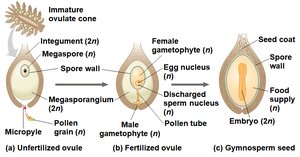
An ovule consists of a megasporangium, megaspore, and protective integuments. Fertilization leads to the development of a seed.
Pollen and Production of Sperm
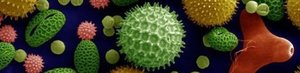
Pollen grains develop from microspores and are adapted for dispersal by wind or animals. Pollination is the transfer of pollen to the female reproductive structure, enabling fertilization without water.
Evolutionary Advantages of Seeds
Seeds can remain dormant until conditions are favorable.
They contain stored food for the embryo.
Seeds can be transported long distances by wind, water, or animals.
Ancient Seeds: Regeneration and Longevity
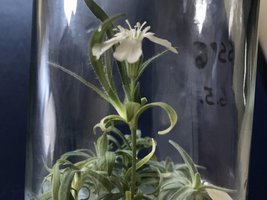
Seeds can survive for thousands of years. For example, a plant was regenerated from a 32,000-year-old seed found in Siberia.
Gymnosperms: "Naked" Seeds on Cones
Gymnosperm Characteristics
Gymnosperms bear seeds exposed on cones, unlike angiosperms whose seeds are enclosed in fruits. Most gymnosperms are evergreen and adapted to dry conditions.
Pine Life Cycle
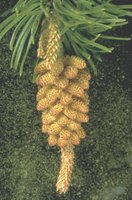
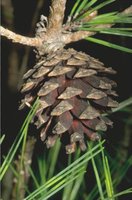
The pine tree is the sporophyte, producing male pollen cones and female ovulate cones. Fertilization occurs via pollen transfer, leading to seed formation.
Male cone: Produces pollen grains.
Female cone: Contains ovules that develop into seeds after fertilization.
Gymnosperm Diversity
Gymnosperms include four phyla:
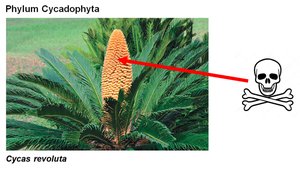
Cycadophyta: Palm-like plants, often toxic.
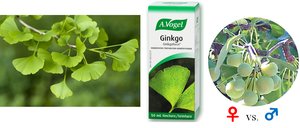
Ginkgophyta: Only one living species, tolerant to pollution.
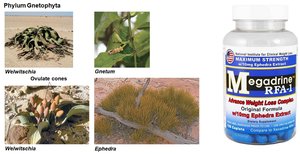
Gnetophyta: Includes diverse genera such as Ephedra.
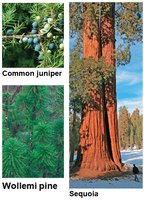
Coniferophyta: Largest group, includes pines, junipers, and sequoias.
Angiosperms: Flowers and Fruits
Angiosperm Characteristics
Angiosperms are seed plants with reproductive structures called flowers and fruits. They are the most diverse and widespread group of plants.
Flower Structure and Function
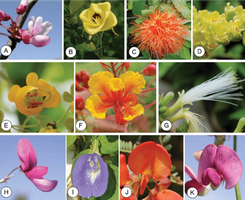
Flowers are specialized shoots with four types of organs:
Sepals: Protect the flower bud.
Petals: Often brightly colored to attract pollinators.
Stamens: Male organs producing pollen.
Carpels: Female organs containing ovary, style, and stigma.
Fruits and Seed Dispersal
A fruit develops from the ovary after fertilization, protecting seeds and aiding in their dispersal. Fruits can be fleshy or dry, and seeds are dispersed by wind, water, or animals.
Angiosperm Diversity
Monocots: One seed leaf, includes grasses and lilies.
Eudicots: Two seed leaves, includes most flowering plants.
Basal angiosperms: Early-diverging lineages.
Magnoliids: Share traits with basal angiosperms.
Human Interactions and Plant Conservation
Importance of Seed Plants
Seed plants are essential for food, fuel, wood, and medicines. Most of our food comes from a few major crops, and modern agriculture relies on genetic improvements.
Threats to Plant Diversity
Destruction of forests and habitats threatens plant diversity.
Loss of plant species impacts ecosystem services and biodiversity.
Conservation efforts are critical to preserve plant diversity and ecosystem health.
Summary Table: Seed Plant Adaptations
Adaptation | Function |
|---|---|
Seed | Protection, dispersal, dormancy |
Pollen | Water-independent fertilization |
Flowers | Efficient pollination |
Fruits | Seed protection and dispersal |
Additional info: These notes expand on the lecture slides by providing definitions, examples, and context for each adaptation and plant group. Images included are directly relevant to the explanation of each paragraph, reinforcing key concepts.
