 Back
Plant Diversity: Nonvascular and Seedless Vascular Plants
Study Guide - Smart Notes
 Tailored notes based on your materials, expanded with key definitions, examples, and context.
Plant Diversity
Overview of Plant Groups
Plants are classified into several major groups based on the presence or absence of vascular tissue, seeds, and flowers. The main groups include nonvascular plants (bryophytes), seedless vascular plants, gymnosperms, and angiosperms. This section focuses on the diversity, structure, and life cycles of nonvascular and seedless vascular plants.
Nonvascular Plants (Bryophytes)
Major Bryophyte Phyla
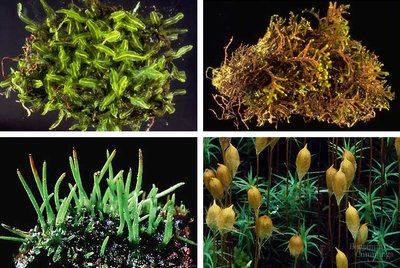
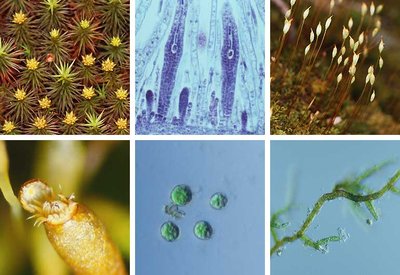
Bryophytes are the simplest land plants and lack vascular tissues. They are represented by three main phyla:
Phylum Hepatophyta – Liverworts
Phylum Anthocerophyta – Hornworts
Phylum Bryophyta – Mosses
These groups diverged early in plant evolution, before the origin of vascular plants. Mosses are the bryophytes most closely related to vascular plants.
Structure and Adaptations
Bryophytes are anchored by rhizoids, which are filaments of cells, not true roots.
They lack specialized conducting cells and true vascular tissues, limiting their size to only a few centimeters tall.
Their "leaves" are usually only one cell thick and lack a cuticle, enhancing water and mineral absorption from moist environments.
Life Cycle of Mosses
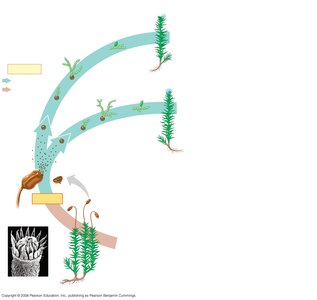
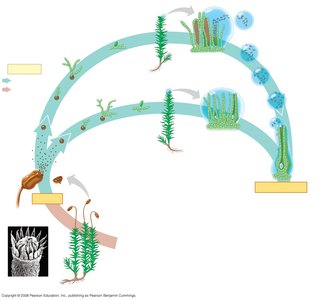
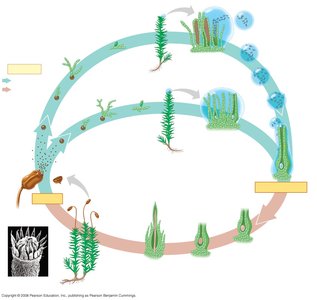
Bryophytes exhibit an alternation of generations, with a dominant gametophyte stage. The life cycle includes:
Gametophyte (n): The dominant, photosynthetic stage. Produces gametes in specialized organs: antheridia (sperm) and archegonia (eggs).
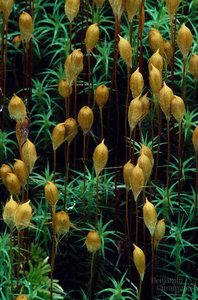
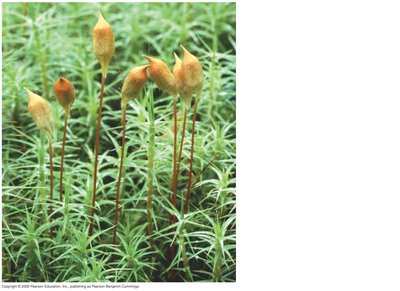
Sporophyte (2n): Grows from the fertilized egg (zygote) and remains attached to the gametophyte. Consists of a foot, seta (stalk), and capsule (sporangium) where spores are produced by meiosis.
Reproductive Adaptations
The zygote and young sporophyte are retained and nourished by the parent gametophyte via placental transfer cells.
Moss sporophytes are composed of a foot, seta, and capsule, which releases spores for dispersal.
Examples of Bryophytes
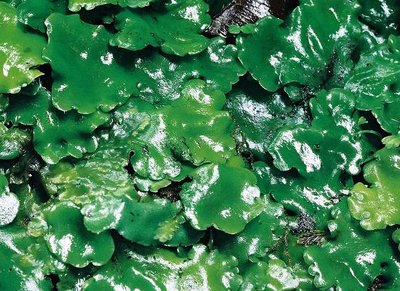
Liverworts: Gametophyte is a lobed thallus.
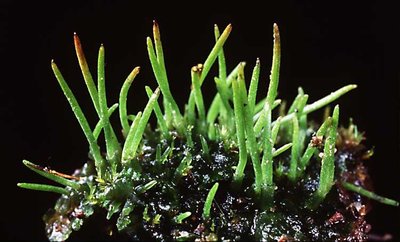
Hornworts: Sporophytes resemble grass blades and have a cuticle.
Seedless Vascular Plants
Evolution and Characteristics
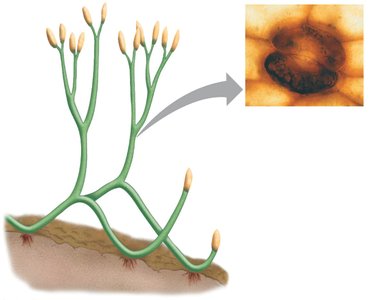
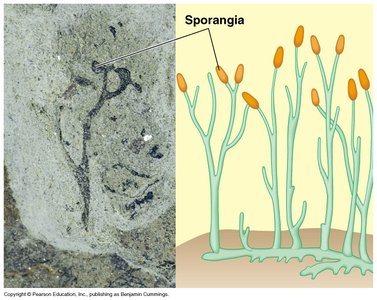
Vascular plants evolved about 420 million years ago, developing specialized tissues for water (xylem) and food (phloem) transport. The earliest vascular plants were seedless and reproduced via spores.
Life cycles with dominant sporophytes
Presence of xylem (with lignin) and phloem
Well-developed roots and leaves
Major Seedless Vascular Plant Phyla
Phylum Lycophyta: Lycophytes (club mosses, spike mosses, quillworts)
Phylum Monilophyta: Ferns, whisk ferns, horsetails
Roots and Leaves
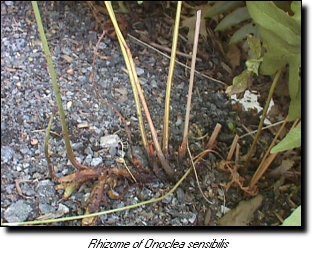
Most seedless vascular plants have true roots with lignified vascular tissue, likely evolved from subterranean stem portions.
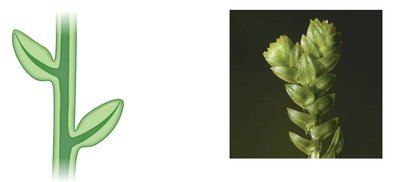
Microphylls: Small leaves with a single unbranched vein (lycophytes).
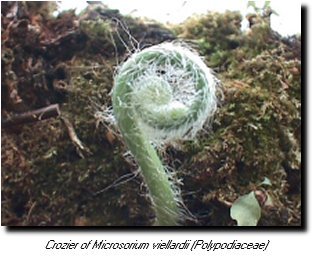
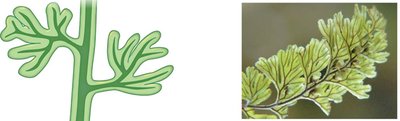
Megaphylls: Larger leaves with a highly branched vascular system (other vascular plants).
Leaf Evolution and Reproductive Structures
Megaphylls likely evolved from flattened, webbed branch systems.
Sporophylls: Modified leaves bearing sporangia.
Sori: Clusters of sporangia on the undersides of sporophylls (ferns).
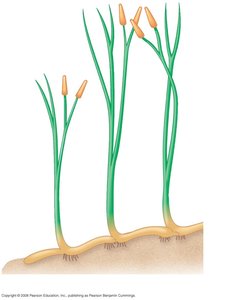
Strobili: Cone-like structures formed from groups of sporophylls (lycophytes and horsetails).
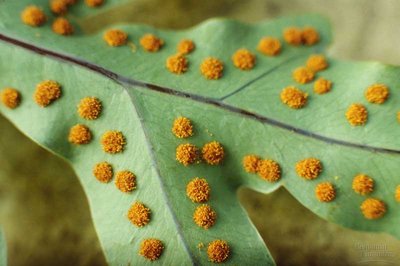
Life Cycle of Ferns
Ferns exhibit alternation of generations with a dominant sporophyte. The gametophyte is small and grows near the soil surface. The sporophyte produces spores in sori, which develop into new gametophytes.
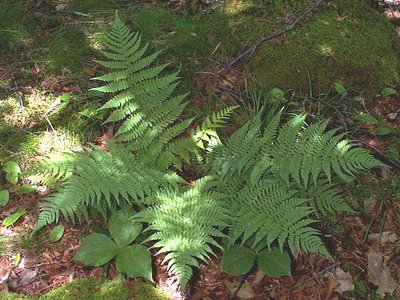
Examples of Seedless Vascular Plants
Ferns: Over 12,000 species, with large fronds and horizontal rhizomes.
Whisk ferns: Simple, dichotomously branched stems, no true roots.
Horsetails: Brushy appearance, found in marshy habitats.
Phylum Lycophyta
Modern lycophytes are small, but ancient forms included giant trees.
Surviving lycophytes include club mosses, spike mosses, and quillworts.
Ecological and Evolutionary Significance
Bryophytes were the only land plants for the first 100 million years of terrestrial life.
Seedless vascular plants formed extensive forests during the Carboniferous period, contributing to modern coal deposits.
Comparison of Plant Groups
Plant Group | Dominant Generation | Gametophyte | Sporophyte |
|---|---|---|---|
Mosses and other nonvascular plants | Gametophyte | Dominant, photosynthetic | Reduced, dependent on gametophyte |
Ferns and other seedless vascular plants | Sporophyte | Reduced, independent | Dominant |
Seed plants (gymnosperms and angiosperms) | Sporophyte | Reduced, dependent on sporophyte | Dominant |
Additional info: This summary covers the structure, life cycles, and evolutionary significance of nonvascular and seedless vascular plants, providing a foundation for understanding the transition to seed plants and the diversity of modern flora.
