 Back
BackL9 Biodiversity
Study Guide - Smart Notes
 Tailored notes based on your materials, expanded with key definitions, examples, and context.
Plants Overview
Importance of Plants
Plants are essential to life on Earth, serving as primary producers in ecosystems and providing oxygen, food, and habitats for countless organisms. Their diversity supports ecosystem stability and human society through resources such as medicines, clothing, wood, and paper.
Oxygen Production: Plants release oxygen as a byproduct of photosynthesis, supporting aerobic life.
Producers (Autotrophs): Plants convert sunlight into chemical energy, forming the base of food webs.
Carbon Sinks: Plants absorb atmospheric CO2, storing carbon in their tissues and soil.
Human Uses: Plants provide medicines, materials, and food, and play roles in cultural and religious practices.
Basic Needs of Plants
Essential Requirements
To survive and grow, plants require energy, nutrients, water, gas exchange, protection, and reproduction. As photoautotrophs, they use sunlight, carbon dioxide, and water for photosynthesis, producing glucose and oxygen for cellular respiration and growth.
Energy: Obtained from sunlight via photosynthesis.
Nutrients: Essential elements like nitrogen, phosphorus, and potassium are absorbed from the soil.
Water: Required for metabolic processes and transport of substances.
Gas Exchange: CO2 uptake and O2 release occur through stomata.
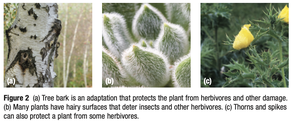
Protection: Plants defend against herbivores and pathogens using physical and chemical adaptations.
Reproduction: Achieved through sexual (seeds, pollen) and asexual means.
Plant Organ Systems
Root and Shoot Systems
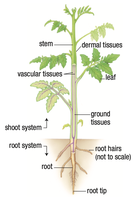
Plants are organized into two main organ systems: the root system (below ground) and the shoot system (above ground). Each system is specialized for specific functions.
Root System: Anchors the plant, absorbs water and nutrients, and stores carbohydrates.
Shoot System: Includes stems, leaves, and flowers; responsible for photosynthesis, reproduction, and support.
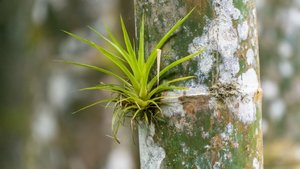
Epiphytes: Plants that grow on other plants and live entirely above ground.
Cell Walls: Plant cells have rigid walls made of cellulose for structural support.
Major Plant Organs
Flowers, Leaves, Stems, Roots
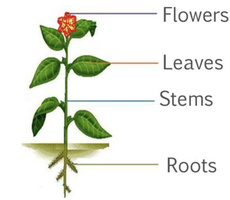
Most plants possess four major organs, each with distinct functions:
Flowers: Reproductive organs (in angiosperms).
Leaves: Main site of photosynthesis and gas exchange.
Stems: Support and transport (covered in detail in another lesson).
Roots: Absorption, anchorage, and storage.
Plant Tissues
Types of Plant Tissues
Plant organs are composed of four main tissue types, each with specialized roles:
Dermal Tissue: Outermost protective layer, often with a waxy cuticle to prevent water loss and injury. Contains stomata for gas exchange.
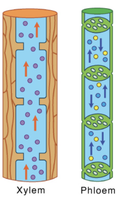
Vascular Tissue: Includes xylem (transports water and minerals upward; dead at maturity) and phloem (transports sugars and nutrients; living at maturity).
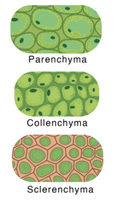
Ground Tissue: Functions in photosynthesis, storage, and support. Includes parenchyma, collenchyma, and sclerenchyma cells.
Meristematic Tissue: Regions of undifferentiated, actively dividing cells responsible for growth.
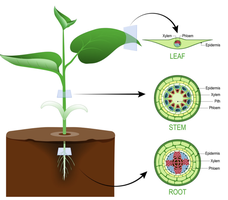
Dermal Tissue
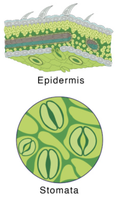
The dermal tissue forms the outer covering of the plant, providing protection and regulating interactions with the environment.
Thicker Cell Walls: Enhance protection against physical damage and pathogens.
Waxy Cuticle: Reduces water loss.
Stomata: Pores for gas exchange, regulated by guard cells.
Vascular Tissue
Vascular tissue is specialized for the transport of water, minerals, and nutrients throughout the plant.
Xylem: Conducts water and dissolved minerals from roots to shoots; composed of thick-walled, dead cells at maturity.
Phloem: Transports sugars and organic nutrients to non-photosynthetic tissues; composed of thin-walled, living cells.
Ground Tissue
Ground tissue fills the spaces between dermal and vascular tissues and is involved in photosynthesis, storage, and support.
Parenchyma: Thin-walled, living cells; function in photosynthesis and storage.
Collenchyma: Thick-walled, living cells; provide flexible support.
Sclerenchyma: Thick, lignified walls; dead at maturity; provide rigid support.
Meristematic Tissue
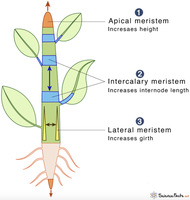
Meristematic tissue consists of undifferentiated cells that divide to produce new cells for growth. Meristems are found at the tips of roots and shoots (apical meristems), between nodes (intercalary meristems), and in the girth of stems and roots (lateral meristems).
Growth: New roots and shoots are formed via mitosis.
Differentiation: Meristematic cells specialize into various tissue types.
Leaf Structure and Function
Photosynthesis and Gas Exchange
Leaves are the primary site of photosynthesis and gas exchange in plants. They contain chloroplasts with chlorophyll, which absorbs light energy for the synthesis of glucose.
Chlorophyll: Absorbs red and blue light, reflects green.
Photosynthesis: Converts CO2 and H2O into glucose and O2.
Leaf Anatomy
Leaves typically consist of a blade (flat part), petiole (stalk), and veins (vascular bundles). The cuticle, stomata, and guard cells regulate water loss and gas exchange.
Cuticle: Waxy layer that prevents water loss.
Stomata: Openings for gas exchange, controlled by guard cells.
Leaf Specializations
Plants in cold climates may shed leaves to conserve resources, while gymnosperms retain needle-like leaves with thick cuticles to prevent water loss and freezing.
Deciduous Plants: Drop leaves in fall to avoid freezing damage.
Evergreens: Retain leaves year-round; adaptations include thick cuticles and antifreeze chemicals.
Human Uses of Leaves
Leaves are used for food (herbs, teas), materials (waxes, dyes), religious ceremonies, and medicine.
Roots: Structure and Function
Root Functions
Roots anchor plants, absorb water and nutrients, and store carbohydrates. There are two main types of root systems:
Taproot System: One large, central root with smaller lateral roots; found in gymnosperms and dicots.
Fibrous Root System: Many small, branching roots; common in monocots.
Root Specializations
Roots often form mutualistic relationships with mycorrhizal fungi (which aid in nutrient uptake) and nitrogen-fixing bacteria (which convert atmospheric nitrogen into usable forms).
Human Uses of Roots
Roots are sources of food (carrots, beets, yams), dyes, pesticides, and medicinal chemicals.
Erosion Control
Fibrous roots help prevent soil erosion by holding soil in place, especially during heavy rain or wind. Trees also contribute to long-term erosion control.
Root System | Characteristics | Examples |
|---|---|---|
Taproot | Large central root, deep penetration | Carrots, beets, gymnosperms, dicots |
Fibrous | Many small roots, shallow, dense mat | Grasses, monocots |
Additional info: Some content was expanded for clarity and completeness, including definitions and examples of tissue types, root systems, and plant adaptations.
