 Back
BackPlant Reproduction and Biotechnology: Mechanisms, Applications, and Implications
Study Guide - Smart Notes
 Tailored notes based on your materials, expanded with key definitions, examples, and context.
Plant Reproduction: Sexual and Asexual Strategies
Overview of Plant Reproduction
Flowering plants (angiosperms) can reproduce both sexually and asexually, with each mode offering distinct evolutionary advantages and disadvantages. Understanding these mechanisms is essential for appreciating plant diversity, adaptation, and human agricultural practices.
Sexual reproduction produces genetically diverse offspring, promoting adaptation to changing environments.
Asexual reproduction (also called vegetative reproduction) results in genetically identical clones, which can be advantageous in stable environments.
Apomixis is a form of asexual reproduction where seeds are produced without fertilization, originating from diploid cells.

Mechanisms of Asexual Reproduction
Asexual reproduction in plants can occur through several mechanisms, allowing rapid colonization and survival in favorable conditions.
Fragmentation: The parent plant splits into parts, each capable of growing into a new plant.
Some species produce adventitious shoots from their root systems, which develop into independent plants.
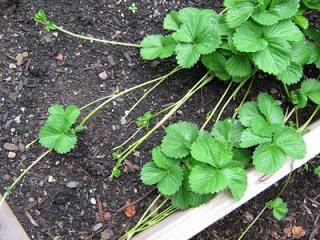
Advantages and Disadvantages of Asexual Versus Sexual Reproduction
Both reproductive strategies have ecological and evolutionary implications.
Asexual reproduction is efficient for successful plants in stable environments but creates vulnerability to environmental changes due to lack of genetic diversity.
Sexual reproduction increases genetic variation, enabling evolutionary adaptation, but not all offspring survive to maturity.
Some flowers can self-fertilize to ensure seed production, while others have evolved mechanisms to prevent self-fertilization (selfing).
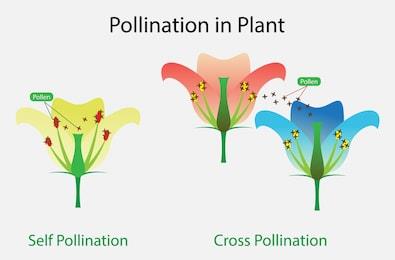
Mechanisms That Prevent Self-Fertilization
Structural and Temporal Mechanisms
Many angiosperms have evolved strategies to reduce or prevent self-fertilization, thereby promoting genetic diversity.
Dioecious species have separate male (staminate) and female (carpellate) flowers on different plants.
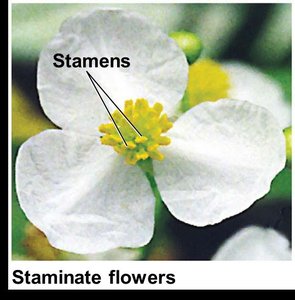
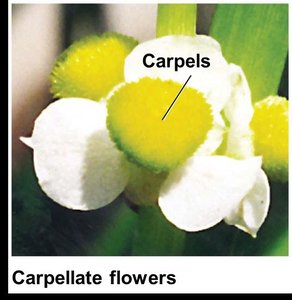
Other species have stamens and carpels that mature at different times or are spatially arranged to prevent selfing.
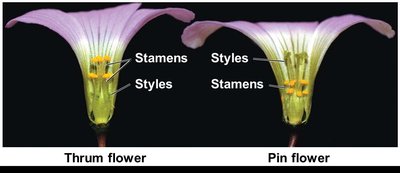
Self-Incompatibility
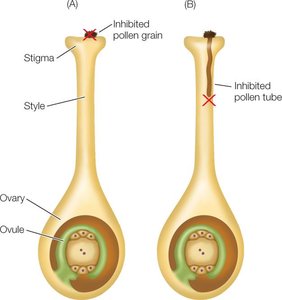
The most widespread mechanism to prevent self-fertilization is self-incompatibility, where a plant can recognize and reject its own pollen.
Self-incompatibility is often controlled by S-genes. If the pollen's S-gene matches an allele in the stigma, the pollen is rejected.
Rejection can occur by preventing pollen germination or by destroying the pollen tube's RNA.
Totipotency, Vegetative Reproduction, and Tissue Culture
Totipotency in Plants
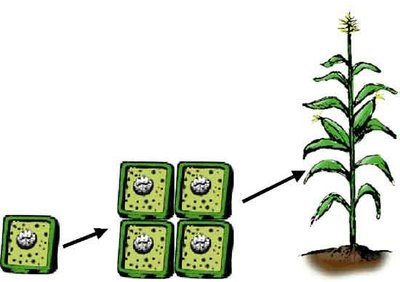
Plant cells are often totipotent, meaning a single cell can regenerate into a whole plant. This property is fundamental to both natural and artificial propagation techniques.
Totipotency enables the asexual generation of clones through cell division.
Vegetative Propagation and Grafting
Humans utilize vegetative reproduction for crop propagation and improvement.
Vegetative propagation is the artificial induction of asexual reproduction, often using plant fragments called cuttings.
A callus is a mass of undifferentiated cells that forms at the cut site and produces adventitious roots.
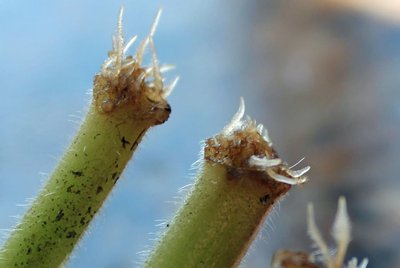
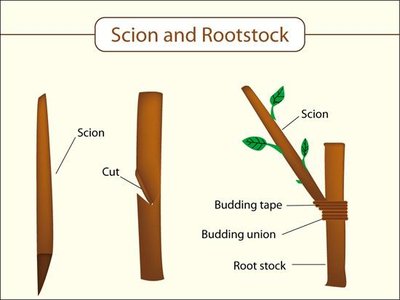
Grafting involves attaching a twig or bud (scion) onto a plant with an established root system (stock). This technique combines desirable traits from two plants.
Plant Breeding and Biotechnology
Traditional Plant Breeding
Humans have modified crops for thousands of years through selective breeding and hybridization.
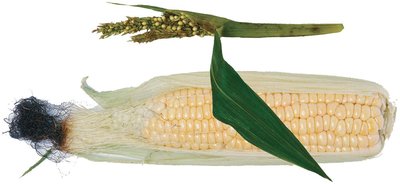
Artificial selection has produced crops like maize, which cannot survive without human intervention.
Hybridization introduces new genes by crossing different varieties or species.
Mutations can arise naturally or be induced to create beneficial traits for breeding.
Plant Biotechnology and Genetic Engineering
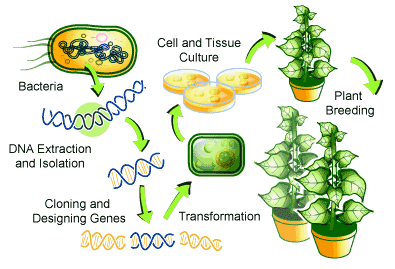
Modern biotechnology allows for precise genetic modifications, including the creation of genetically modified (GM) organisms.
Plant biotechnology refers to both traditional innovations and the use of GM organisms in agriculture and industry.
Transgenic organisms are engineered to express genes from other species, expanding the range of possible traits.
Applications and Implications of Plant Biotechnology
Reducing World Hunger and Malnutrition
Genetically modified crops can improve food security and nutrition.
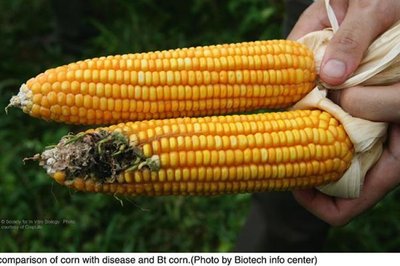
Transgenic crops may produce proteins toxic to pests, tolerate herbicides, or resist diseases.
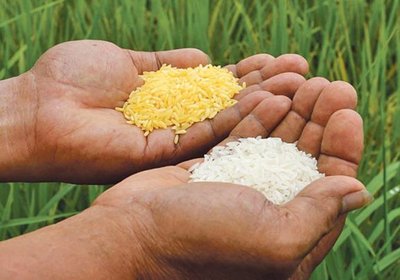
"Golden Rice" is engineered to address vitamin A deficiency, and transgenic cassava has enhanced nutrients and reduced toxins.
Reducing Fossil Fuel Dependency
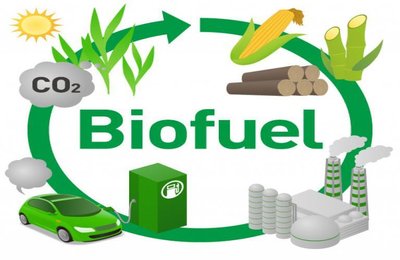
Biofuels derived from plant biomass offer a renewable alternative to fossil fuels, potentially reducing greenhouse gas emissions.
Biofuels are produced by fermenting and distilling plant materials such as cellulose from fast-growing crops.
Debate and Concerns over Plant Biotechnology
The use of GMOs raises ecological, health, and ethical concerns.
Potential risks include the transfer of allergens, effects on nontarget organisms, and the creation of herbicide-resistant "superweeds" through gene escape.
Efforts to prevent gene escape include engineering male sterility, apomixis, chloroplast transgenes, and strict self-pollination.

Summary Table: Comparison of Sexual and Asexual Reproduction in Plants
Aspect | Sexual Reproduction | Asexual Reproduction |
|---|---|---|
Genetic Variation | High (offspring genetically different) | Low (offspring are clones) |
Adaptation Potential | High (evolutionary adaptation possible) | Low (vulnerable to environmental change) |
Efficiency | Lower (not all seeds survive) | Higher (rapid colonization) |
Examples | Flowering, seed formation | Fragmentation, runners, apomixis |
