Back
Plant Sensory Systems, Signals, and Responses: Mini-Study Guide
Study Guide - Smart Notes
 Tailored notes based on your materials, expanded with key definitions, examples, and context.
Plant Sensory Systems, Signals, and Responses
Signal Transduction in Plants
Plants perceive and respond to environmental stimuli through complex signal transduction pathways. These pathways involve the transmission of molecular signals that lead to changes in metabolism, gene expression, and cellular activity.
Reception: A ligand (signaling molecule) binds to a specific receptor, causing a change in the receptor protein.
Transduction: A cascade of proteins and other molecules interact in response to receptor-ligand binding, often involving phosphorylation cascades and second messengers.
Response: The cell elicits a change, determined by its receptors and signal transduction pathways.
Hormones: Signaling molecules that affect gene expression, cell division, and growth. Hormones bind only to specific receptors, and signal amplification allows a small number of molecules to have a large effect.
Phosphorylation Cascades: Activate or deactivate proteins by transferring phosphate groups.
Second Messengers: Intracellular molecules that relay signals within the cell.
Phototropism and Light Responses
Phototropism is the growth of plants toward or away from light, a key example of plant response to environmental stimuli. Plants use photoreceptors to detect light and regulate growth patterns.
Etiolation: Plant response to absence of sunlight, including growth toward light, longer internodes, and chlorosis.
Detiolation: Plant response to sunlight, regulated by phytochromes.
Photomorphogenesis: Growth patterns in response to different light spectrums.
Tropism: Movement in response to environmental stimulus.
Photoreceptors: Proteins that respond to specific wavelengths of light.
Phototropins: Blue-light photoreceptors involved in phototropism and stomatal regulation.
Red/Far-Red Light: Red light (660-700nm) promotes seed germination; far-red light (>710nm) inhibits it and signals shade.
Photoreversibility: Molecules change conformation in response to different wavelengths.
Phytochrome: Photoreversible photoreceptor sensitive to red and far-red light; phosphorylation/desphosphorylation induces conformational changes.
Shade Avoidance: Far-red light causes plants to lengthen stems or branch to reach direct light.

Auxin and Plant Growth
Auxin (indoleacetic acid) is a hormone central to plant growth responses, especially phototropism and gravitropism. Its distribution within plant tissues determines growth direction.
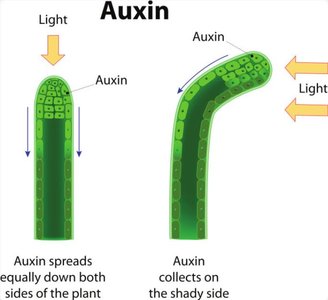
Coleoptiles: Release auxin, allowing seedlings to bend toward light.
Cholodny-Went Hypothesis: Auxin produced at the tip moves from the light side to the shade side, causing asymmetric growth.
Acid-Growth Hypothesis: Proton pumps concentrate H+ in the cell wall, activating expansins that loosen cellulose fibers, allowing water uptake and cell elongation.
Expansins: Proteins that loosen hydrogen bonds between cellulose fibers.
Polar Transport: Auxin is transported unidirectionally from shoots to roots, unaffected by gravity.
Pattern Formation: Auxin influences leaf arrangement (phyllotaxy), abscission, and apical dominance.
Circadian Rhythms and Photoperiodism
Plants exhibit circadian rhythms—internal cycles of about 24 hours—that can be influenced by environmental cues. Photoperiodism is the physiological response to seasonal changes in day length.
Circadian Rhythms: Daily cycles regulated by blue-light receptors called cryptochromes.
Photoperiodism: Response to day/night length; determines flowering time.
Long-Day Plants: Bloom when days are longest (summer).
Short-Day Plants: Bloom when days are shortest (spring, late summer, fall).
Day-Neutral Plants: Blooming is not affected by day length.
Vernalization: Cold pretreatment required for some plants to respond to photoperiod.
Florigen: Hypothetical hormone that induces flowering.
Gravitropism
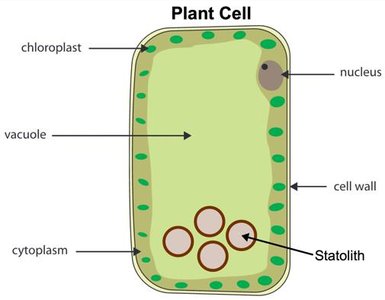
Gravitropism is the growth or movement of plants in response to gravity, observed in both roots and shoots. The statolith hypothesis explains how plants sense gravity.
Statoliths: Dense, starch-filled organelles (amyloplasts) that sink to the bottom of cells, activating sensory signals.
Root Cap Cells: Contain statoliths and respond to gravity, inducing a gravitropic response.
Auxin Distribution: Auxin is distributed evenly in vertical roots, but unevenly in tilted roots, causing differential growth and bending toward gravity.
Thigmotropism
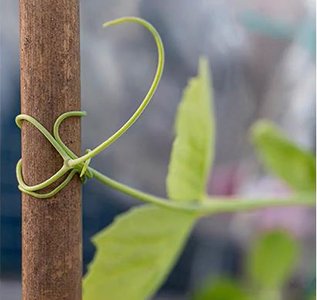
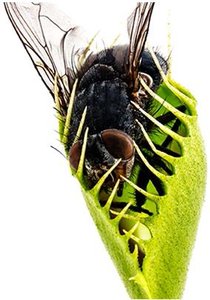
Thigmotropism is the growth or movement in response to physical stimuli such as touch or wind. Plants use specialized structures and electrical signals to respond rapidly to mechanical stimuli.
Climbing Plants: Use tendrils to sense and wrap around surfaces.
Venus Fly Trap: Closes rapidly on insects, demonstrating rapid thigmotropic response.
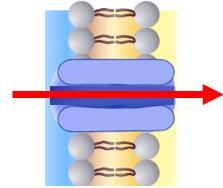
Action Potential: Electrical signal carried by ion movement across membranes; plants conduct these via plasmodesmata.
Plant Hormones and Growth Regulation
Plant hormones regulate various aspects of growth, development, and responses to environmental stimuli.
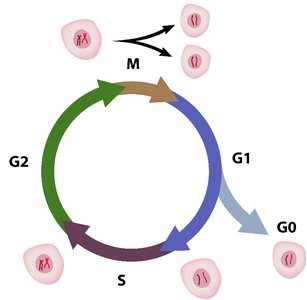
Cytokinins: Regulate cell cycle, promote cell division, produced in roots and transported via xylem.
Gibberellins: Regulate stem elongation, fruit growth, and seed germination.
Abscisic Acid (ABA): Involved in stomatal closure and seed dormancy; inhibits germination.
Brassinosteroids: Regulate cell elongation and division, affecting plant body size.
Senescence: Biological aging; ethylene is a gaseous hormone associated with senescence and abscission (shedding of leaves and fruits).
Fruit Ripening: Ethylene exposure converts starch to sugar and breaks down cell walls.


Pathogen Defenses
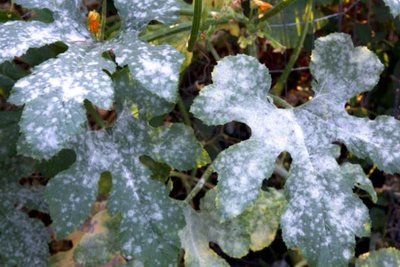
Plants defend against pathogens (bacteria, viruses, fungi) using physical barriers and inducible immune responses.
Epidermis and Cuticle: First line of defense, providing a physical barrier.
Inducible Defenses: Activated in response to pathogen attack.
Pathogen-Associated Molecular Patterns: Unique molecules recognized by the plant immune system.
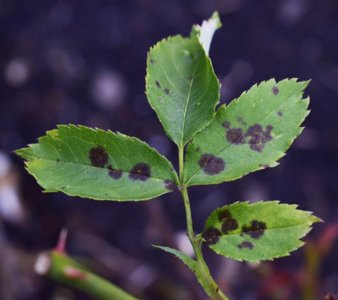
Hypersensitive Response: Rapid cell death at infection site to prevent spread.
Systemic Acquired Resistance: Plant-wide response to earlier infection; methyl salicylate produced at infection site and transported for signaling.
Herbivore Defenses
Plants use structural and chemical defenses to deter herbivores.
Thorns, Spines, Trichomes: External features that physically deter herbivores.
Secondary Metabolites: Chemicals that repel, poison, or affect the nervous system of herbivores.
Proteinase Inhibitors: Block digestive enzymes in animal saliva and stomachs.
Systemin: Hormone wound-signal that induces production of proteinase inhibitors.
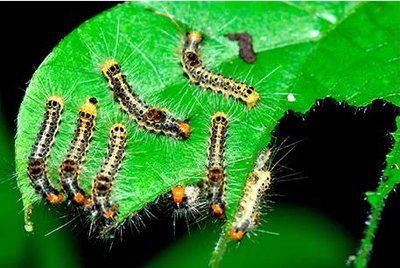
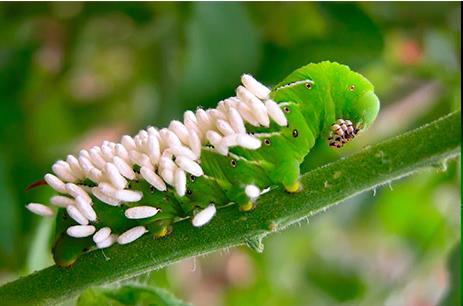
Parasitoid Attraction: Plants emit chemical attractants to wasps when attacked by caterpillars; wasps lay eggs in caterpillars, reducing herbivory.