 Back
BackPlant Structure, Growth, and Development: Organs, Tissues, and Cells
Study Guide - Smart Notes
 Tailored notes based on your materials, expanded with key definitions, examples, and context.
Plant Structure and Growth
Overview of Plant Organization
Plants are complex multicellular organisms with hierarchical levels of organization, including organs, tissues, and cells. Each level contributes to the plant's ability to grow, reproduce, and adapt to its environment.
Plant Organs
Roots
Roots are essential plant organs responsible for anchoring the plant, absorbing water and minerals, and sometimes storing nutrients. They exhibit various modifications to adapt to different environments and functions.
Primary Functions: Absorption of water and nutrients, anchorage, and storage.
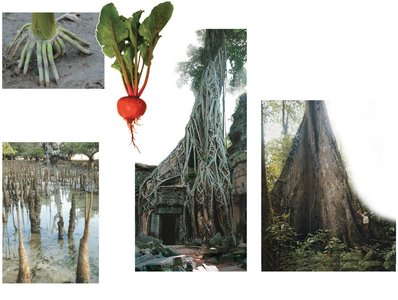
Additional Functions: Support (e.g., buttress roots), aeration (e.g., pneumatophores), and storage (e.g., carrots, beets).
Root Modifications: Prop roots, storage roots, pneumatophores, aerial roots, and buttress roots.
Example: Mangrove trees have pneumatophores for gas exchange in waterlogged soils.
Stems
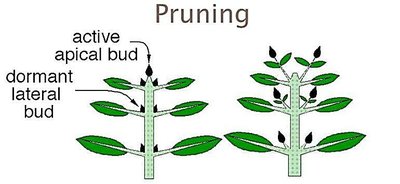
Stems provide support, elevate leaves for maximum light capture, and serve as conduits for transporting substances between roots and leaves. Growth occurs primarily at apical and axillary buds.
Primary Functions: Support, separation and elevation of leaves, and transport of fluids.
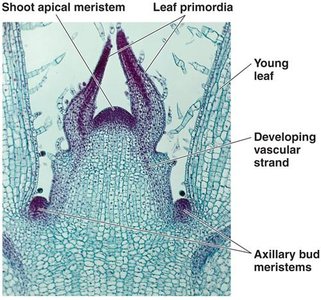
Growth Regions: Apical buds (tips) and axillary buds (branch points).
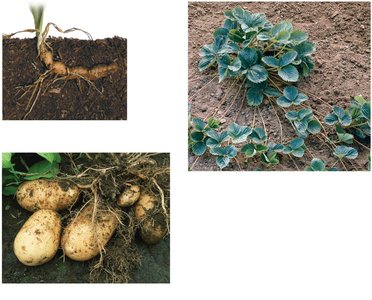
Stem Modifications: Tubers (e.g., potatoes), stolons (e.g., strawberries), and rhizomes (e.g., ginger).
Example: Pruning stimulates growth from axillary buds by removing apical dominance.
Leaves
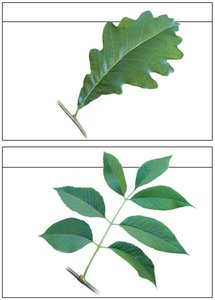
Leaves are the main site of photosynthesis in most plants. They are typically composed of a blade and a petiole and may be simple or compound in structure. Leaves also show various adaptations for different functions.
Primary Function: Photosynthesis.
Structure: Blade (flat part) and petiole (stalk connecting to stem).
Leaf Types: Simple (single blade) and compound (multiple leaflets).
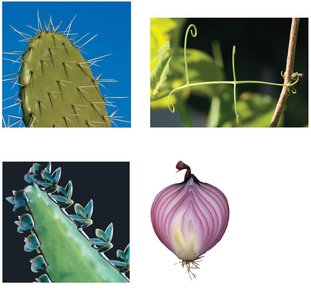
Leaf Modifications: Tendrils (climbing), spines (protection), storage leaves (onions), and reproductive leaves (plantlets).
Example: Cacti have spines for protection and water conservation.
Plant Tissues
Types of Plant Tissues
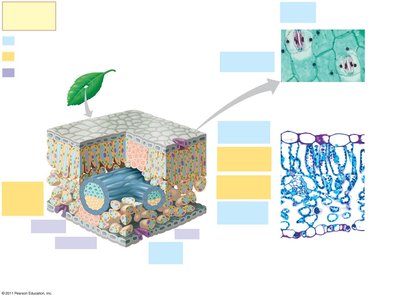
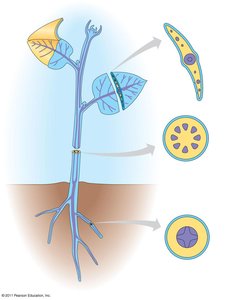
Plant tissues are organized into three main systems: dermal, vascular, and ground tissues. Each tissue system has specialized functions and cell types.
Dermal Tissue: Protective outer covering, includes epidermis and cuticle.
Vascular Tissue: Conducts water, minerals, and nutrients. Composed of xylem (water transport) and phloem (nutrient transport).
Ground Tissue: Functions in support, storage, and photosynthesis. Includes cortex and pith.
Cells and Growth
Types of Plant Cells
Plant tissues are composed of various cell types, each with distinct structures and functions.
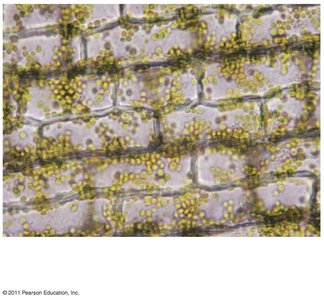
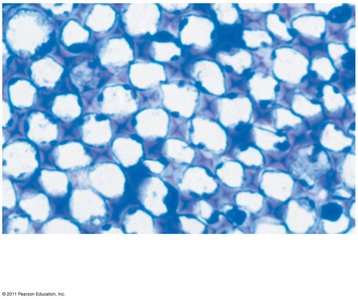
Parenchyma Cells: Thin-walled, living cells involved in photosynthesis, storage, and most metabolic functions.
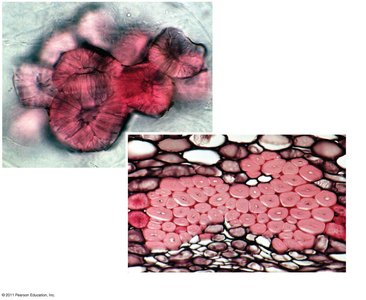
Collenchyma Cells: Elongated cells with unevenly thickened walls, providing flexible support for growing tissues.
Sclerenchyma Cells: Thick, lignified walls for rigid support; includes fibers and sclereids.
Xylem Cells: Tracheids and vessel elements for water transport.
Phloem Cells: Sieve-tube elements and companion cells for nutrient transport.
Meristems and Plant Growth
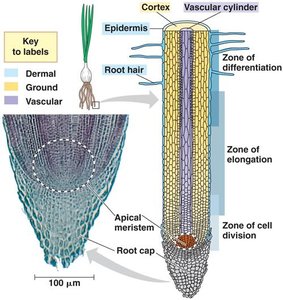
Meristems are regions of undifferentiated cells that enable plants to grow throughout their lives. Growth can be primary (length) or secondary (thickness).
Apical Meristems: Located at tips of roots and shoots; responsible for primary growth (increase in length).
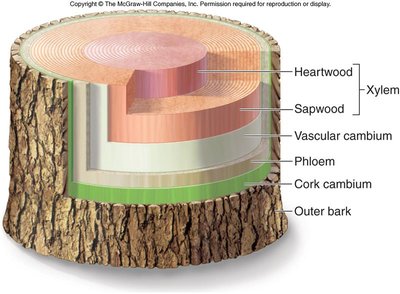
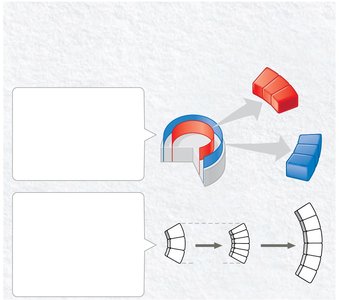
Lateral Meristems: Vascular cambium and cork cambium; responsible for secondary growth (increase in thickness).
Primary Growth: Occurs at apical meristems, producing new leaves, stems, and roots.
Secondary Growth: Occurs at lateral meristems, producing wood (secondary xylem) and bark (secondary phloem and cork).
Primary and Secondary Growth
Primary growth increases the length of roots and shoots, while secondary growth increases the girth of stems and roots, forming wood and bark in woody plants.
Primary Growth: Driven by apical meristems; produces primary tissues (dermal, ground, vascular).
Secondary Growth: Driven by lateral meristems; produces secondary xylem (wood) and secondary phloem (part of bark).
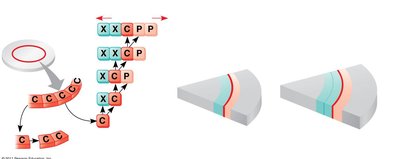
Vascular Cambium: Produces secondary xylem (inward) and secondary phloem (outward).
Cork Cambium: Produces cork cells, forming the protective outer bark.
Summary Table: Plant Tissue Types and Functions
Tissue Type | Main Function | Key Cell Types |
|---|---|---|
Dermal | Protection, water retention | Epidermal cells, guard cells, cuticle cells |
Vascular | Transport of water, minerals, nutrients | Xylem (tracheids, vessel elements), phloem (sieve-tube elements, companion cells) |
Ground | Support, storage, photosynthesis | Parenchyma, collenchyma, sclerenchyma |
References
Reece, J.B., Urry, L.A., Cain, M.L., Wasserman, S.A., Minorsky, P.V., & Jackson, R.B. (2011). Campbell Biology, 9th Edition. Pearson, New York.
Reece, J.B., Urry, L.A., Cain, M.L., Wasserman, S.A., Minorsky, P.V., & Jackson, R.B. (2014). Campbell Biology, 10th Edition. Pearson, New York.
