 Back
Population Genetics and Evolution: Mechanisms of Genetic Change and Speciation
Study Guide - Smart Notes
 Tailored notes based on your materials, expanded with key definitions, examples, and context.
Population Genetics and Evolution
Introduction to Population Genetics
Population genetics is the study of how the genetic composition of populations changes over time, integrating Mendelian genetics with Darwinian evolution. It focuses on the behavior of alleles and genotypes within groups of interbreeding organisms, providing a framework for understanding evolutionary processes at the genetic level.
Gene Pool: The complete set of alleles present in a population.
Allele Frequency: The proportion of a specific allele among all alleles for a given gene in the population.
Population: A group of individuals of the same species living in a specific geographic area.
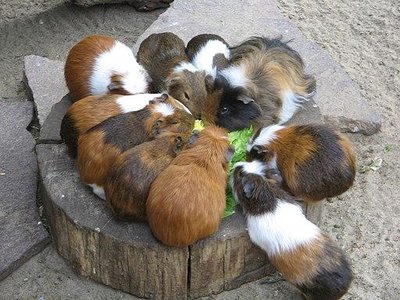
Example: Variation in coat color among guinea pigs demonstrates genetic diversity within a population.
Species, Populations, and Gene Pools
In genetics, a species is defined as a group of organisms capable of interbreeding and producing fertile offspring. A population is a subset of a species found in a particular location. The gene pool encompasses all the alleles present in that population.
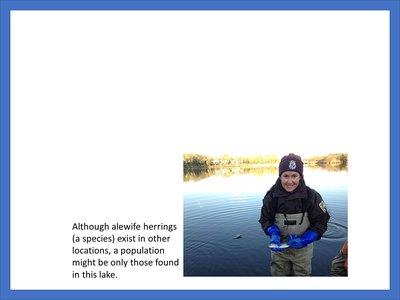
Example: Alewife herrings in a single lake represent a population, even though the species exists elsewhere.
Tracking Allele Frequencies
Scientists monitor changes in allele frequencies within gene pools to study evolution. For example, fur color in raccoons may be controlled by a single gene with two alleles: B (black, dominant) and b (brown, recessive).
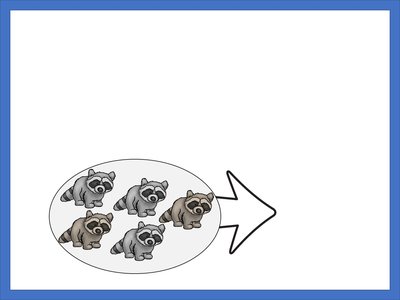
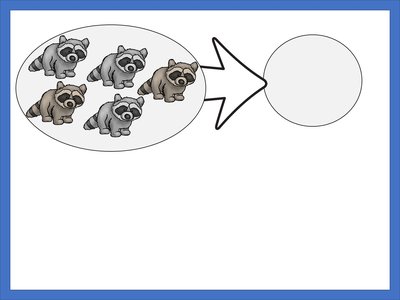
In a population of 10 alleles: 4 are B (black), 6 are b (brown).
Allele frequencies: 40% B (0.4), 60% b (0.6).
Genotype, Phenotype, and Fitness
Natural selection acts on phenotypes, not genotypes. The fitness of an organism is determined by how well its phenotype adapts to the environment.
Genetic Variation and Diversity
Genetic variation refers to the differences in DNA among individuals within a population. High genetic diversity increases a population's ability to adapt to environmental changes.
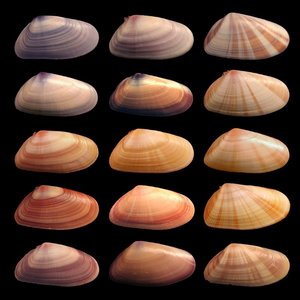
Mutation: Random changes in DNA that introduce new alleles.
Sexual Reproduction: Shuffling of genes during meiosis and fertilization increases variation.
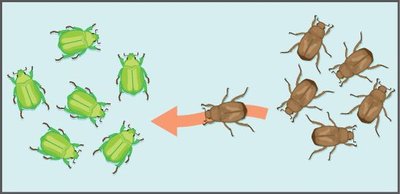
Gene Flow: Movement of alleles between populations through migration, pollen, or gametes.
The Hardy-Weinberg Principle
The Hardy-Weinberg principle states that allele frequencies in a population remain constant from generation to generation in the absence of evolutionary influences (genetic equilibrium). This principle provides a null model for studying evolutionary change.
Conditions for Hardy-Weinberg Equilibrium:
No mutations
No immigration/emigration (gene flow)
No natural selection
Random mating
Large population size
Real populations rarely meet all these conditions, but the principle is useful for predictions and calculations.
Selective Pressures and Natural Selection
Selective pressures are environmental factors that favor certain phenotypes, driving natural selection. Examples include predation, competition, disease, and environmental changes.
Natural Selection on Single-Gene Traits
For traits controlled by a single gene, only two phenotypes typically exist. Natural selection can increase the frequency of the more adaptive phenotype.
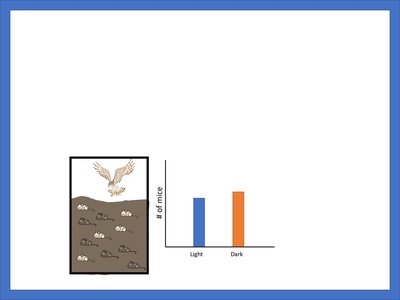
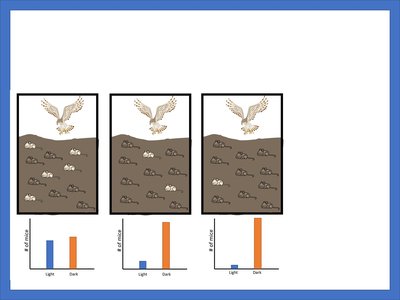
Example: In a mouse population, dark fur may be favored if it provides better camouflage from predators.
Natural Selection on Polygenic Traits
Polygenic traits are controlled by multiple genes, resulting in a range of phenotypes. Most individuals have intermediate phenotypes, forming a bell-shaped (normal) distribution.

Types of Selection on Polygenic Traits
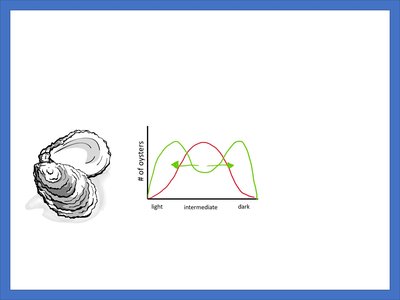
Directional Selection: Favors one extreme phenotype, shifting the distribution in one direction.
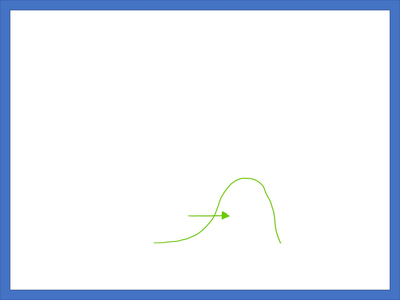
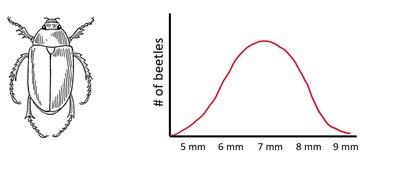
Stabilizing Selection: Favors intermediate phenotypes, reducing variation and maintaining the status quo.
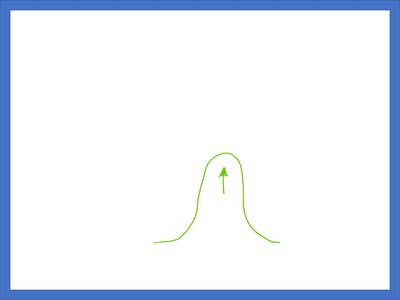
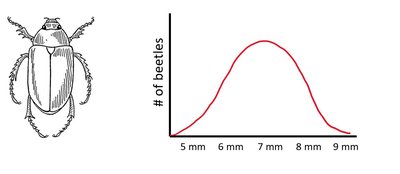
Disruptive Selection: Favors both extreme phenotypes over intermediates, potentially leading to speciation.
Genetic Drift
Genetic drift is a change in allele frequencies due to random chance, especially in small populations. Unlike natural selection, it is not driven by fitness.
Bottleneck Effect: A sharp reduction in population size due to a random event, resulting in a loss of genetic diversity.

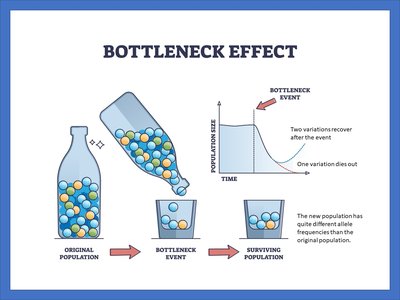
Founder Effect: When a few individuals colonize a new habitat, the new population may have different allele frequencies than the original.

Speciation and Isolation Mechanisms
Speciation is the formation of new species, often resulting from genetic divergence due to isolation. When gene pools change so much that groups can no longer interbreed, they are considered separate species.
Types of Isolation Leading to Speciation:
Geographic Isolation: Physical barriers (rivers, mountains) separate populations.

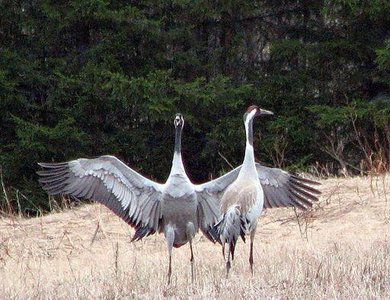
Behavioral Isolation: Differences in mating behaviors prevent interbreeding.

Mechanical Isolation: Physical differences in reproductive organs prevent mating.

Temporal Isolation: Populations breed at different times (day/night, seasons, years).

Prezygotic and Postzygotic Barriers
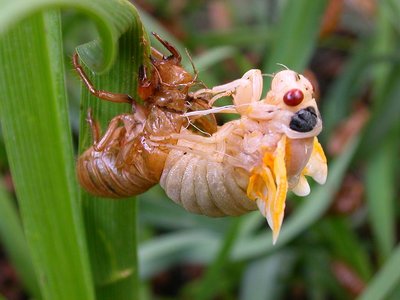
Prezygotic barriers prevent fertilization from occurring, while postzygotic barriers occur after fertilization, often resulting in sterile or non-viable offspring.
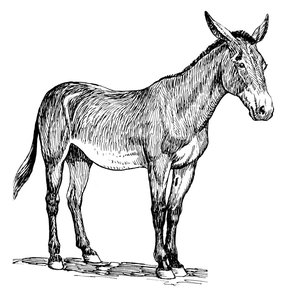
Example: A mule, the hybrid offspring of a horse and donkey, is sterile due to postzygotic barriers.
Summary Table: Mechanisms of Evolutionary Change
Mechanism | Description | Effect on Population |
|---|---|---|
Mutation | Random changes in DNA | Introduces new alleles |
Gene Flow | Movement of alleles between populations | Increases genetic diversity |
Genetic Drift | Random changes in allele frequencies | Reduces genetic diversity, especially in small populations |
Natural Selection | Favors advantageous phenotypes | Increases frequency of adaptive alleles |
Non-random Mating | Mate choice based on phenotype/genotype | Can change genotype frequencies |
