 Back
Principles of Life: Introduction to Biology and the Chemistry of Life
Study Guide - Smart Notes
 Tailored notes based on your materials, expanded with key definitions, examples, and context.
Introduction to Biology
What is Biology?
Biology is the scientific study of living things, encompassing all organisms that have descended from a single common ancestor. The field seeks to understand the structure, function, and energy flow of living organisms.
Living things share a common evolutionary origin and fundamental biological processes.
All living organisms are studied to uncover the principles that govern life.
Characteristics Shared by All Living Organisms
Despite their diversity, all living organisms share several key characteristics:
Composed of a common set of chemical components and similar structures.
Contain genetic information that uses a nearly universal code (DNA/RNA).
Convert molecules from their environment into new biological molecules.
Extract energy from the environment and use it to do biological work.
Regulate their internal environment (homeostasis).
Replicate their genetic information in the same manner when reproducing.
Share sequence similarities among a fundamental set of genes.
Evolve through gradual changes in genetic information.
Genetic Similarity Among Organisms
Genetic information is highly conserved across species, reflecting common ancestry. For example, humans share a significant percentage of their DNA with other organisms, including plants.
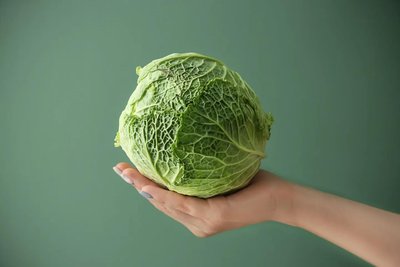
Example: Human DNA is approximately 50% similar to that of cabbage, highlighting the unity of life at the molecular level.
The History of Insulin: A Case Study in Biological Discovery
Discovery and Application of Insulin
The discovery of insulin is a landmark in medical biology, demonstrating the application of biological principles to human health.
Diabetes is a disease in which the body's ability to produce insulin is impaired.
In 1921, Frederick Banting and Charles Best isolated insulin from a dog's pancreas.
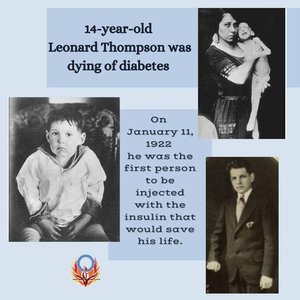
In 1922, Leonard Thompson became the first person to receive an insulin injection, which dramatically lowered his blood glucose levels.
Banting and Macleod received the Nobel Prize in Medicine in 1923 for this discovery.
The Cell: The Basic Unit of Life
Cell Theory
All living organisms are composed of cells, which are the fundamental units of structure and function in life.
Some cells evolved membrane-enclosed compartments called organelles (e.g., the nucleus).
Cells with organelles are called eukaryotes.
Prokaryotes lack nuclei and other internal compartments.
Levels of Biological Organization
Life can be studied at different levels, from molecules to the entire living planet. The hierarchy of biological organization includes:
Atoms
Molecules
Organelles
Cells
Tissues
Organs and organ systems
Organisms
Populations
Communities
Ecosystems
Biosphere

The Biosphere, Ecosystems, Communities, and Populations
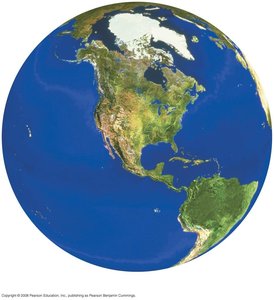
Biosphere: All environments on Earth inhabited by life, including land, water, and the atmosphere.
Ecosystem: All living things in a particular area, along with non-living components (soil, water, gases, light) with which life interacts.
Community: The entire array of organisms inhabiting a particular ecosystem; all these forms of life are called species.
Population: All individuals of a species living within the bounds of a specified area.


Organs, Tissues, Cells, and Organelles
Organs and Organ Systems: Structures composed of tissues that perform specific functions.
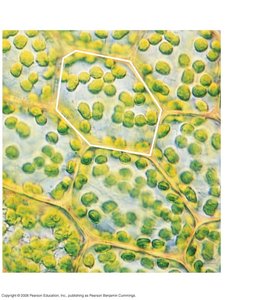
Tissues: Groups of similar cells that carry out a particular function.
Cells: Life’s fundamental unit of structure and function.
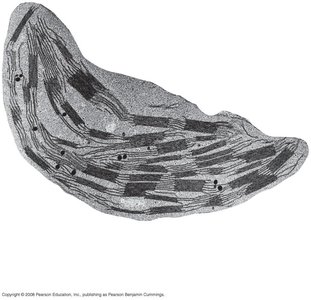
Organelles: Membrane-bound structures within cells that perform specialized functions.

Chemistry of Life
Matter, Elements, and Compounds
All organisms are composed of matter, which is anything that takes up space and has mass. Matter is made up of elements and compounds.
Element: A substance that cannot be broken down to other substances by chemical reactions.
Compound: A substance consisting of two or more elements in a fixed ratio. Compounds have characteristics different from those of their constituent elements.
Examples of Elements and Compounds
Sodium (Na) and Chlorine (Cl) are elements.
When combined, they form sodium chloride (NaCl), commonly known as table salt, which has properties distinct from either sodium or chlorine alone.
Substance | Type | Description |
|---|---|---|
Sodium (Na) | Element | Soft, reactive metal |
Chlorine (Cl) | Element | Poisonous, greenish gas |
Sodium chloride (NaCl) | Compound | Edible, crystalline table salt |
Key Definitions
Atom: The smallest unit of an element that retains the properties of that element.
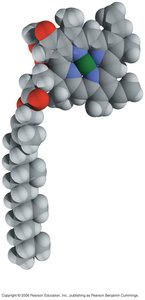
Molecule: Two or more atoms held together by chemical bonds.
Additional info: The study of biology requires an understanding of chemistry, as all biological processes are underpinned by chemical interactions and molecular structures.
