Back
BackProcesses of Evolution: Adaptive and Non-Adaptive Mechanisms
Study Guide - Smart Notes
 Tailored notes based on your materials, expanded with key definitions, examples, and context.
Evolutionary Processes
Introduction to Evolutionary Mechanisms
Evolution is the change in allele frequencies in populations over time. While Darwin and Wallace identified natural selection as the primary driver of evolution, modern biology recognizes multiple mechanisms—both adaptive and non-adaptive—that contribute to evolutionary change. These mechanisms can act alone or in combination to shape genetic diversity within and between populations.
Adaptive processes: Mechanisms that depend on relative fitness, such as natural selection.
Non-adaptive processes: Mechanisms that depend on random chance, not fitness, to alter allele frequencies.
Non-Adaptive Processes of Evolution
Genetic Drift
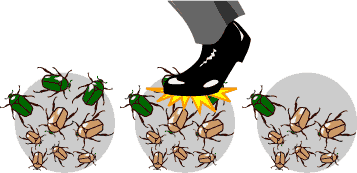
Genetic drift refers to random changes in allele frequencies due to chance events, known as sampling errors. Unlike natural selection, genetic drift is not related to the fitness of alleles and can lead to the random loss or fixation of alleles, reducing genetic variation within populations and increasing differences between populations.
More pronounced in small populations.
Can result from any event causing a sampling error, such as founder effects or population bottlenecks.
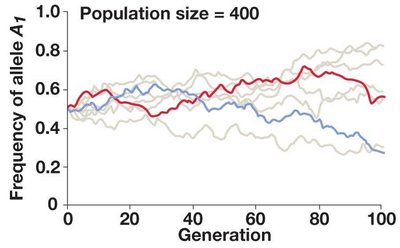
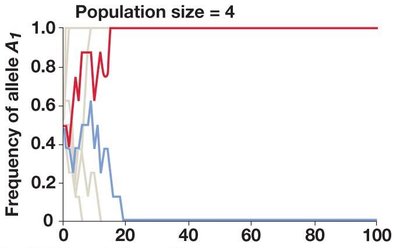
Example: Genetic Drift in Fruit Flies
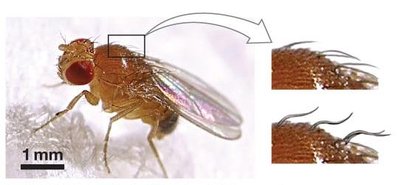
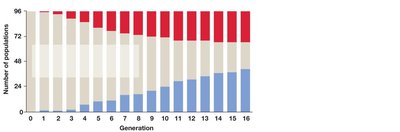
Studies on fruit flies tracked a gene controlling leg-bristle morphology. In small populations, genetic drift caused one of two alleles (straight or forked bristles) to be lost in most populations, demonstrating the power of drift in reducing genetic diversity.
Founder Effects and Bottlenecks
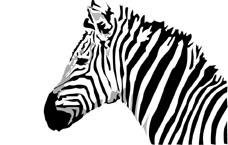
Founder effect: Occurs when a small group establishes a new population, leading to allele frequencies that differ from the source population. Common in isolated habitats.
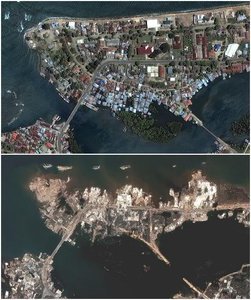
Bottleneck effect: Results from a sudden reduction in population size (e.g., natural disasters), causing a loss of genetic diversity.
Gene Flow Restriction
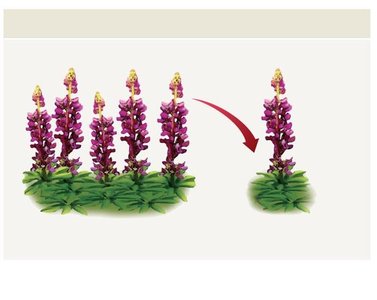
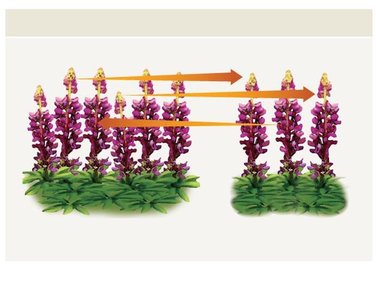
Gene flow is the movement of alleles between populations via migration and mating. Restricting gene flow increases genetic differences between populations, while gene flow tends to homogenize allele frequencies. Gene flow is random with respect to fitness.
Mutation
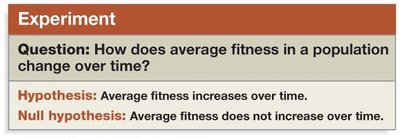
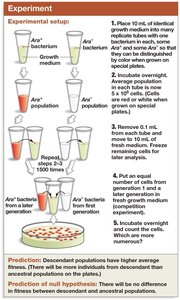
Mutation introduces new alleles into populations, restoring genetic diversity. Most mutations are deleterious, but some can be beneficial and increase in frequency via selection. Mutation is especially important in organisms with short generation times, such as bacteria and archaea.
Mutation is random with respect to fitness.
Provides the raw material for evolution; without mutation, evolution would eventually stop.
Nonrandom Mating
Nonrandom mating occurs when individuals do not mate randomly with respect to certain genes. Factors include mating preferences, geographic constraints, resource availability, and organismal mobility. Nonrandom mating can alter genotype frequencies but does not necessarily change allele frequencies unless coupled with selection.
Environmental Variance
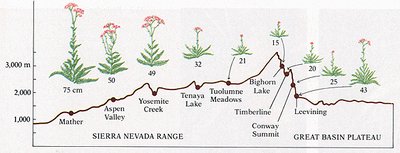
Environmental variation can cause differences in traits independent of genetic fitness. Examples include temperature-dependent sex determination in reptiles and geographical clines in plant height.
Adaptive Processes of Evolution
Natural Selection
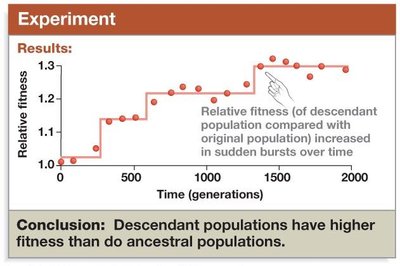
Natural selection tests how alleles contribute to fitness in a given environment. It can increase the frequency of adaptive alleles and decrease the frequency of non-adaptive alleles. Several patterns of natural selection exist:
Heterozygote advantage
Directional selection
Stabilizing selection
Diversifying (disruptive) selection
Sexual selection
Heterozygote Advantage
Heterozygote advantage (hybrid vigor) occurs when heterozygous individuals have higher fitness than homozygotes, maintaining genetic variation in the population. This is important for adaptability to environmental changes.
Directional Selection
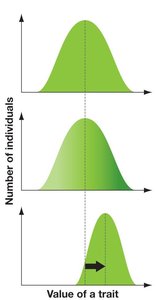
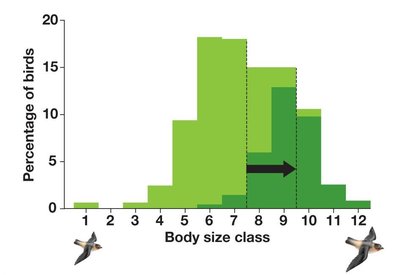
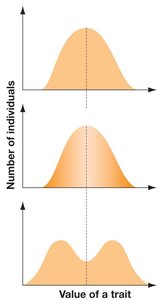
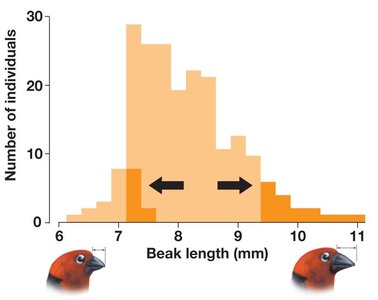
Directional selection reduces genetic diversity and shifts the average value of a trait by favoring one extreme phenotype. Advantageous alleles may become fixed, while disadvantageous alleles may be lost.
Stabilizing Selection
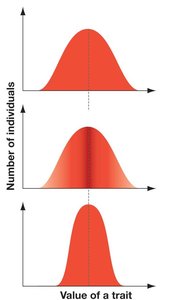
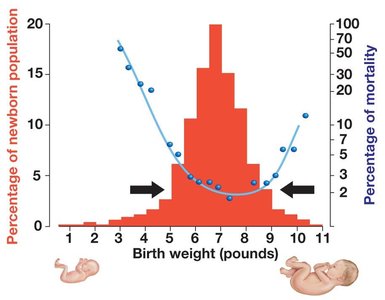
Stabilizing selection reduces genetic variation but does not change the mean trait value. It favors intermediate phenotypes and selects against extremes.
Diversifying (Disruptive) Selection
Diversifying selection maintains or increases genetic variation by favoring extreme phenotypes over intermediates. This can lead to speciation if individuals with similar extreme traits preferentially mate with each other.
Sexual Selection
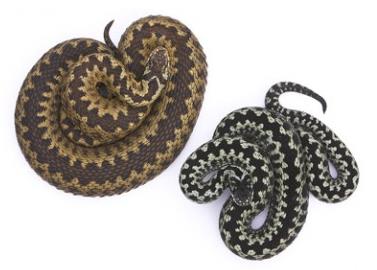
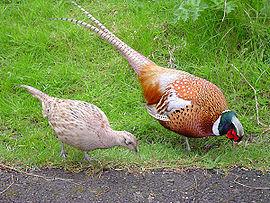
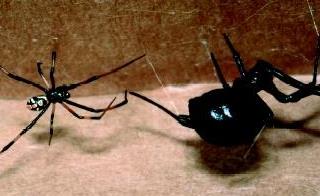
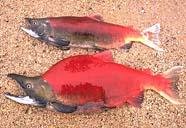
Sexual selection arises from differences in the ability to attract mates. It often leads to sexual dimorphism—distinct differences between males and females. Sexual selection can be driven by female choice or male-male competition.
Female choice: Females select mates based on traits that signal genetic quality or resource acquisition.
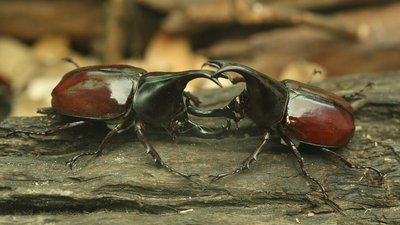
Male competition: Males compete for access to mates, often through displays or combat.
Consequences of Sexual Selection and Inbreeding
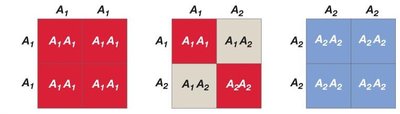
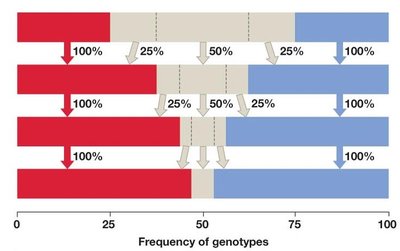
Sexual selection can violate Hardy-Weinberg equilibrium by changing allele frequencies. Inbreeding increases homozygosity and can lead to inbreeding depression—a decline in average fitness due to increased expression of deleterious alleles. Inbreeding changes genotype frequencies but not allele frequencies.
Sexual Selection vs. Nonrandom Mating
Sexual selection is adaptive and based on gender-specific roles, while nonrandom mating can be adaptive or non-adaptive, depending on whether it is driven by environmental constraints or subjective preferences. Both processes influence reproductive success and genetic structure in populations.