 Back
Protein Structure and Function: Foundations of Life
Study Guide - Smart Notes
 Tailored notes based on your materials, expanded with key definitions, examples, and context.
Protein Structure and Function
Introduction to Proteins and Amino Acids
Proteins are essential macromolecules that perform a vast array of functions in living organisms. They are composed of amino acids, which are organic molecules that serve as the building blocks of proteins. The study of protein structure and function is fundamental to understanding biological processes and the origin of life.
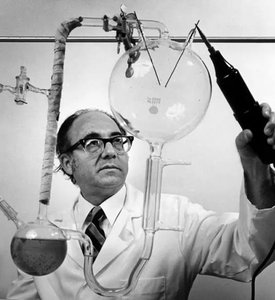
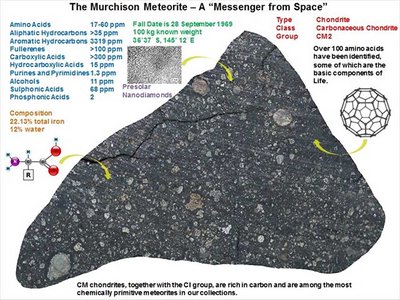
Amino acids were likely abundant during chemical evolution and have been found in meteorites and synthesized in laboratory experiments simulating early Earth conditions.
Proteins must possess key attributes of life: information storage, replication, and the capacity for evolution.
Basic Structure of Amino Acids
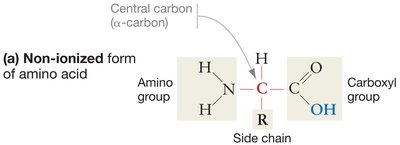
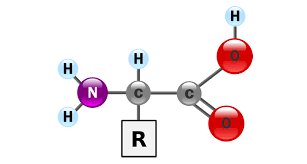
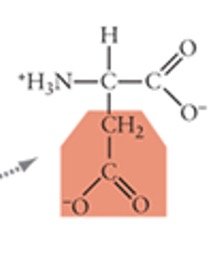
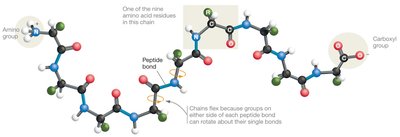
All amino acids share a common core structure, consisting of a central carbon atom (the α-carbon) bonded to an amino group, a carboxyl group, a hydrogen atom, and a variable side chain (R-group). The R-group determines the unique properties of each amino acid.
Amino group (–NH2)
Carboxyl group (–COOH)
Hydrogen atom
R-group (side chain): variable among the 20 standard amino acids
Classification of Amino Acids by R-Groups
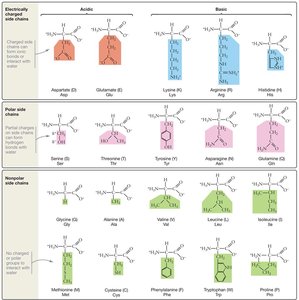
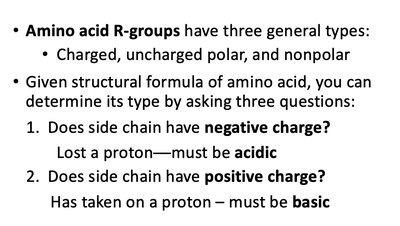
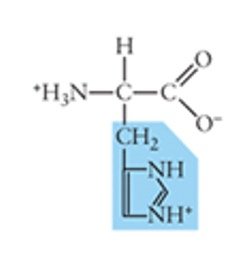
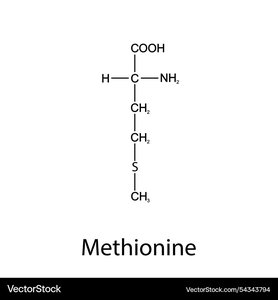
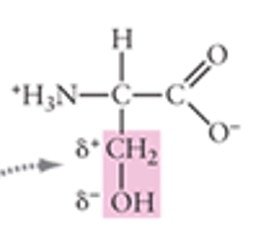
The chemical nature of the R-group determines the solubility and reactivity of each amino acid. Amino acids are classified based on the properties of their side chains:
Charged (acidic or basic)
Polar (uncharged)
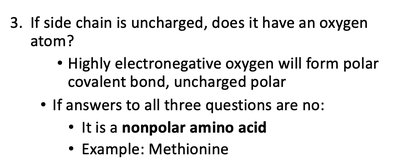
Nonpolar (hydrophobic)
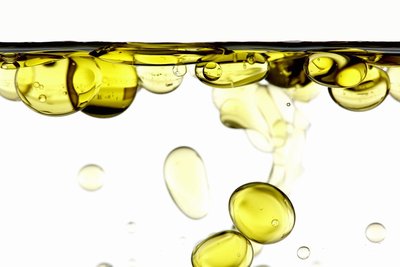
Charged and polar R-groups are hydrophilic and interact with water, while nonpolar R-groups are hydrophobic and avoid water.
Peptide Bond Formation and Protein Polymerization
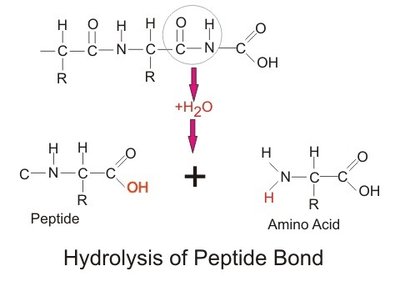
Amino acids are linked together by peptide bonds, which form between the carboxyl group of one amino acid and the amino group of another through a condensation (dehydration synthesis) reaction. This process creates a polypeptide chain, the primary structure of a protein.
Peptide bond: Covalent C–N bond formed by condensation reaction
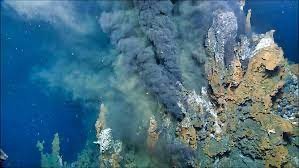
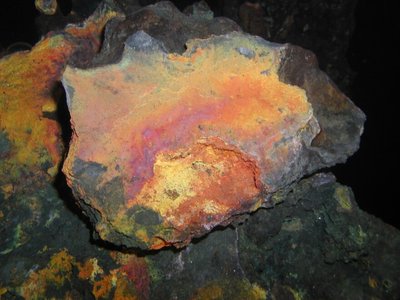
Polymerization is facilitated by mineral surfaces and energy-rich environments, such as hydrothermal vents

Levels of Protein Structure
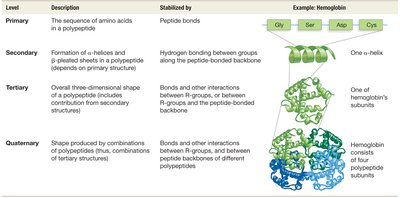
Proteins have four levels of structural organization, each contributing to the molecule's overall shape and function:
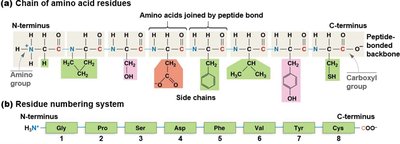
Primary structure: Linear sequence of amino acids in a polypeptide chain
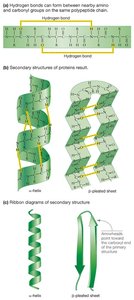
Secondary structure: Local folding into α-helices and β-pleated sheets, stabilized by hydrogen bonds
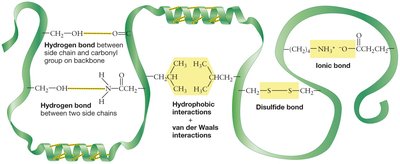
Tertiary structure: Overall three-dimensional shape formed by interactions among R-groups
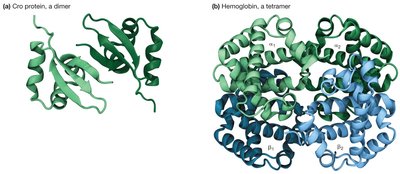
Quaternary structure: Association of multiple polypeptide subunits
Summary Table: Protein Structure
Level | Description | Stabilized by | Example: Hemoglobin |
|---|---|---|---|
Primary | Sequence of amino acids in a polypeptide | Peptide bonds | Gly-Ser-Asp-Cys |
Secondary | Formation of α-helices and β-sheets | Hydrogen bonds | α-helix |
Tertiary | Three-dimensional shape | Bonds and interactions between R-groups | One hemoglobin subunit |
Quaternary | Shape produced by combinations of polypeptides | Bonds and interactions between R-groups of different polypeptides | Hemoglobin (4 subunits) |
Protein Folding, Denaturation, and Chaperones
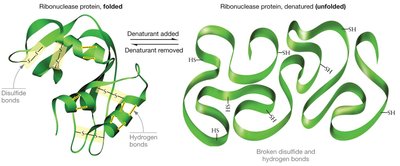
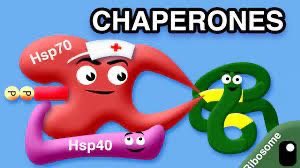
Protein function depends on correct folding. Denaturation (unfolding) disrupts structure and function, but some proteins can refold with the help of molecular chaperones. Chaperones assist in proper folding and prevent aggregation, especially under stress conditions such as heat shock.
Protein Structure, Disease, and Biological Function
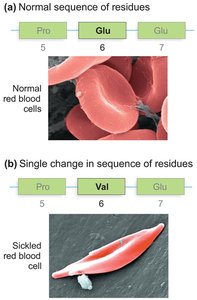
Changes in amino acid sequence or environmental conditions can alter protein structure and function, sometimes causing disease. For example, prions are misfolded proteins that can induce normal proteins to misfold, leading to neurodegenerative diseases. In Alzheimer's disease, abnormal tau protein aggregation damages neurons.
Diverse Functions of Proteins
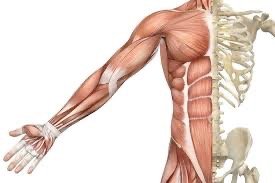
Proteins perform a wide variety of functions in cells, including:
Catalysis: Enzymes speed up chemical reactions
Structure: Provide support and shape to cells and tissues
Movement: Motor proteins move cells or molecules
Signaling: Transmit signals between cells
Transport: Move molecules across membranes or throughout the body
Defense: Antibodies protect against pathogens
Enzymes: Protein Catalysts
Enzymes are proteins that act as biological catalysts, increasing the rate of chemical reactions. They bind specific reactants (substrates) at their active site, orienting them to facilitate the reaction. The structure of the active site is critical for enzyme specificity and function.
Active site: Region on the enzyme where substrates bind and react
Enzyme function is highly dependent on protein structure
Additional info: Protein structure is a central concept in biology, as it determines the function of enzymes, structural proteins, and signaling molecules. Even a single amino acid change can have profound effects, as seen in diseases like sickle cell anemia and prion diseases.
