 Back
Protist Diversity and Evolution: An Overview of Unicellular Eukaryotes
Study Guide - Smart Notes
 Tailored notes based on your materials, expanded with key definitions, examples, and context.
Protist Diversity: Unicellular (Mostly) Eukaryotes
Introduction to Protists
Protists are a diverse group of mostly unicellular eukaryotic organisms that do not fit into the kingdoms of plants, animals, or fungi. They are characterized by their complex cellular structures, which include a nucleus and various membrane-bound organelles. The diversity of protists is a result of evolutionary processes such as endosymbiosis, leading to a wide range of forms, nutritional strategies, and life cycles.
Definition: Protists are informal eukaryotes that are not classified as plants, animals, or fungi.
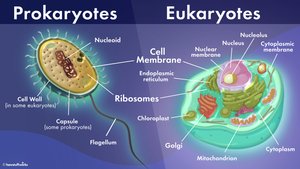
Cell Structure: Eukaryotic cells possess a nucleus and other organelles, making them structurally more complex than prokaryotes.
Cytoskeleton: A well-developed cytoskeleton allows for asymmetric shapes and dynamic changes in cell form.
Origins of Protistan Diversity: Endosymbiosis
Primary and Secondary Endosymbiosis
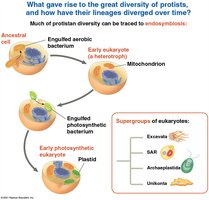
Much of the diversity among protists can be traced to endosymbiotic events. Primary endosymbiosis involved the engulfment of a prokaryote by an ancestral eukaryote, leading to the formation of mitochondria and plastids. Secondary endosymbiosis occurred when eukaryotic cells engulfed other eukaryotic algae, further increasing diversity.
Primary Endosymbiosis: Origin of mitochondria (from an alpha-proteobacterium) and plastids (from a cyanobacterium).
Secondary Endosymbiosis: Ingestion of red or green algae by other eukaryotes, resulting in complex plastid structures.
Lineages: Led to the evolution of red and green algae, and subsequently to land plants.
Structural and Functional Diversity of Protists
Cellular Complexity and Unique Organelles
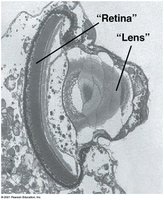
Protists exhibit more structural and functional diversity than any other group of eukaryotes. Most are unicellular, but some form colonies or are multicellular. Unicellular protists are highly complex, as each cell must perform all life functions independently. Some possess unique organelles not found in other eukaryotes, such as the ocelloid in dinoflagellates.
Unicellular Complexity: Each cell carries out all necessary life processes.
Unique Organelles: For example, the ocelloid in Erythropsidinium functions like an eye.
Nutritional Diversity in Protists
Modes of Nutrition
Protists display a wide range of nutritional strategies, including photoautotrophy, heterotrophy (by ingestion or absorption), and mixotrophy. This diversity allows them to occupy various ecological niches.
Photoautotrophs: Use light energy to synthesize organic compounds (e.g., Volvox).
Heterotrophs (Ingestion): Consume other organisms (e.g., Amoeba).
Heterotrophs (Absorption): Absorb nutrients from the environment (e.g., Trichonympha).
Mixotrophs: Combine photosynthesis and heterotrophy (e.g., Euglena).

Reproduction in Protists
Asexual and Sexual Reproduction
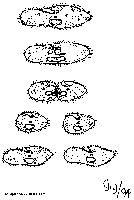
Protists reproduce through a variety of mechanisms, including binary fission (asexual) and complex life cycles involving both sexual and asexual phases. Some species reproduce exclusively asexually, while others alternate between modes depending on environmental conditions.
Binary Fission: A common form of asexual reproduction where the cell divides into two identical offspring.
Sexual Reproduction: Involves the fusion of gametes and increases genetic diversity.
Alternation of Generations: Some multicellular protists alternate between haploid and diploid forms.
Major Supergroups of Eukaryotes
Classification and Phylogeny
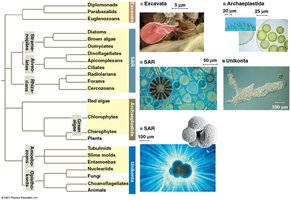
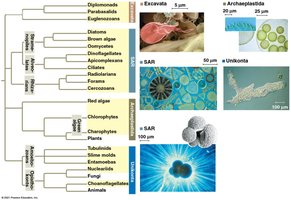
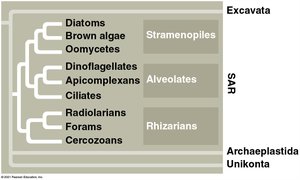
Current hypotheses divide eukaryotes into four supergroups: Excavata, SAR (Stramenopiles, Alveolates, Rhizarians), Archaeplastida, and Unikonta. These groups are defined by molecular and morphological data, and their relationships are the subject of ongoing research.
Excavata: Characterized by an "excavated" feeding groove and unique flagellar structures.
SAR: Includes Stramenopiles, Alveolates, and Rhizarians.
Archaeplastida: Includes red algae, green algae, and land plants.
Unikonta: Includes amoebozoans, fungi, and animals.
Supergroup Excavata
Diplomonads and Parabasalids
Members of Excavata are defined by their unique cytoskeletal features and, in some, an excavated feeding groove. Diplomonads and parabasalids are notable for their reduced mitochondria and adaptation to anaerobic environments.
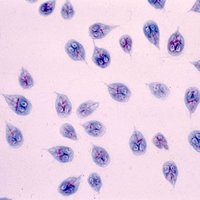
Diplomonads: Have mitosomes (reduced mitochondria), lack electron transport chains, possess two nuclei, and multiple flagella. Many are parasitic, such as Giardia intestinalis.
Parabasalids: Have hydrogenosomes (reduced mitochondria), release hydrogen gas, and include both mutualists and parasites (e.g., Trichomonas vaginalis).
Euglenozoans
Euglenozoans are distinguished by a spiral or crystalline rod inside their flagella. This group includes kinetoplastids and euglenids, which display a variety of nutritional modes.
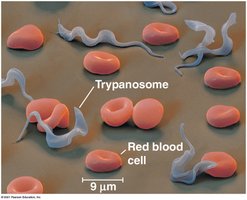
Kinetoplastids: Possess a single large mitochondrion with a kinetoplast (organized DNA mass). Includes free-living and parasitic species, such as Trypanosoma (causes sleeping sickness).
Euglenids: Have one or two flagella emerging from a pocket, and many are mixotrophic.
Supergroup SAR: Stramenopiles, Alveolates, Rhizarians
Stramenopiles
Stramenopiles are important photosynthetic protists, typically with two flagella (one hairy, one smooth). Major groups include diatoms, brown algae, and oomycetes.
Diatoms: Unicellular algae with glass-like walls of silicon dioxide. They are major components of phytoplankton and contribute to diatomaceous earth, used in filtration and as a pesticide.
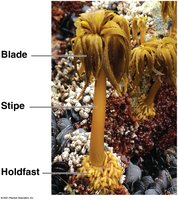
Brown Algae: The largest and most complex algae, mostly marine, with plant-like structures (blade, stipe, holdfast). Exhibit alternation of generations.
Oomycetes: Water molds and downy mildews, once classified as fungi, with cellulose cell walls. Many are decomposers or parasites (e.g., Phytophthora infestans, which caused the Irish potato famine).
Alveolates
Alveolates are distinguished by membrane-bound sacs (alveoli) beneath the plasma membrane. Major groups include dinoflagellates, apicomplexans, and ciliates.
Dinoflagellates: Abundant in phytoplankton, have two flagella in grooves of cellulose plates, and can cause red tides (harmful algal blooms).
Apicomplexans: Animal parasites with complex life cycles involving multiple hosts (e.g., Plasmodium, the cause of malaria).
Ciliates: Use cilia for movement and feeding, possess two types of nuclei, and reproduce by binary fission and conjugation.
Rhizarians
Rhizarians are mostly amoeboid protists with threadlike pseudopodia. Major groups include radiolarians, foraminiferans, and cercozoans.
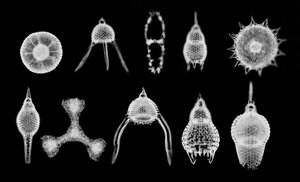
Radiolarians: Have intricate silica skeletons and use pseudopodia for feeding.
Foraminiferans: Possess porous calcium carbonate shells (tests) and are important in the fossil record for dating rocks and estimating past ocean temperatures.
Cercozoans: Diverse group, mostly heterotrophic, with some autotrophic species due to endosymbiosis with cyanobacteria.
Supergroup Unikonta: Amoebozoans
Amoebozoans
Amoebozoans are characterized by lobe- or tube-shaped pseudopodia. They include free-living amoebae, slime molds, and parasitic species. Amoebozoans are important as predators, detritus feeders, and in some cases, pathogens.
Tubulinids: Free-living amoebae found in marine, freshwater, and soil environments.
Slime Molds: Exhibit both unicellular and multicellular stages in their life cycles.
Entamoebas: Parasitic amoebae, some of which infect humans and other animals.
Summary Table: Major Protist Groups
Supergroup | Major Clades | Key Features | Examples |
|---|---|---|---|
Excavata | Diplomonads, Parabasalids, Euglenozoans | Excavated feeding groove, modified mitochondria | Giardia, Trichomonas, Euglena |
SAR | Stramenopiles, Alveolates, Rhizarians | Hairy/smooth flagella, alveoli, threadlike pseudopodia | Diatoms, Brown algae, Dinoflagellates, Forams |
Archaeplastida | Red algae, Green algae, Land plants | Primary endosymbiosis, plastids | Chlamydomonas, Volvox |
Unikonta | Amoebozoans, Opisthokonts | Lobe-shaped pseudopodia | Amoeba proteus, Slime molds |
Additional info: The classification and evolutionary relationships among protists are continually revised as new molecular data become available. Protists play crucial roles in ecological systems as primary producers, decomposers, and pathogens.
