 Back
BackProtists and Fungi: Diversity, Structure, and Importance
Study Guide - Smart Notes
 Tailored notes based on your materials, expanded with key definitions, examples, and context.
Protists
Theory of Endosymbiosis
The theory of endosymbiosis explains the origin of mitochondria and chloroplasts in eukaryotic cells. It proposes that these organelles originated as symbiotic, aerobic eubacteria engulfed by ancestral eukaryotic cells. Mitochondria retain their own circular DNA and divide by simple fission, although their division is directed by nuclear genes.
Classification and Diversity of Protists
Protists are the most diverse kingdom of eukaryotes, forming an artificial group for convenience. They are primarily single-celled organisms, and their classification is based on characteristics such as locomotion, pigments, body form, presence of armor, and modes of nutrition and movement.
Cell Surface: Protists possess a varied array of cell surfaces.
Locomotor Organelles: Includes flagella, cilia, and pseudopodia.
Cyst Formation: Dormant form with resistant covering, metabolism shut down.
Nutrition: Includes phototrophs, heterotrophs (phagotrophs and osmotrophs).
Reproduction: Typically asexual, with sexual reproduction during stress.
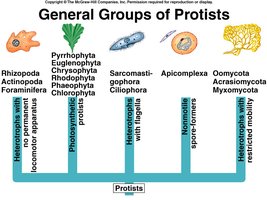
General Groups of Protists
Protists are grouped based on their nutritional modes and mobility:
Animal-like protists (Protozoans): Heterotrophic, classified by movement (cilia, flagella, pseudopodia, or nonmotile).
Plant-like protists (Algae): Photosynthetic, classified by color and cellularity.
Fungus-like protists: Slime molds and water molds, restricted mobility.
Protozoans: Animal-like Protists
Ciliates: Move using cilia; e.g., Paramecia.
Flagellates: Move using flagella; some are also photosynthetic.
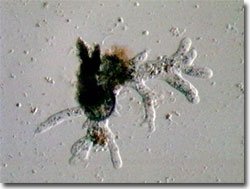
Sarcodines: Move by cytoplasmic streaming and pseudopodia; e.g., Amoeba.
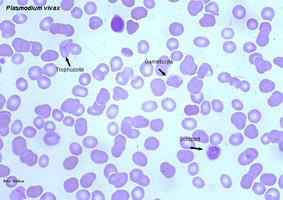
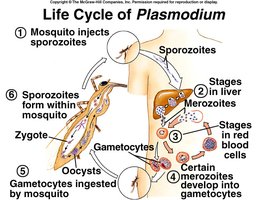
Sporozoans: Nonmotile, parasitic; e.g., Plasmodium (malaria).
Heterotrophs with Flagella
Zoomastigophora: Unicellular, heterotrophic, at least one flagellum. Includes Trypanosoma (African Sleeping Sickness), Crithidia, and Giardia lamblia (Hiker’s Diarrhea).
Sporozoans and Malaria
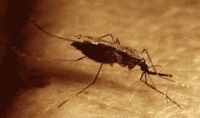
Malaria is caused by the sporozoan Plasmodium, transmitted by mosquitoes. The life cycle involves both asexual and sexual phases, with different antigens produced at each stage.
Algae: Plant-like Protists
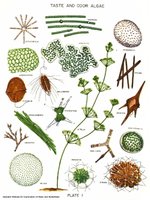
Algae are photosynthetic protists, classified by color and cellularity. They are simpler than true plants and are major contributors to global photosynthesis.
Photosynthetic Protists
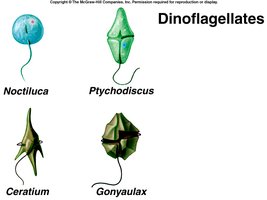
Pyrrhophyta (Dinoflagellates): Unicellular, distinctive flagella, protective coats.
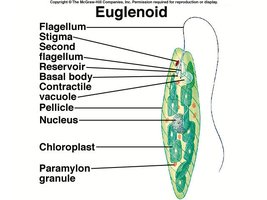
Euglenophyta (Euglenoids): Freshwater, some autotrophic, have pellicle and stigma.
Chlorophyta (Green Algae): Extensive fossil record, mostly aquatic.
Chrysophyta (Diatoms and Golden Algae): Diatoms have double shells of silica; golden algae have carotenoid pigments.
Rhodophyta (Red Algae): Marine, colored by phycobilin pigment.
Phaeophyta (Brown Algae): Multicellular, marine, includes kelp forests.
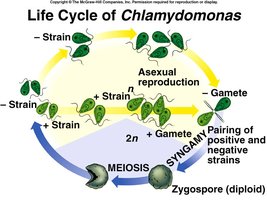
Fungus-like Protists
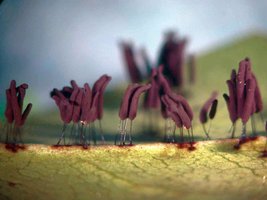
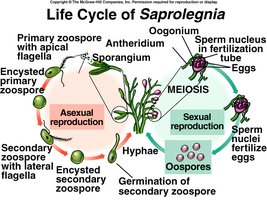
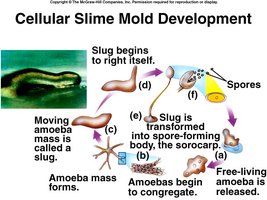
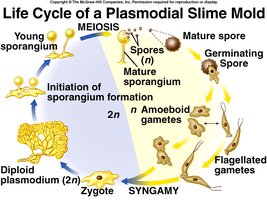
Slime molds have dual life cycles, starting as motile amoeboid cells and later forming fruiting bodies and spores. Water molds and other fungus-like protists are important decomposers and parasites.
Ecological Importance of Protists
Slime molds: Decomposers, recycle nutrients.
Algae: Major photosynthesizers, produce food and oxygen.
Protists: Form the base of many food chains; some are disease pathogens.
Fungi
Characteristics of Fungi
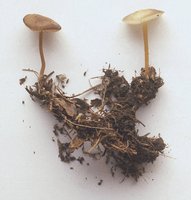
Fungi are eukaryotic, mostly multicellular and filamentous, though some (yeasts) are single-celled. They are heterotrophic, absorbing nutrients through their cell walls, and do not move. Fungi play a crucial role in decomposing dead organic matter.
Structure of Fungi
Cell wall: Made of chitin.
Hyphae: Filamentous chains of cells.
Mycelium: Mass of hyphae, main vegetative structure.
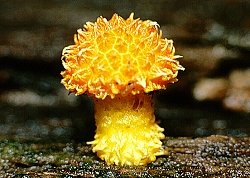
Fruiting body: Reproductive structure.
How Fungi Obtain Nutrients
Fungi secrete digestive enzymes externally and absorb the resulting organic molecules. Their extensive hyphal networks provide a large surface area for absorption. Many fungi can break down cellulose in wood.
Major Groups of Fungi
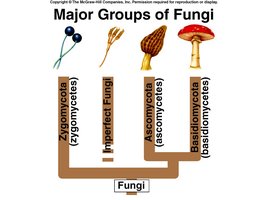
Fungi are classified into major phyla based on their sexual reproductive structures:
Phylum | Key Features |
|---|---|
Zygomycota | Common molds, zygospore as fruiting body |
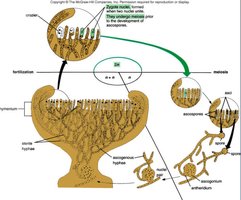
Ascomycota | Sac fungi, spores in sacs (asci) |
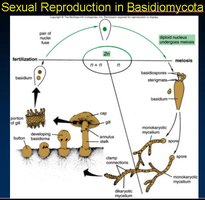
Basidiomycota | Club fungi, spores on basidia |
Deuteromycota | Imperfect fungi, no observed sexual stage |
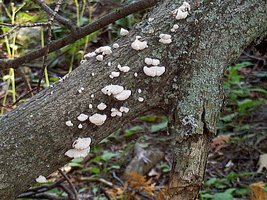
Basidiomycota (Club Fungi)
Importance: Some are poisonous, high in nutrients, involved in nutrient recycling, pharmaceuticals.
Examples: Mushrooms, shelf fungi.
Ascomycota (Sac Fungi)
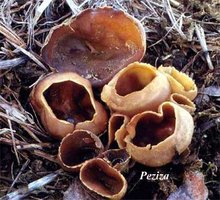
Fruiting bodies: Form sacs (asci) of spores.
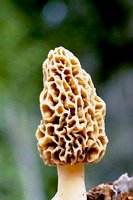
Examples: Truffles, morels, yeasts.
Yeast: Usually reproduce asexually by budding.
Importance of Ascomycota
Truffles and morels: Prized culinary fungi.
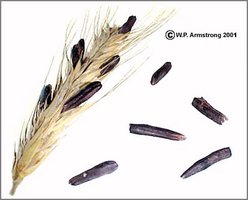
Ergot fungus: Infects grains, causes ergotism, source for LSD manufacture.
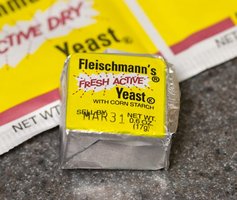
Yeast: Used in baking, fermentation, production of glycerol, explosives; some cause disease.
Zygomycota (Common Molds)
Zygospore: Fruiting body.
Uses: Food sources, industrial uses, pharmaceuticals, pigments.
Deuteromycota (Imperfect Fungi)
No sexual stage observed: Artificial grouping.
Reproduction: By conidiospores on hyphae.
Importance: Penicillium (antibiotics, cheese), Aspergillus (citric acid, soy sauce, respiratory disease, aflatoxin).
Symbiotic Relationships
Mutualism: Both species benefit. Example: Lichen (fungus and algae/cyanobacteria).
Mycorrhizae: Mutualistic relationship between fungi and plant roots. Endomycorrhizae penetrate root cells; ectomycorrhizae surround root cells.
Parasitism: One organism benefits, the other is harmed. Example: Fungal infections in insects.
Fungal Infections in Humans
Valley Fever: Fungal infection of the lungs.
Ringworm: Fungal infection of the skin.
Summary Table: Major Groups of Fungi
Group | Reproductive Structure | Examples |
|---|---|---|
Zygomycota | Zygospore | Bread mold |
Ascomycota | Ascus (sac) | Yeast, truffles, morels |
Basidiomycota | Basidium (club) | Mushrooms, shelf fungi |
Deuteromycota | Conidiospores | Penicillium, Aspergillus |
Additional info: Some details about protist and fungal life cycles, ecological roles, and industrial uses were expanded for academic completeness.
