 Back
BackProtists and Plant Diversity: Structure, Function, and Evolution
Study Guide - Smart Notes
 Tailored notes based on your materials, expanded with key definitions, examples, and context.
Protists: Diversity, Structure, and Evolution
Protist Overview
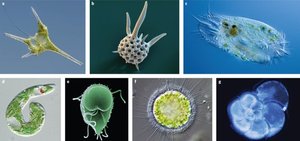
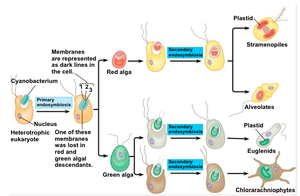
Protists are a diverse group of eukaryotic organisms that are not classified as animals, plants, or fungi. They exhibit a wide range of nutritional strategies, including photoautotrophy, heterotrophy, and mixotrophy. The diversity of protists is largely attributed to endosymbiosis, a process in which one organism lives inside another, leading to the evolution of complex cell structures.
Definition: Protists are any eukaryote that is not an animal, plant, or fungus.
Endosymbiosis: The origin of mitochondria and plastids (such as chloroplasts) in eukaryotes is explained by the engulfment of prokaryotic cells by ancestral eukaryotes.
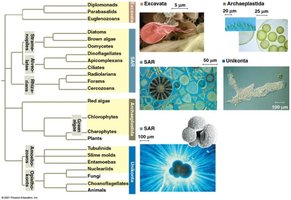
Supergroups: Eukaryotes are divided into four supergroups: Excavata, SAR, Archaeplastida, and Unikonta.
Excavata
Members of the Excavata supergroup are characterized by a unique cytoskeleton and an "excavated" feeding groove. They include several important parasitic and free-living protists.
Parabasalids: Possess hydrogenosomes (reduced mitochondria) that generate hydrogen gas anaerobically.
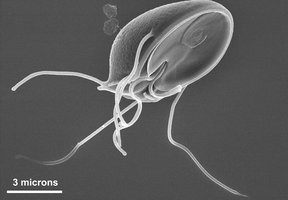
Diplomonads: Anaerobic parasites with mitosomes (reduced mitochondria), two nuclei, and multiple flagella.
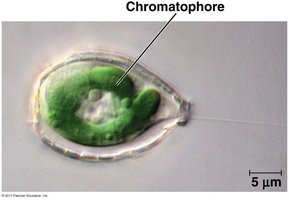
Euglenozoans: Include heterotrophs, autotrophs, mixotrophs, and parasites. Euglenids have one or two flagella and can be mixotrophic.
SAR Supergroup
The SAR clade includes Stramenopiles, Alveolates, and Rhizarians, each with unique structural and ecological features.
Stramenopiles: Characterized by hairy and smooth flagella. Includes diatoms (with silica walls), brown algae (largest algae), and oomycetes (water molds).
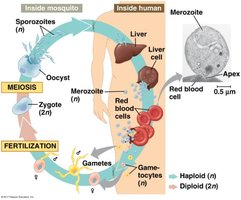
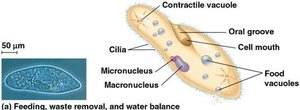
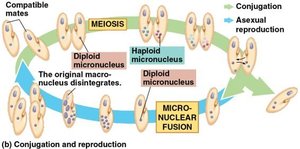
Alveolates: Have membrane-bound sacs (alveoli) under the plasma membrane. Includes dinoflagellates (cause red tides), apicomplexans (animal parasites), and ciliates (move with cilia).
Rhizarians: Amoebas with threadlike pseudopodia. Includes radiolarians (silica skeletons), forams (calcium carbonate shells), and cercozoans.
Archaeplastida
Archaeplastida includes red algae, green algae, and land plants. This group is united by the presence of chloroplasts derived from primary endosymbiosis.
Red Algae: Multicellular seaweeds with phycoerythrin pigment, allowing them to live at greater depths.
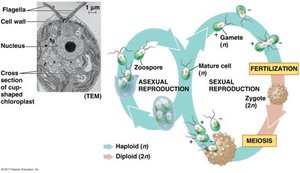
Green Algae: Includes chlorophytes and charophytes. Charophytes are the closest relatives to land plants.
Unikonta
Unikonta includes amoebozoans and opisthokonts (animals, fungi, and related protists). Amoebozoans move and feed using lobe- or tube-shaped pseudopodia.
Slime Molds: Plasmodial and cellular types, once thought to be fungi due to similar reproductive structures.
Tubulinids: Free-living amoebas, mostly heterotrophic.
Entamoebas: Parasitic amoebas.
Protist Roles in Ecosystems
Protists play essential roles as symbionts and producers in ecosystems.
Symbionts: Can be beneficial (e.g., protists in termite guts) or harmful (e.g., Plasmodium causing malaria).
Producers: Photosynthetic protists form the base of many aquatic food webs and are responsible for significant oxygen production.
Plant Diversity I: Seedless Plants
Origin and Evolution of Plants
Plants evolved from green algae, specifically charophytes. Several key adaptations allowed plants to colonize land, including the development of spores, apical meristems, and protective structures for embryos.
Evidence for Plant-Ancestor Relationship: Similarities in cell wall composition, chlorophyll types, and DNA sequences.
Adaptations for Land: Cuticle, stomata, alternation of generations, and multicellular gametangia.
Nonvascular Plants (Bryophytes)
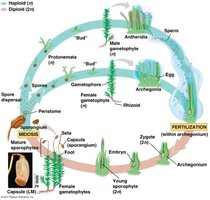
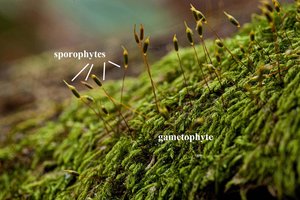
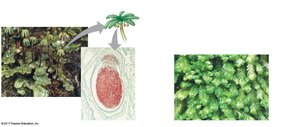
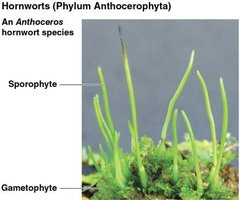
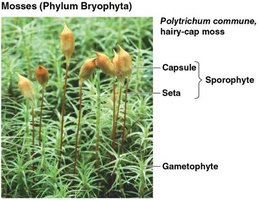
Bryophytes include mosses, liverworts, and hornworts. They lack vascular tissue and are dominated by the gametophyte stage.
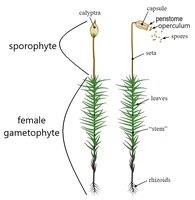
Structure: Rhizoids anchor the plant but do not transport nutrients. Gametangia produce gametes: archegonia (female) and antheridia (male).
Sporophyte: Dependent on the gametophyte, consists of foot, seta, and sporangium (capsule).
Seedless Vascular Plants
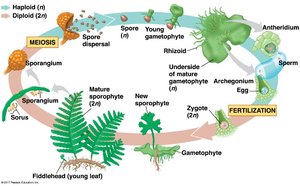
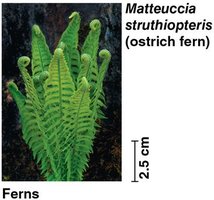
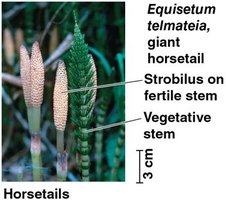
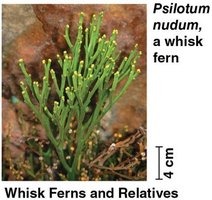
Seedless vascular plants, such as ferns, horsetails, and lycophytes, have vascular tissues (xylem and phloem) and are dominated by the sporophyte stage.
Xylem: Transports water and minerals; composed of dead cells (tracheids).
Phloem: Transports sugars; composed of living cells.
Leaves: Microphylls (single vein) and megaphylls (branched veins).
Sporophylls: Modified leaves bearing sporangia; sori are clusters of sporangia.
Plant Diversity II: Seed Plants
Seed Plant Adaptations
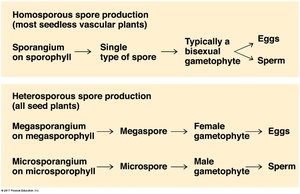
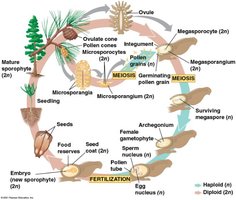
Seed plants are characterized by reduced gametophytes, heterospory, ovules, and pollen. Seeds provide advantages such as dormancy, food storage, and dispersal.
Ovule: Consists of a megasporangium, megaspore, and integuments.
Pollen: Male gametophyte enclosed within a pollen wall; allows fertilization without water.
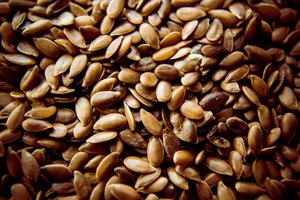
Seed: Multicellular structure containing an embryo and food supply, protected by a seed coat.
Gymnosperms
Gymnosperms are seed plants with "naked" seeds, usually in cones. Major phyla include Cycadophyta, Ginkgophyta, Gnetophyta, and Coniferophyta.
Conifers: Largest group; mostly evergreen trees with needlelike leaves and woody cones.
Angiosperms
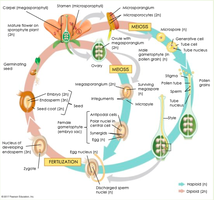
Angiosperms are flowering plants that produce seeds enclosed in fruits. They are the most diverse group of plants.
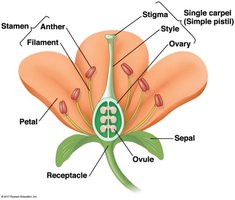
Flower Structure: Sepals, petals, stamens (male), and carpels (female).
Fruit: Mature ovary that aids in seed dispersal.
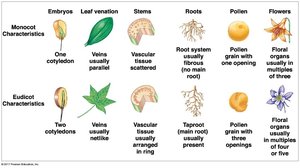
Monocots vs Eudicots: Differ in number of cotyledons, leaf venation, stem vascular arrangement, root system, pollen structure, and floral organs.
Human Reliance on Seed Plants
Seed plants are essential for human food, fuel, medicine, and ecosystem services. Threats to plant diversity include habitat destruction and deforestation, which can lead to loss of biodiversity and ecosystem function.
