 Back
BackProtists: Diversity, Classification, and Biological Significance
Study Guide - Smart Notes
 Tailored notes based on your materials, expanded with key definitions, examples, and context.
Protists: Overview and Classification
Introduction to Protists
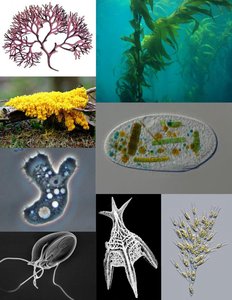
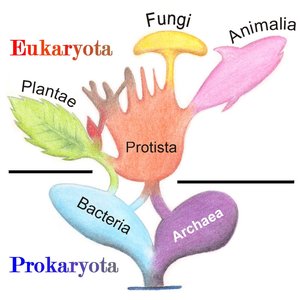
Protists are a diverse group of eukaryotic organisms that are not classified as animals, plants, or fungi. They exhibit a wide range of morphologies, life cycles, and ecological roles, making them difficult to classify.
Eukaryotic: Possess a nucleus and membrane-bound organelles.
Paraphyletic: Descended from a common ancestor but do not include all descendants.
Historically a 'catch-all' kingdom, now divided into multiple clades based on molecular data.
Protist Classification Challenges
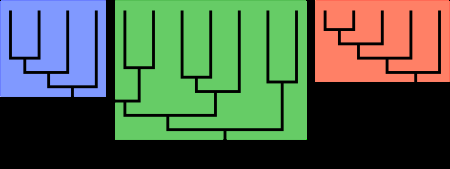
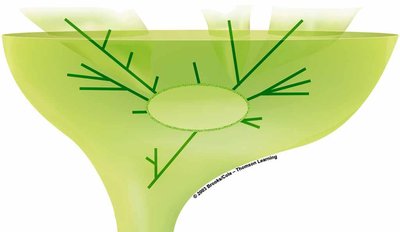
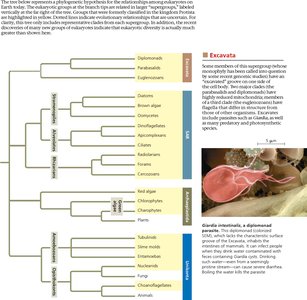
Protists are not a monophyletic group, and their classification is continually revised as new molecular and biochemical data emerge.
Protists are grouped as clades of phylogenetically related organisms.
Some protists are significant parasites of animals, plants, or other protists.
Examples include malaria (Plasmodium), potato blight, and sleeping sickness (Trypanosoma).
Major Groups of Protists
Flagellated Protozoans
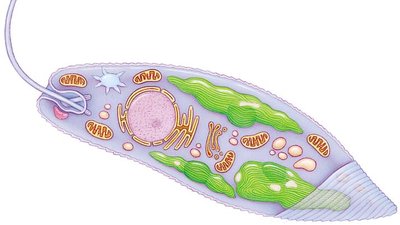
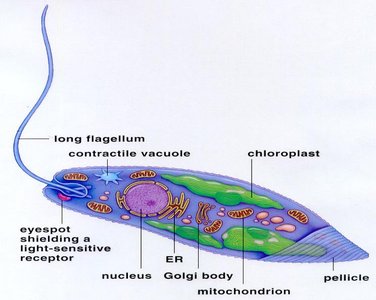
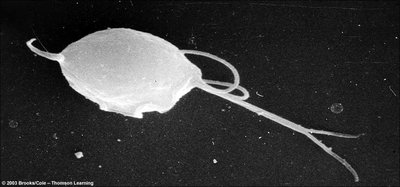
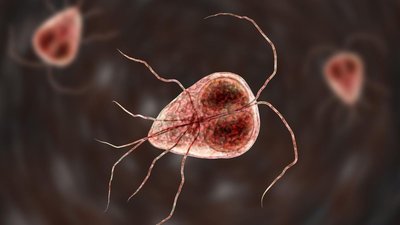
Flagellated protozoans are characterized by the presence of one or more flagella, which they use for movement. Most are heterotrophs, but some are photoautotrophic.
Euglenoids: Free-living, often with chloroplasts; acquired chloroplasts by endosymbiosis.
Kinetoplastids: Includes trypanosomes, which cause diseases like African sleeping sickness and Chagas disease.
Parabasalids: Includes Trichomonas vaginalis, a sexually transmitted parasite.
Diplomonads: Includes Giardia, an intestinal parasite.
Amoeboid Protozoans (Sarcodina)
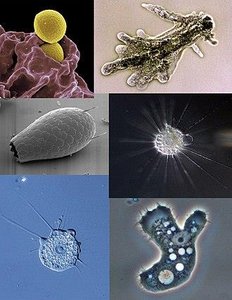
Amoeboid protozoans move by cytoplasmic streaming and pseudopods.
Naked amoebas: Lack shells.
Foraminiferans: Have calcium carbonate shells.
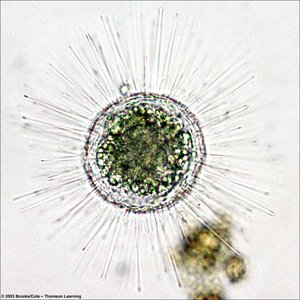
Radiolarians and Heliozoans: Have silica shells.
Alveolates
Alveolates are defined by the presence of tiny, membrane-bound sacs (alveoli) under their outer membranes.
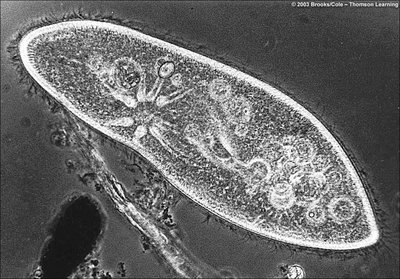
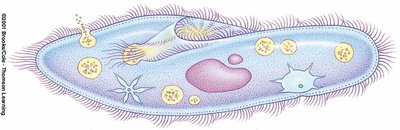
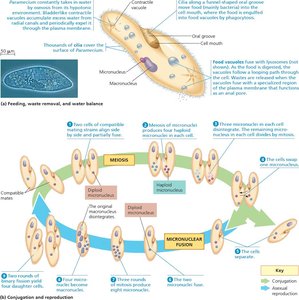
Ciliates: Move using arrays of cilia; all are heterotrophs.
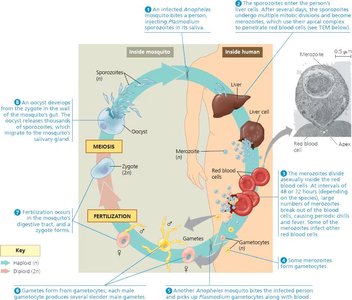
Sporozoans: Parasitic, often with complex life cycles involving multiple hosts.
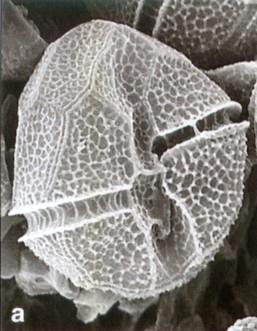
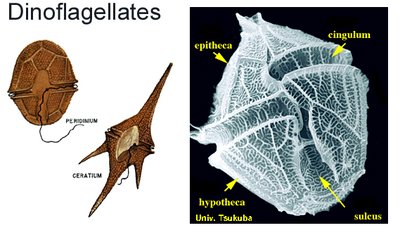
Dinoflagellates: Major producers in marine phytoplankton; some are bioluminescent or symbionts with corals.
Sporozoans and Disease
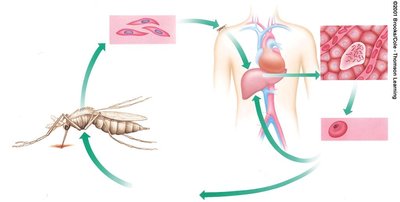
Sporozoans are important parasites, causing diseases such as malaria, toxoplasmosis, and cryptosporidiosis.
Plasmodium: Causes malaria, transmitted by Anopheles mosquitoes.
Cryptosporidium: Causes diarrheal disease, often waterborne.
Toxoplasma: Can infect humans via undercooked meat or cat feces.
Slime Molds
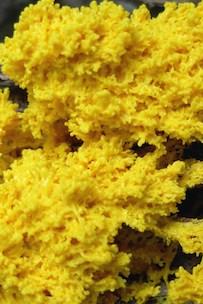
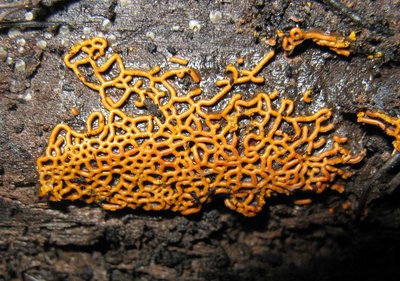
Slime molds are heterotrophic, free-living protists that can aggregate to form a slimy mass and migrate to find new food sources.
Plasmodial slime molds: Form multinucleate plasmodia that migrate and differentiate into spore-bearing structures.
Protist Cell Structure and Metabolism
Cell Structure
Protists are eukaryotic, with most being unicellular, though some exhibit primitive multicellularity or colonial forms.
Some are coenocytic (multinucleate cells).

Metabolism
Protists display a variety of metabolic strategies.
Photoautotrophs: Use photosynthesis to produce food.
Heterotrophs: Engulf food by phagocytosis.
Saprobes: Feed on decaying organic matter.
Mixotrophs: Combine photosynthesis and heterotrophy.

Mobility
Many protists are motile, using cilia, pseudopods, or flagella for movement.
Cilia: Short, hair-like structures for movement.
Flagella: Long, whip-like structures.
Pseudopods: Temporary extensions of cytoplasm.
Life Cycles
Protists reproduce both asexually (by binary fission) and sexually (involving fertilization and meiosis).
Cysts: Resting stages during times of stress.
Ecological Roles of Protists
Ecology and Importance
Protists play key roles in ecological communities as primary producers, parasites, pathogens, and saprobes.
Phytoplankton: Food source for aquatic organisms.
Symbionts: Dinoflagellates in coral, green algae in lichens.
Human and plant pathogens: Malaria, sleeping sickness, powdery mildew.
Saprobes: Decompose organic matter.
Types of Algae
Algae Diversity
Algae are a diverse group of photosynthetic protists, ranging from microscopic single cells to giant seaweeds.
Variation in cellular structure, multicellular bodies (thalli), and pigments.
Heterokontophyta (Stramenopiles)
Golden and yellow-green algae: Silica scales or hard parts cover cells.
Diatoms: Silica shell of two overlapping parts; major component of phytoplankton.
Haptophyta - Coccolithophores
Coccolithophores are encased in calcium carbonate plates and can cause algal blooms that affect fish and produce noxious by-products.
Dinophyta - Dinoflagellates
Dinoflagellates are single photosynthetic cells, major producers in marine phytoplankton, and some are bioluminescent.
Red tides: Blooms of dinoflagellates that produce toxins harmful to marine life and humans.
Rhodophyta (Red Algae)
Mostly multicellular, some unicellular.
Red color from phycoerythrin pigment.
Cell walls contain mucous material; used to make agar and carrageenan.
Phaeophyceae (Brown Algae)
Includes giant kelps (Macrocystis, Laminaria).
Multicellular sporophytes with stipes, blades, and holdfasts.
Commercially harvested for alginates used in food and industry.
Chlorophyta and Charophyta (Green Algae)
Mostly freshwater, some marine.
Share features with higher plants; closest relatives to land plants.
Contain chlorophylls a and b, carotenoids, and xanthophylls.
Summary Table: Major Protist Groups
Group | Key Features | Examples |
|---|---|---|
Flagellated Protozoans | Flagella, heterotrophic or photoautotrophic | Euglenoids, Trypanosomes, Giardia |
Amoeboid Protozoans | Pseudopods, cytoplasmic streaming | Amoebas, Foraminiferans, Radiolarians |
Ciliates | Cilia, heterotrophic | Paramecium |
Sporozoans | Parasitic, complex life cycles | Plasmodium, Toxoplasma |
Dinoflagellates | Flagella, photosynthetic, marine | Red tides, coral symbionts |
Brown Algae | Multicellular, plantlike structure | Kelp (Macrocystis) |
Green Algae | Chlorophylls a and b, closest to plants | Volvox, Ulva |
Red Algae | Phycobilin pigments, multicellular | Porphyra (nori) |
Slime Molds | Amoebalike, aggregate to migrate | Plasmodial slime molds |
Conclusion
Protists are a highly diverse group of eukaryotes with complex classification, varied cell structures, metabolic strategies, and ecological roles. Their study is essential for understanding evolutionary relationships, disease, and ecological dynamics.
