 Back
BackProtists: Diversity, Evolution, and Ecological Roles
Study Guide - Smart Notes
 Tailored notes based on your materials, expanded with key definitions, examples, and context.
Chapter 28: Protists
Introduction to Protists
Protists are a diverse group of mostly unicellular eukaryotic organisms that do not fit into the kingdoms of plants, animals, or fungi. They exhibit remarkable structural, functional, and nutritional diversity, and play key roles in ecological systems and evolutionary history.
Structural and Functional Diversity in Protists
Cellular Complexity
Protists and other eukaryotes possess a nucleus and membrane-bound organelles, making them more complex than prokaryotes.
Organelles compartmentalize cellular functions, allowing for greater specialization.
The cytoskeleton enables protists to adopt asymmetric shapes and change form over time.
Most protists are unicellular, but some are colonial or multicellular.
Unicellular protists are highly complex, as each cell must perform all life functions independently.
Some protists have unique organelles, such as the ocelloid in dinoflagellates, which resembles an eye.
Nutritional Diversity
Protists are the most nutritionally diverse eukaryotes:
Photoautotrophs: Contain chloroplasts and perform photosynthesis.
Heterotrophs: Absorb organic molecules or ingest food particles.
Mixotrophs: Combine photosynthesis and heterotrophic nutrition.
Reproduction varies: some reproduce only asexually, while others alternate between asexual and sexual phases.
All three basic types of sexual life cycles (animal, plant, fungal) are found among protists.
Endosymbiosis in Eukaryotic Evolution
Origin of Mitochondria and Plastids
Endosymbiosis is a relationship where one organism lives inside another (the host).
Mitochondria and plastids (e.g., chloroplasts) originated from bacteria engulfed by ancestral eukaryotes.
Mitochondria likely evolved from an alpha proteobacterium before plastids, which arose from cyanobacteria.
Plastids of red and green algae have two membranes, homologous to those of cyanobacteria.
Secondary endosymbiosis: Red and green algae were themselves engulfed by other eukaryotes, leading to further diversification.
Supergroups of Eukaryotes
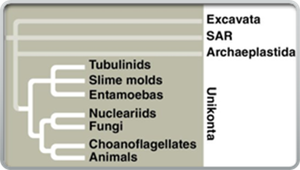
Current hypotheses divide eukaryotes into four supergroups: Excavata, SAR, Archaeplastida, and Unikonta.
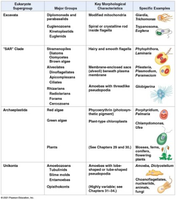
Overview Table of Eukaryotic Supergroups
Eukaryote Supergroup | Major Groups | Key Morphological Characteristics | Specific Examples |
|---|---|---|---|
Excavata | Diplomonads, Parabasalids, Euglenozoans | Modified mitochondria; spiral/crystalline rod in flagella | Giardia, Trichomonas, Euglena |
SAR | Stramenopiles, Alveolates, Rhizarians | Hairy/smooth flagella; membrane sacs; threadlike pseudopodia | Diatoms, Plasmodium, Paramecium, Foraminifera |
Archaeplastida | Red algae, Green algae, Plants | Phycoerythrin pigment; plant-type chloroplasts | Porphyra, Ulva, Land plants |
Unikonta | Amoebozoans, Opisthokonts | Lobe/tube-shaped pseudopodia; single posterior flagellum | Amoeba, Choanoflagellates, Fungi, Animals |
Excavata
Characteristics and Major Groups
Defined by a unique cytoskeleton and, in some, an "excavated" feeding groove.
Includes diplomonads, parabasalids, and euglenozoans.
Diplomonads and parabasalids have reduced mitochondria and often live in anaerobic environments.
Diplomonads
Reduced mitochondria called mitosomes (lack electron transport chains).
Derive energy from anaerobic pathways.
Two equal-sized nuclei and multiple flagella.
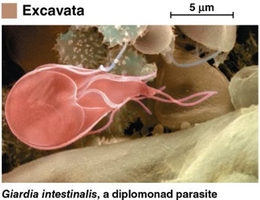
Many are parasites, e.g., Giardia intestinalis.
Parabasalids
Reduced mitochondria called hydrogenosomes (generate energy anaerobically, releasing hydrogen gas).
Best known: Trichomonas vaginalis, a sexually transmitted parasite.
Euglenozoans
Diverse clade: includes predatory heterotrophs, photosynthetic autotrophs, mixotrophs, and parasites.
Main feature: spiral or crystalline rod inside their flagella.
Includes kinetoplastids (e.g., Trypanosoma) and euglenids (e.g., Euglena).
SAR Supergroup
Stramenopiles
Includes diatoms, brown algae, and oomycetes.
Most have a "hairy" flagellum paired with a smooth one.
Diatoms
Unicellular algae with glass-like walls of silicon dioxide.
Major component of phytoplankton; influence global CO2 levels.
Brown Algae
Largest and most complex algae; mostly marine "seaweeds."
Have plantlike structures: holdfast (anchor), stipe (support), blades (photosynthesis).
Exhibit alternation of generations (haploid and diploid multicellular stages).
Alveolates
Have membrane-bound sacs (alveoli) under the plasma membrane.
Includes dinoflagellates, apicomplexans, and ciliates.
Dinoflagellates
Abundant in marine and freshwater phytoplankton.
Two flagella in grooves of cellulose plates; spinning movement.
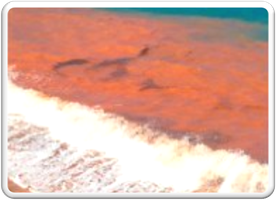
Blooms cause "red tides"—toxic events that can kill marine life.
Ciliates
Move and feed using cilia; have micronuclei and macronuclei.
Reproduce asexually by binary fission and exchange genetic material via conjugation.
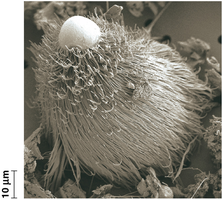
Rhizarians
Mostly amoebas with threadlike pseudopodia.
Includes radiolarians, foraminiferans (forams), and cercozoans.
Archaeplastida
Red and Green Algae
Plastids originated from cyanobacterial endosymbionts.
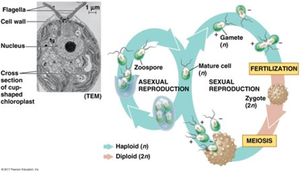
Red algae: contain phycoerythrin pigment, mostly multicellular, common in tropical oceans.
Green algae: chloroplasts similar to plants, include charophytes (closest relatives to plants) and chlorophytes.
Some green algae form colonies or true multicellular bodies.
Unikonta
Major Clades
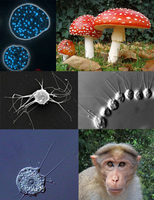
Includes amoebozoans (tubulinids, slime molds, entamoebas) and opisthokonts (fungi, animals, and related protists).
Amoebozoans have lobe- or tube-shaped pseudopodia.
Slime molds exhibit convergent evolution with fungi (spore-producing fruiting bodies).
Ecological Roles of Protists
Symbiotic Relationships
Some protists form beneficial symbioses (e.g., dinoflagellates with corals, protists in termite guts).
Others are parasitic (e.g., Plasmodium causes malaria, Pfiesteria attacks fish).
Photosynthetic Protists as Producers
Photosynthetic protists are major producers in aquatic ecosystems, converting CO2 to organic compounds.
Population booms (blooms) can create ecological imbalances, such as marine "dead zones."
Global warming threatens phytoplankton productivity by reducing nutrient upwelling.
Summary Table: Key Features of Protist Supergroups
Supergroup | Key Features | Representative Organisms |
|---|---|---|
Excavata | Feeding groove, modified mitochondria, unique flagella | Giardia, Euglena |
SAR | Hairy/smooth flagella, alveoli, threadlike pseudopodia | Diatoms, Plasmodium, Paramecium, Forams |
Archaeplastida | Chloroplasts from primary endosymbiosis | Red algae, Green algae, Land plants |
Unikonta | Lobe/tube-shaped pseudopodia, single posterior flagellum | Amoeba, Fungi, Animals |
