 Back
BackL7 Biodiversity
Study Guide - Smart Notes
 Tailored notes based on your materials, expanded with key definitions, examples, and context.
Protists: The First Eukaryotes
Overview of Protists
Protists are a diverse group of eukaryotic organisms that are not classified as plants, animals, or fungi. They can be unicellular or multicellular and inhabit a wide range of moist or aquatic environments. Their diversity in structure, function, and ecological roles makes them a key group for understanding eukaryotic evolution and biology.
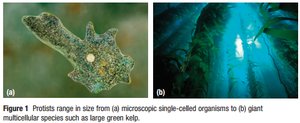
Unicellular and Multicellular: Protists range from microscopic single-celled organisms to large multicellular species such as kelp.
Eukaryotic: All protists have cells with a nucleus and membrane-bound organelles.
Reproduction: Mainly asexual (binary fission, spores), but some reproduce sexually.
Habitats: Mostly aquatic, but some are terrestrial (e.g., in soil).
The Six Kingdoms of Life
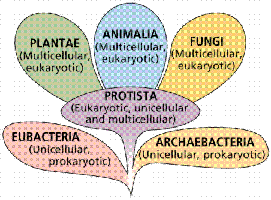
The six-kingdom classification system places protists as a distinct group among eukaryotes, separate from plants, animals, and fungi.
Kingdoms: Plantae, Animalia, Fungi, Protista, Eubacteria, Archaebacteria
Protista: Eukaryotic, unicellular and multicellular organisms
General Characteristics of Protists
Diversity and Structure
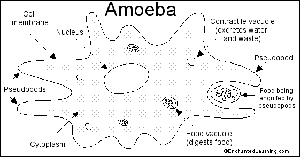
Cellularity: Unicellular (e.g., amoeba) or multicellular (e.g., kelp)
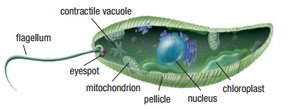
Cell Features: Vary in organelles, locomotion (cilia, flagella, pseudopodia), and cell walls
Nutrition: Autotrophic (photosynthetic) or heterotrophic (consume other organisms or dead matter)
Reproduction: Asexual (binary fission, spores) and sexual (conjugation, alternation of generations)
Ecological and Economic Importance of Protists
Roles in Ecosystems
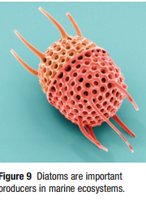
Primary Producers: Photosynthetic protists (e.g., diatoms, algae) form the base of aquatic food chains and produce much of the world's oxygen.
Consumers: Non-photosynthetic protists are important consumers at the microscopic level.
Symbiosis: Some protists live symbiotically within animals, aiding in digestion or other functions.
Economic Uses
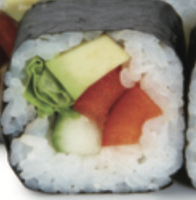
Food: Seaweed (e.g., nori) is used in sushi.
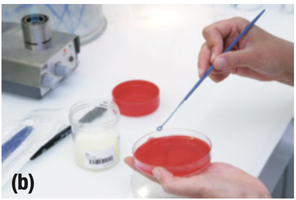
Industrial: Agar (from red algae) is used as a medium for growing bacteria in laboratories.
Harmful Protists
Parasitism: Many protists are parasites, causing diseases in humans and animals.
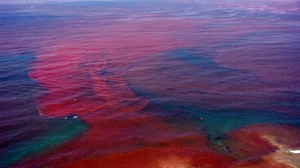
Red Tide: Blooms of red algae produce toxins that can kill fish and poison humans who eat contaminated shellfish.
Diseases:
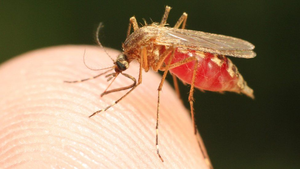
Malaria: Caused by Plasmodium, transmitted by mosquitoes; symptoms include high fever, chills, and can be fatal.
Giardiasis (Beaver Fever): Caused by Giardia lamblia, leads to abdominal pain and diarrhea.
Evolutionary Origins of Protists and Eukaryotes
Endosymbiotic Theory
The origin of mitochondria and chloroplasts in eukaryotic cells is explained by the endosymbiotic theory. This theory proposes that these organelles originated as free-living prokaryotes that were engulfed by ancestral eukaryotic cells.
Double Membranes: Both mitochondria and chloroplasts have inner and outer membranes.
Own DNA: They contain their own circular DNA, similar to prokaryotes.
Independent Division: Reproduce by binary fission within the host cell.
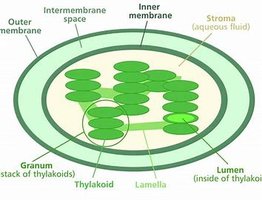
Mutual Benefits: Mitochondria provided excess energy to the host cell, while chloroplasts enabled photosynthesis, benefiting both partners.
Classification and Major Groups of Protists
Three Main Groups of Protists
Plant-like Protists (Algae):
Mostly multicellular, aquatic, contain chlorophyll, and perform photosynthesis (autotrophic).
Examples: Diatoms, green algae, red algae (edible seaweed), kelp.
Some have flagella for movement.
Economic uses: Carrageenan (thickening agent) from red algae.
Animal-like Protists (Protozoa):
Heterotrophic, feed on other organisms or dead matter.
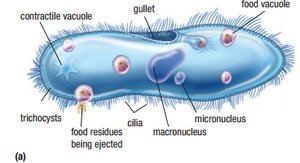
Examples: Amoeba (pseudopodia), Paramecium (cilia), Trypanosoma (flagella).
Lack cell walls, most are motile.
Many are parasitic (e.g., Plasmodium causes malaria, Trypanosoma causes African sleeping sickness).
Fungi-like Protists:
Slime moulds and water moulds; heterotrophic, feed on dead matter or as parasites.
Unicellular or multicellular, reproduce with spores.
Cell walls lack chitin (unlike true fungi).
Life Cycles of Protists
Reproduction
Single-Celled Protists:
Asexual reproduction by binary fission.
Sexual reproduction by conjugation (exchange of genetic material).
Multicellular Protists:
Sexual reproduction involves gametes (egg and sperm), forming a diploid zygote.
Alternation of generations: Diploid individuals produce spores that create haploid individuals; haploid individuals reproduce sexually to complete the cycle.
Summary Table: Main Groups of Protists
Group | Nutrition | Motility | Examples | Key Features |
|---|---|---|---|---|
Plant-like (Algae) | Autotrophic (photosynthesis) | Flagella (some), non-motile (others) | Diatoms, Green Algae, Kelp | Chlorophyll, aquatic, multicellular or unicellular |
Animal-like (Protozoa) | Heterotrophic | Pseudopodia, cilia, flagella | Amoeba, Paramecium, Trypanosoma | No cell wall, motile, some parasitic |
Fungi-like | Heterotrophic (decomposers, parasites) | Non-motile (spores), some motile stages | Slime moulds, Water moulds | Cell walls lack chitin, spore reproduction |
Key Terms and Concepts
Endosymbiosis: Symbiotic relationship where one organism lives inside another; explains origin of mitochondria and chloroplasts.
Alternation of Generations: Life cycle with alternating haploid and diploid stages.
Photosynthetic Protists: Major producers in aquatic ecosystems, crucial for oxygen production.
Parasitic Protists: Cause diseases such as malaria and giardiasis.
Sample Homework Questions
What is the main classification characteristic for protists?
Why are protists important?
What is unique about mitochondria and chloroplasts?
What are the three main groups of protists?
Name one disease caused by a protist and describe its effects.
What does endosymbiosis explain?
