Back
BackProtists: Diversity, Structure, Function, and Importance
Study Guide - Smart Notes
 Tailored notes based on your materials, expanded with key definitions, examples, and context.
Protists: An Overview
Definition and Diversity
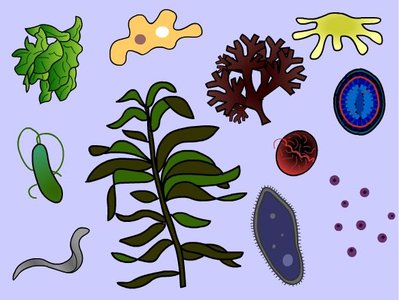
Protists are a diverse group of eukaryotic organisms that do not fit into the traditional kingdoms of plants, animals, or fungi. They are often referred to as the "junk drawer" of eukaryotes due to their varied characteristics and evolutionary relationships. Modern phylogenetic studies reveal that protists are not a single clade but consist of multiple evolutionary lineages, some of which are more closely related to plants, fungi, or animals than to other protists.
Eukaryotic: Possess membrane-bound organelles and a true nucleus.
Phylogeny: Protist classification is tentative and under revision as molecular data accumulates.
Examples: Amoebas, algae, paramecia, slime molds.
Nutrition in Protists
Modes of Nutrition
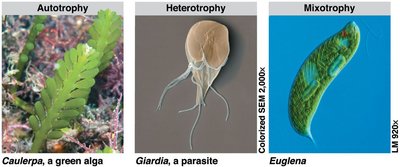
Protists exhibit a wide range of nutritional strategies, including autotrophy, heterotrophy, parasitism, and mixotrophy. This diversity allows them to inhabit various ecological niches.
Autotrophs (Algae): Produce their own food via photosynthesis. Many are multicellular, such as green algae.
Heterotrophs (Protozoa): Obtain food by ingesting other organisms or absorbing organic molecules. Some are fungus-like.
Parasites: Derive nutrition from living hosts, often causing harm (e.g., Giardia).
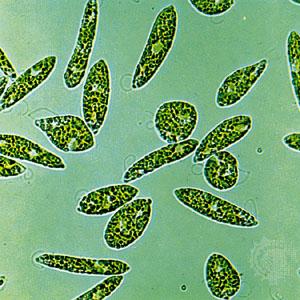
Mixotrophs: Capable of both photosynthesis and heterotrophy, depending on environmental conditions (e.g., Euglena).
Mode | Example | Description |
|---|---|---|
Autotrophy | Caulerpa | Photosynthetic green alga |
Heterotrophy | Giardia | Parasitic protozoan |
Mixotrophy | Euglena | Switches between autotrophy and heterotrophy |
Habitats of Protists
Environmental Diversity
Protists are found in a wide variety of habitats, reflecting their adaptability and ecological importance.
Aquatic: Freshwater and marine environments (e.g., planktonic algae).
Moist terrestrial: Damp soil, leaf litter.
Symbiotic/Parasitic: Inside the bodies of hosts, such as the intestinal tract of termites.
Structural Complexity
Unicellular, Multicellular, and Colonial Forms
Protists display a range of organizational complexity, from single-celled organisms to large multicellular forms.
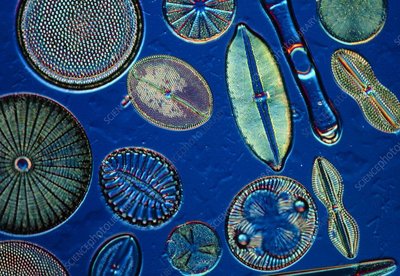
Unicellular: Most protists, including amoebas, paramecia, and diatoms.
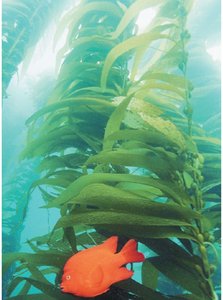
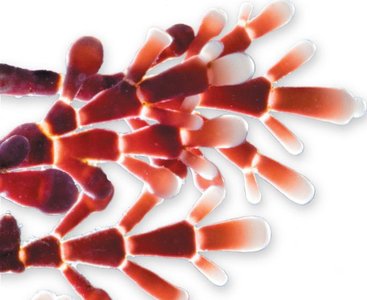
Multicellular: Some algae, such as green, brown (kelp), and red algae.
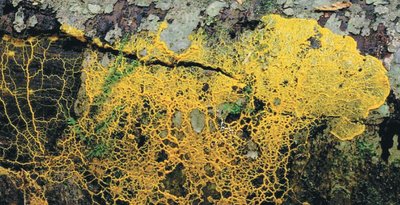
Plasmodial: Slime molds form multinucleate masses of cytoplasm.
Locomotion in Protists
Mechanisms of Movement
Protists have evolved various methods of locomotion to navigate their environments.
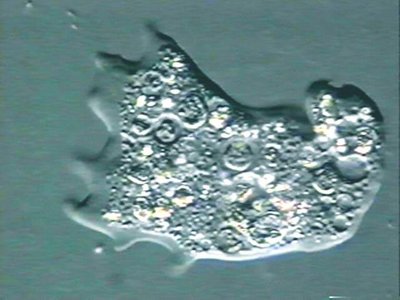
Amoeboid movement: Use of pseudopodia (cytoplasmic extensions) for movement (e.g., amoebas).
Cilia and Flagella: Specialized organelles for movement in ciliates and flagellates.
Passive movement: Dispersal by wind, water, or other organisms; some form spores.
Reproduction in Protists
Asexual and Sexual Processes
Protists reproduce through a variety of mechanisms, contributing to their evolutionary success.
Asexual reproduction: Mitosis produces genetically identical daughter cells.
Conjugation: Exchange of genetic material between two protists (e.g., paramecia).
Sexual reproduction: Complex life cycles, often involving alternation of generations.
Disease-Causing Protists
Pathogenic Protists and Human Health
Several protists are important human pathogens, causing diseases through various modes of transmission.
Parasite Name | Mode of Transmission | Symptoms |
|---|---|---|
Giardia intestinalis | Waterborne (contaminated water) | Severe diarrhea |
Trichomonas vaginalis | Sexually transmitted | Infects reproductive tract |
Trypanosoma | Insect vector (tsetse fly) | Sleeping sickness, fatal |
Plasmodium (malaria) | Mosquitoes | Fever, chills, kidney failure, brain damage, death |
Entamoeba histolytica | Contaminated food & water | Bloody diarrhea |
Dinoflagellates (red tide) | Shellfish toxins | Illness |
Useful Protists
Ecological and Economic Importance
Protists play vital roles in ecosystems and have significant economic applications.
Endosymbionts: Protists in termite guts digest cellulose, enabling wood digestion.
Base of food chains: Photosynthetic protists (e.g., diatoms, algae) support aquatic ecosystems.
Diatomaceous earth: Fossilized diatoms used as filtering and polishing agents.
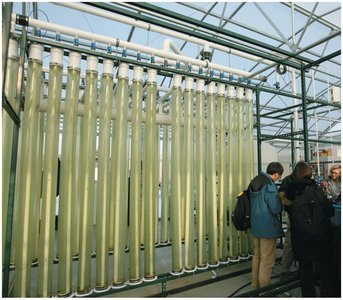
Biofuels: Algae are being researched as renewable energy sources.
Red algae: Contribute to coral reefs, produce commercial products (carrageenan, agar, nori).
Evolutionary Relationships
Protists and the Evolution of Plants, Fungi, and Animals
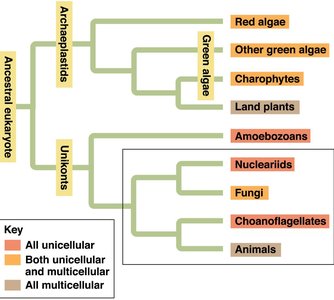
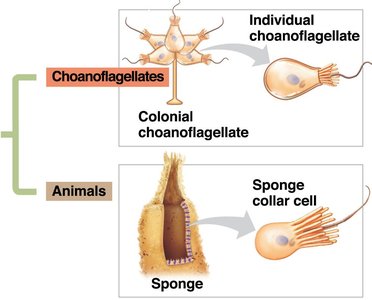
Protists are central to understanding the evolutionary origins of major eukaryotic groups. Phylogenetic studies suggest that certain protists are closely related to the ancestors of plants, fungi, and animals.
Choanoflagellates: The closest living protist relatives to animals.
Red and green algae: Ancestors of land plants.
Representative Protists
Examples of Common Protists
Amoeba: Moves using pseudopodia; feeds by phagocytosis.
Paramecium: Ciliate with a characteristic slipper shape.
Euglena: Mixotrophic flagellate.
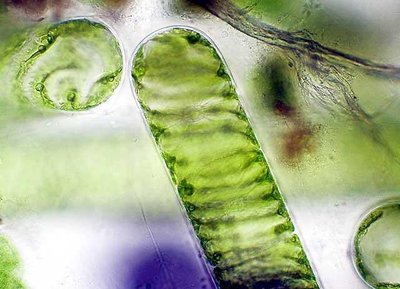
Spirogyra: Filamentous green alga with spiral chloroplasts.
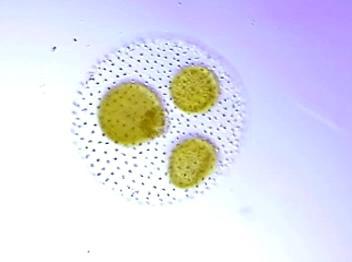
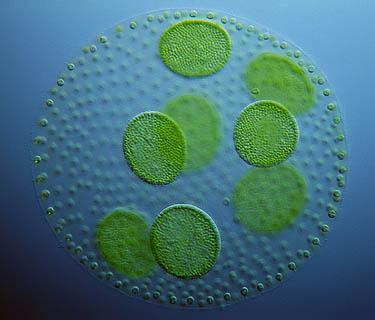
Volvox: Colonial green alga.
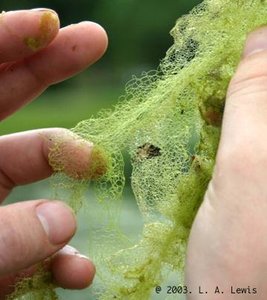
Hydrodictyon: Net-like green alga.
Fungus-like Protists: Slime Molds
Characteristics and Behavior
Slime molds are fungus-like protists that exhibit remarkable behaviors, such as forming large, multinucleate plasmodia and demonstrating complex movement and feeding strategies. They play important roles in decomposition and nutrient cycling in ecosystems.