 Back
Protists: Structure, Diversity, and Ecological Roles
Study Guide - Smart Notes
 Tailored notes based on your materials, expanded with key definitions, examples, and context.
Protists: Structure, Diversity, and Ecological Roles
Overview of Protists
Protists are a diverse group of eukaryotic microorganisms that play essential roles in aquatic and terrestrial ecosystems. They exhibit a wide range of structural adaptations and life strategies, including photosynthesis, heterotrophy, and symbiosis. - Key Point 1: Protists include algae, protozoa, and slime molds, and are often classified by their mode of nutrition and movement. - Key Point 2: Many protists are unicellular, but some form colonies or multicellular structures.
Flagella and Motility in Protists
Flagella are whip-like appendages used by many protists for locomotion. The structure and function of flagella can vary, with some being smooth and others covered in hair-like projections. - Key Point 1: Smooth flagella are typically used for propulsion in aquatic environments. - Key Point 2: Hairy flagella (also called straminopile flagella) have fine hairs that increase surface area and efficiency in movement. - Example: Straminopiles, such as diatoms and brown algae, possess hairy flagella. 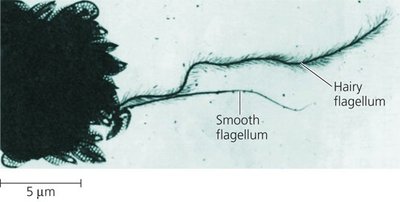
Diatoms: Structure and Diversity
Diatoms are a major group of photosynthetic protists characterized by their intricate silica cell walls, known as frustules. They are important primary producers in aquatic ecosystems. - Key Point 1: Diatom frustules exhibit a wide variety of shapes and patterns, aiding in identification and classification. - Key Point 2: Diatoms reproduce both sexually and asexually, contributing to their ecological success. - Example: Diatoms are responsible for a significant portion of global oxygen production. 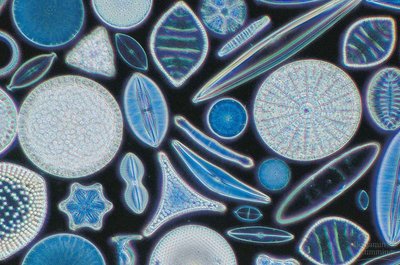
Diatom Colonies and Life Cycle
Some diatoms form colonies, which can enhance their survival and ecological impact. Colonies may be arranged in specific patterns, such as chains or clusters. - Key Point 1: Colonial diatoms can resist predation and increase buoyancy. - Key Point 2: The life cycle of diatoms includes both vegetative cell division and sexual reproduction. 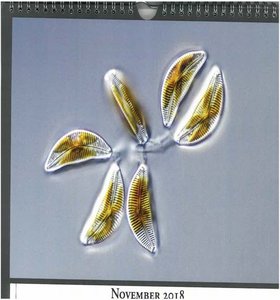
Diatom Cell Wall Structure
The diatom cell wall, or frustule, consists of two overlapping halves: the epivalve and hypovalve. Girdle bands connect these halves and allow for expansion during growth. - Key Point 1: Epivalve is the larger, upper half; hypovalve is the lower half. - Key Point 2: Girdle bands (gb) are silica strips that encircle the cell and facilitate cell division. - Example: The unique structure of diatom frustules is used in paleontology to reconstruct past environments. 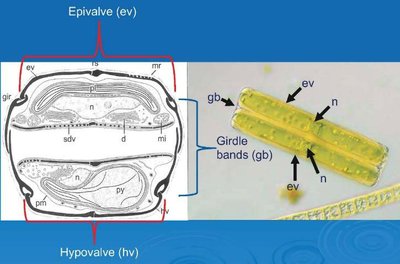
Other Photosynthetic Protists: Euglenoids and Brown Algae
Photosynthetic protists include groups such as euglenoids and brown algae, which have distinct adaptations for light capture and energy storage. - Key Point 1: Euglenoids possess flexible cell surfaces and can switch between autotrophy and heterotrophy. - Key Point 2: Brown algae (e.g., Dictyota, Macrocystis) are multicellular and form large seaweeds in marine environments. 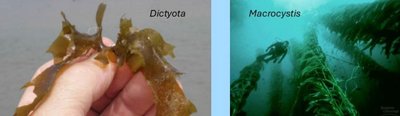
Oomycetes: Water Molds and Plant Pathogens
Oomycetes are fungus-like protists that include water molds and plant pathogens such as mildew. They are important decomposers and can cause diseases in plants and animals. - Key Point 1: Oomycetes have filamentous growth and produce spores for reproduction. - Key Point 2: Some oomycetes are responsible for agricultural diseases, such as potato blight. 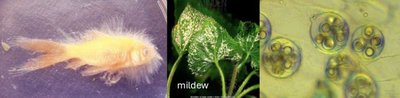
Dinoflagellates: Structure and Ecological Roles
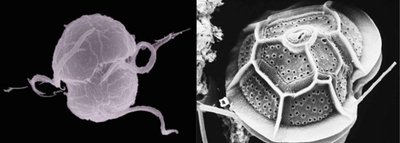
Dinoflagellates are protists with two flagella and complex cell coverings. They are important components of marine plankton and can cause harmful algal blooms. - Key Point 1: Dinoflagellates have a cellulose-based armor called theca. - Key Point 2: Some dinoflagellates are bioluminescent or produce toxins affecting marine life. 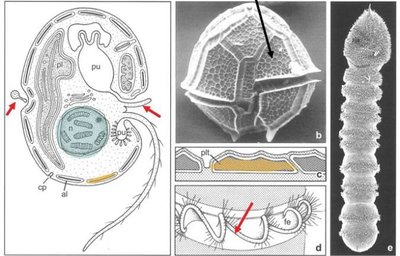
Apicomplexans: Parasitic Protists
Apicomplexans are a group of parasitic protists, including the malaria-causing Plasmodium. They have specialized structures for host invasion and complex life cycles. - Key Point 1: The apical complex is used to penetrate host cells. - Key Point 2: Life cycle involves both sexual and asexual stages, often in multiple hosts. - Example: Plasmodium species cause malaria in humans and are transmitted by mosquitoes. 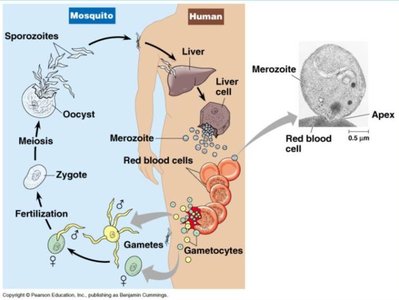
Ciliates: Structure and Feeding
Ciliates are protists characterized by the presence of cilia, which are used for movement and feeding. They have complex cell structures and can exhibit predatory behavior. - Key Point 1: Ciliates possess specialized organelles such as contractile vacuoles and oral grooves. - Key Point 2: Some ciliates are capable of ingesting other protists or even members of their own species. 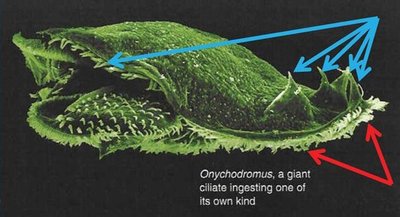
Summary Table: Major Protist Groups
Group | Key Features | Ecological Role |
|---|---|---|
Diatoms | Silica frustules, photosynthetic | Primary producers |
Brown Algae | Multicellular, large seaweeds | Habitat formation, photosynthesis |
Oomycetes | Filamentous, spore-producing | Decomposers, plant pathogens |
Dinoflagellates | Cellulose armor, two flagella | Plankton, algal blooms |
Apicomplexans | Apical complex, parasitic | Pathogens (e.g., malaria) |
Ciliates | Cilia, complex cell structure | Predators, decomposers |
Additional info: These notes expand on the structural and ecological diversity of protists, providing context for their roles in biology and environmental science.
