 Back
BackProtocols and Techniques in Plant Gene Editing and Molecular Biology
Study Guide - Smart Notes
 Tailored notes based on your materials, expanded with key definitions, examples, and context.
Agrobacterium-Mediated Transformation and Gene Expression in Plants
Agrobacterium Transient Transformation Assay (ATTA)
The Agrobacterium transient transformation assay (ATTA) is a widely used method for introducing foreign genes into plant cells, allowing for the temporary expression of transgenes. This protocol is essential for studying gene function, protein localization, and promoter activity in plants.
Key Materials: LBA medium, MES buffer, acetosyringone, antibiotics (e.g., rifampicin, gentamicin, kanamycin, spectinomycin), infiltration media, sterile tubes, syringes, and Agrobacterium tumefaciens strains carrying the desired construct.
Procedure Overview:
Grow starter and large cultures of Agrobacterium with appropriate antibiotics.
Prepare infiltration medium and adjust bacterial density (OD600 between 0.6–2.0, ideally 0.8).
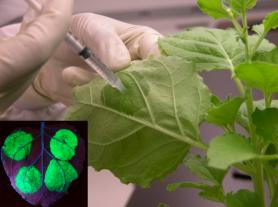
Resuspend bacteria in infiltration medium and infiltrate plant leaves using a needleless syringe.
Mark infiltrated areas and incubate plants for 2–5 days to allow gene expression.
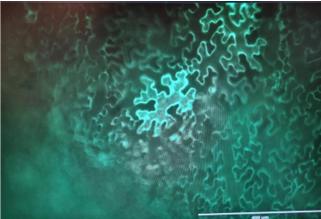
Detect expression (e.g., GFP fluorescence under blue/UV light).
Applications: Rapid assessment of gene function, protein localization, and promoter activity in plant research.
Polymerase Chain Reaction (PCR) and Colony PCR
Principles and Protocols
PCR is a technique used to amplify specific DNA sequences. Colony PCR allows for rapid screening of bacterial colonies for the presence of recombinant plasmids.
Key Components: Template DNA (plasmid, genomic, or bacterial cells), primers, dNTPs, buffer, DNA polymerase (e.g., DreamTaq).
Standard Reaction Setup (25 µL):
1 µL forward primer (1 µM final)
1 µL reverse primer (1 µM final)
2 µL dNTPs (2.5 mM stock)
5 µL 5x buffer
0.2 µL DreamTaq polymerase (1 U)
Template DNA (variable)
Molecular-grade water to 25 µL
Typical PCR Program:
Initial denaturation: 94°C, 2 min (7 min for colony PCR)
Denaturation: 94°C, 30 sec
Annealing: (calculate temperature), 30 sec
Extension: 72°C, 30–180 sec (depends on product size)
Repeat steps 2–4 for 35 cycles
Final extension: 72°C, 5 min
Hold: 12°C
Controls: Always include positive and negative controls to validate results.
DNA Isolation from Plant Tissue
Quick and Dirty Plant DNA Extraction
This protocol enables rapid extraction of genomic DNA from plant tissues for downstream applications such as PCR.
Key Steps:
Harvest fresh leaf tissue and grind in extraction buffer (EXB).
Incubate at 60°C for 1 hour, centrifuge, and transfer supernatant.
Precipitate DNA with ammonium acetate and isopropanol, wash with ethanol, and air-dry.
Resuspend DNA in elution buffer and quantify using a spectrophotometer (e.g., Nanodrop).
Applications: Suitable for PCR, restriction analysis, and sequencing.
Electroporation of Agrobacterium
Transformation Protocol
Electroporation is used to introduce plasmid DNA into Agrobacterium tumefaciens cells, which are then used for plant transformation.
Key Steps:
Thaw competent Agrobacterium cells on ice.
Add plasmid DNA and incubate on ice.
Electroporate cells and immediately add SOC medium.
Incubate for recovery, then plate on selective media with appropriate antibiotics.
Incubate plates at 28°C for 1–3 days.
Antibiotic Selection: Use antibiotics such as rifampicin, kanamycin, gentamicin, and spectinomycin for selection.
Gel/PCR Cleanup
PCR Product Purification
PCR and gel cleanup are essential for removing primers, nucleotides, and enzymes from PCR products before sequencing or cloning. Commercial kits (e.g., Wizard SV Gel and PCR Clean-Up System) are commonly used.
Bacterial Culture Techniques
Overnight Cultures
Bacterial overnight cultures are grown to amplify plasmid DNA or prepare cells for transformation.
Grow bacteria in LB(A) medium with appropriate antibiotics at 28°C (for Agrobacterium) or 37°C (for E. coli), shaking at 150 rpm for 16–24 hours.
Use cultures for miniprep, transformation, or further experiments.
PCR Fragment Sequencing
Sample Preparation for Sequencing
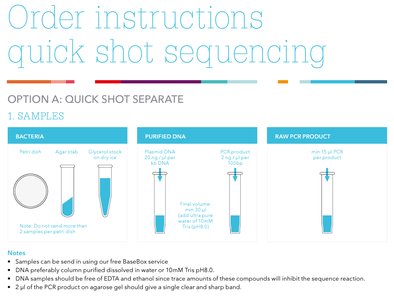
DNA samples for sequencing must be purified and free of contaminants. The sequencing process involves sending purified DNA, PCR products, or bacterial cultures to a sequencing facility.
Post-Transformation Screening and Colony Management
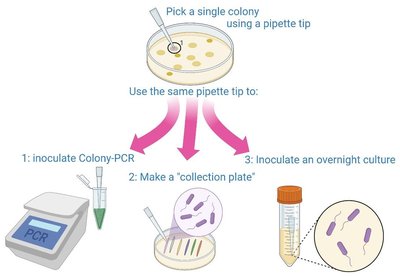
Three-Step Colony Screening
After transformation, colonies are screened to identify those containing the desired construct. A three-step approach ensures efficient selection and preservation of positive clones.
Pick colonies and use the same pipette tip to:
Inoculate colony PCR for screening.
Streak on a collection plate for pure culture.
Inoculate an overnight culture for plasmid preparation.
This method ensures that positive clones are not lost and can be further analyzed or stored.
Rapid Boiling Miniprep Protocol
Plasmid DNA Isolation from Bacteria
The rapid boiling miniprep protocol allows for quick isolation of plasmid DNA from bacterial cultures for downstream applications such as restriction analysis or sequencing.
Cells are lysed using a sucrose/Tween/EDTA buffer with lysozyme and RNAse, followed by heat treatment.
DNA is purified by isopropanol/ammonium acetate precipitation and ethanol washing.
DNA concentration is measured using a spectrophotometer.
Restriction Analysis of Plasmids
Verification of Recombinant Plasmids
Restriction analysis is used to confirm the presence and orientation of inserts in plasmids. Specific restriction enzymes are chosen based on their recognition sites and optimal reaction conditions.
Always include positive and negative controls.
Check enzyme requirements (e.g., BSA addition, buffer compatibility).
Bioinformatics: Reverse BLAST Search and CRISPR Off-Target Analysis
sgRNA Sequence Analysis
Bioinformatics tools such as Cas-OFFinder and BLAST are used to analyze sgRNA sequences for off-target effects and to identify gene targets in the genome.
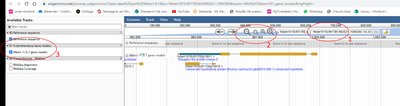
Input sgRNA sequence into Cas-OFFinder using the appropriate genome reference (e.g., Nicotiana benthamiana).
Use genome browsers (e.g., JBrowse) to locate sgRNA binding sites and annotated gene models.
Download gene sequences for further analysis or BLAST search on NCBI.
SDS-PAGE and Western Blotting
Protein Separation and Detection
SDS-PAGE (sodium dodecyl sulfate-polyacrylamide gel electrophoresis) separates proteins by size, while Western blotting transfers proteins to a membrane for detection using specific antibodies.
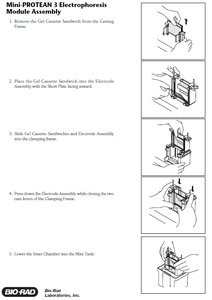
SDS-PAGE: Proteins are denatured and loaded onto a polyacrylamide gel. An electric field separates proteins based on molecular weight.
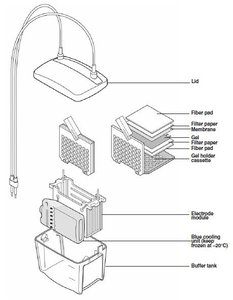
Western Blotting: Proteins are transferred to a nitrocellulose or PVDF membrane. The membrane is blocked, incubated with primary and secondary antibodies, and developed to visualize the target protein.
Applications: Detection and quantification of specific proteins, verification of gene expression, and analysis of protein modifications.
Summary Table: Key Protocols and Their Purposes
Protocol | Main Purpose | Key Application |
|---|---|---|
ATTA (Agrobacterium Transient Transformation Assay) | Gene delivery to plant cells | Transient gene expression, functional genomics |
Colony PCR | Screening bacterial colonies | Identification of recombinant clones |
DNA Isolation (Plant) | Extracting genomic DNA | PCR, sequencing, cloning |
Electroporation | Transformation of Agrobacterium | Preparation for plant transformation |
Miniprep | Plasmid DNA isolation | Restriction analysis, sequencing |
Restriction Analysis | Verification of plasmid constructs | Cloning validation |
SDS-PAGE & Western Blot | Protein separation and detection | Protein expression analysis |
Additional info: These protocols are foundational for molecular biology and plant biotechnology, supporting research in gene function, genetic engineering, and protein analysis. They align with topics such as gene expression, DNA tools and biotechnology, and molecular basis of inheritance.
